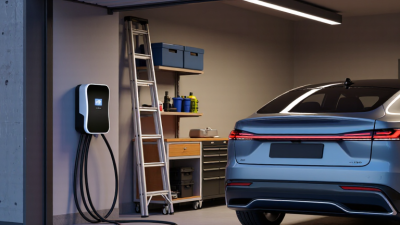
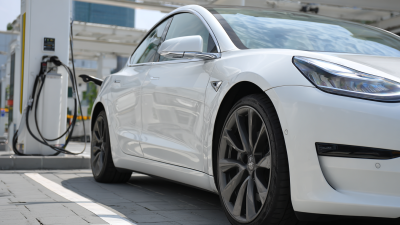
Top 10 Home Car Chargers Which One Is Best?
Home charging is often the quiet convenience that makes electric driving practical: plug in after dinner, wake up ready. The U.S. Department of Energy’s Alternative Fuels Data Center says most EV drivers charge at home. That makes choosing a reliable Home Car Charger more than a spec-sheet exercise. Cable reach, connector fit, electrical capacity, and everyday charging habits matter in a real garage.
The International Energy Agency’s Global EV Outlook 2024 reports nearly 14 million electric cars sold worldwide in 2023, about 18% of new car sales. More EVs mean more households weighing charger options. Tom Moloughney, an EV charging specialist and host of State of Charge, has emphasized matching charging equipment to the vehicle and the home’s electrical setup. In paraphrase: choose for your real charging needs, not the biggest number on the box. That distinction matters. A high-power unit may offer little benefit if your car cannot use it or your home circuit cannot support it.
This Top 10 guide compares chargers by compatibility, charging rate, cable length, smart features, warranty, and safety certifications. A charger with a tidy app still needs sound installation. A long cable can be useful, but it should not become a trip hazard across the garage floor. Not every household needs the same model. The best choice depends on your vehicle, parking layout, and how much charging you need overnight. We’ll highlight trade-offs, too, because no product is perfect—and a polished feature list is not proof of long-term reliability.
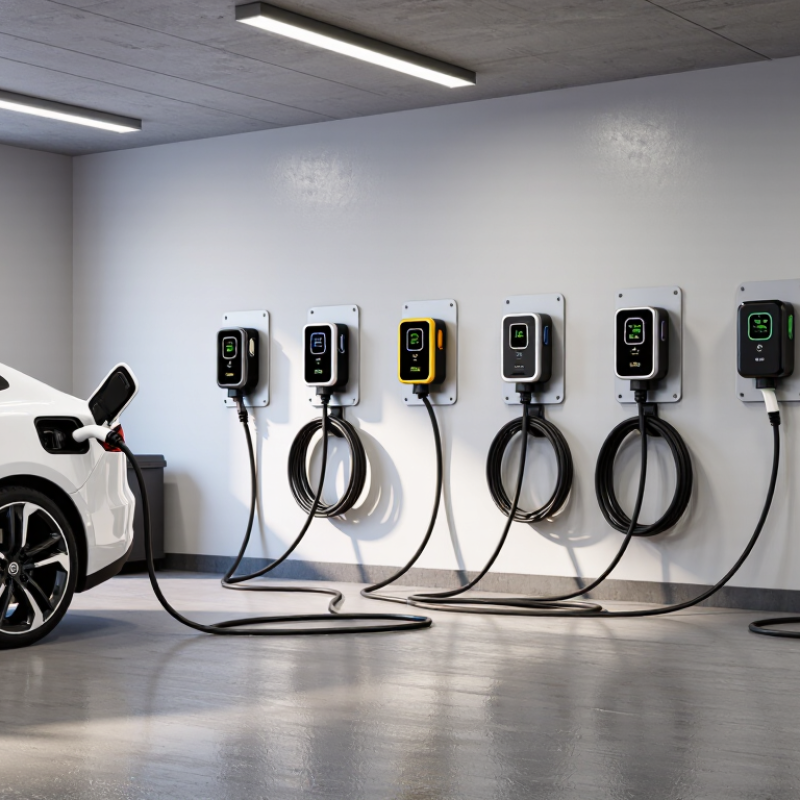
Home EVSE Basics: SAE J1772 AC Level 2 Uses 208–240 V
A home EVSE is not just a cable with a screen. SAE J1772 describes the familiar AC charging connection, while Level 2 equipment uses a 208–240-volt supply. In a house, that usually means a dedicated circuit and suitable wiring. The U.S. Department of Energy’s Alternative Fuels Data Center estimates Level 2 charging can add roughly 10–20 miles of driving range per hour. Actual results vary with vehicle limits, temperature, and charging power.
That range is useful, not guaranteed. A car parked overnight may need only a few hours to replace a day’s driving, but a cold battery can charge more slowly. The DOE guidance gives a practical benchmark; it does not predict every driveway. A professional installer should check the panel capacity, cable route, and outlet or hardwired connection before choosing an EVSE. A narrow garage matters, too. A stiff cable can be awkward to handle in winter.
For a “top 10” comparison, look beyond advertised speed. Check adjustable current, cable length, weather protection, and clear fault indicators. SAE J1772 compatibility helps many drivers, but the vehicle’s inlet and onboard charger still set limits. One detail is easy to overlook: 208 volts and 240 volts are both Level 2, yet they may deliver different charging rates. I would not choose by the highest number alone. That is tempting, but incomplete.
Charging Power Explained: 32–48 A Units Deliver About 7.7–11.5 kW
A home charger’s amp rating is only part of the story. At 240 volts, 32 amps provides about 7.7 kW, while 48 amps provides about 11.5 kW. The actual output can vary with supply voltage and installation conditions. Your vehicle’s onboard charger may also limit how much power it accepts. More amperage does not always mean faster charging.
For a driver returning home with a partly depleted battery, either unit may add useful range overnight. A 48-amp charger can help when daily driving is heavy, but it generally needs a circuit designed for its load. A qualified electrician should check the panel, wiring, and installation location before you choose. Do not judge suitability by the charger’s rating alone. That detail is easy to miss.
Think about the practical setup, too: cable length, where the car parks, and whether household power use changes through the day. A lower-rated unit may fit a modest routine and avoid unnecessary electrical upgrades. Still, estimates are not guarantees; cold weather, battery limits, and charging losses can reduce real-world results. The best choice depends on your car, home wiring, and habits.
Compare 10 Home Chargers by Output, Connector, Smart Features, and Warranty
Comparing ten home chargers means looking beyond the highest output figure. A unit rated for more power may charge faster, but only when the home circuit and vehicle support it. Check each charger’s kilowatt rating, then confirm whether installation requires an electrical upgrade. That detail can change the real cost.
Connector fit comes next. Match the plug to your vehicle, and consider whether a tethered cable is convenient in a cold or cramped garage. Smart features also differ: some chargers offer scheduled charging, usage records, or app controls, while simpler models keep setup straightforward. Fewer settings can be a relief. Compare warranty length, covered parts, and exclusions rather than relying on the headline term. Some warranties may not cover cable wear or installation issues. A small-print detail, but an important one.
For a fair comparison, rank all ten options by output, connector compatibility, smart controls, and warranty support. Note which features you will actually use. App-based energy tracking sounds useful, though I would want clear records before trusting it for household budgeting. The best fit depends on your car, wiring, and daily routine—not just a feature list.
Installation Safety: NEC Rules Size EV Circuits at 125% of Continuous Load
A home car charger may look simple, but its circuit must be sized for hours of steady demand. Under NEC rules, EV charging is generally treated as a continuous load, so the branch circuit is sized at 125% of the charger’s rated current. For example, a charger drawing 32 amps continuously needs a circuit rated for at least 40 amps. A 48-amp unit typically calls for a 60-amp circuit. Small numbers, serious consequences.
That calculation is only the starting point. The electrician must also verify conductor ampacity, breaker compatibility, terminal temperature ratings, wiring method, and the home’s available electrical capacity. A panel that appears to have open spaces may still lack enough load capacity. The charger’s current setting must match the installed circuit; turning it up later can create an unsafe overload. This is easy to overlook.
NEC editions and local adoption vary, so a qualified electrician should check the rules enforced by the local authority before installation. Ask for the circuit rating, wire size, and permitted charging current in writing. It may feel overly cautious, but a neat wall-mounted charger tells you nothing about the wiring behind it. I would not judge an installation by appearance alone.
Home EV Charger Circuit Sizing: The 125% Rule
EV charging is treated as a continuous load. Under the applicable NEC requirements, circuit capacity must be at least 125% of the EVSE's rated load. This chart shows the maximum continuous charging current for common circuit ratings.
Values are calculated as circuit rating ÷ 1.25 (80% of circuit rating). Actual installation requirements depend on the adopted NEC edition, equipment instructions, and local authority having jurisdiction.
Find the Best Charger for Your Vehicle, Circuit Capacity, and Daily Driving Needs
Top 10 Home Car Chargers: Which One Is Best?
The best home charger is not always the fastest one. Match its output to your vehicle’s onboard charger, your daily mileage, and the circuit available in your garage. The U.S. Department of Energy’s Alternative Fuels Data Center says Level 2 equipment typically adds about 10–20 miles of range per hour. That range depends on the car and charging conditions, so treat it as a guide, not a promise. A modest commute may not need maximum power.
Check the circuit before comparing features. A charger’s advertised output is useful only if your electrical panel and wiring can support it. Ask a licensed electrician to assess capacity and installation needs; an older panel may change the cost or the practical choice. I’d also compare cable reach, weather rating for outdoor installation, and scheduling controls. These details matter on a rainy evening, when a short cable can become an everyday annoyance.
Tips: Estimate your typical daily miles, then choose a charger that can replace that energy overnight. Confirm the vehicle’s maximum AC charging rate and the circuit’s capacity before buying. Leave some headroom; the perfect setup on paper may not fit an older home.