Why Choose a Home Car Charging Station?
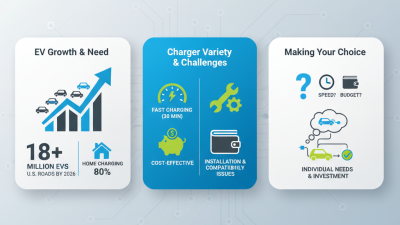
A Home Car Charging Station can turn an ordinary parking space into a practical part of daily life. Plug in after work, then wake to a charged vehicle instead of planning a detour. The International Energy Agency’s Global EV Outlook 2024 reports that electric car sales exceeded 14 million worldwide in 2023, reaching about 18% of new car sales. As electric vehicles become more common, convenient charging at home matters to more drivers.
For many households, charging overnight can reduce reliance on public stations and make energy costs easier to manage. The U.S. Department of Energy’s Alternative Fuels Data Center notes that Level 2 chargers, commonly installed at homes, can add roughly 10 to 20 miles of range per hour. That can be enough for routine commuting. A cable beside the garage wall may be less exciting than a new car, but it can make ownership feel simpler.
There are trade-offs. Installation may require electrical work, and the best setup depends on the home’s wiring, parking arrangement, vehicle, and local electricity rates. Charging savings are not automatic; tariffs and installation costs matter. A home charger also cannot solve every long-distance charging need. Still, matching the equipment to real driving habits is a sensible starting point. This guide explains why a Home Car Charging Station may be worthwhile, what to consider before installation, and where expectations should stay realistic.
Home Charging Basics: DOE Rates Level 2 at 10–30 Miles of Range per Hour
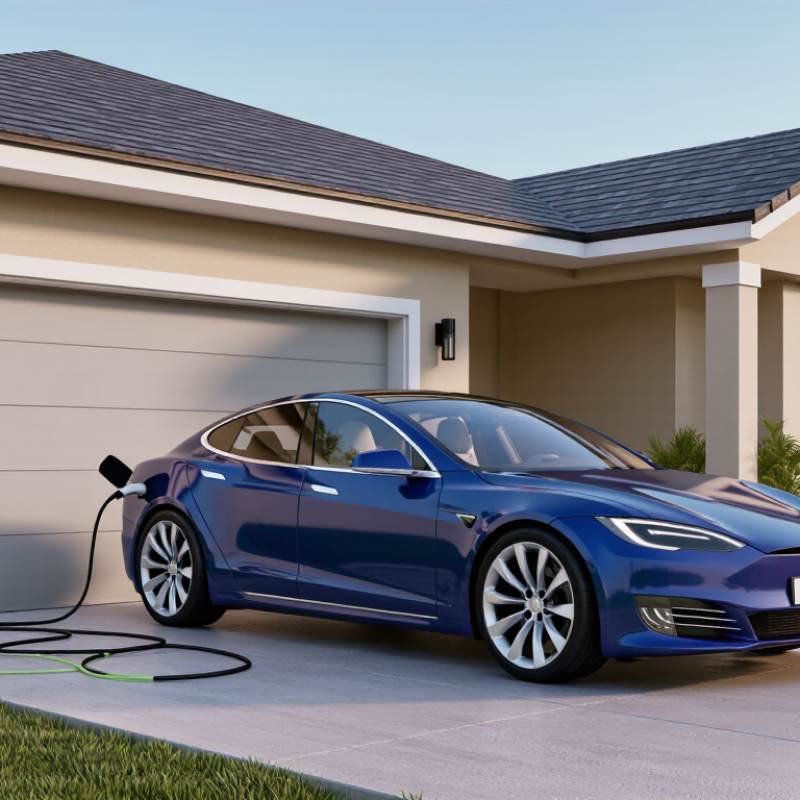
A home charging station makes everyday charging part of the routine: plug in after dinner, then wake to a replenished battery. The U.S. Department of Energy estimates that Level 2 charging adds about 10–30 miles of range per hour. That is a useful range, not a promise for every car or every home. Not instant.
The actual rate depends on the vehicle’s onboard charger, battery condition, and the power available to the charging equipment. Cold weather can also reduce driving range, so the miles added overnight may not match the miles you can travel. A qualified electrician can check whether your home’s electrical service can support Level 2 equipment before installation. A short assessment can prevent an expensive surprise.
For a driver covering 30 miles a day, several hours of Level 2 charging may replace that day’s travel, though real results vary. This can make errands and commuting easier to plan without relying on frequent public charging stops. Still, the “miles per hour” figure can sound more exact than it is. Treat it as a planning guide, and leave extra charging time when temperatures drop or travel plans change.
Why Choose a Home Car Charging Station? — Home Charging Basics: DOE Rates Level 2 at 10–30 Miles of Range per Hour
| Charging Consideration |
Home Level 2 Charging |
What It Means for Drivers |
| Typical power supply |
Usually connected to a 208- or 240-volt circuit |
Higher voltage than a standard household outlet supports faster AC charging. The vehicle’s onboard charger and the circuit’s capacity also affect charging speed. |
| Typical charging rate |
About 10–30 miles of driving range per hour, according to the U.S. Department of Energy |
Actual range added varies with the vehicle, charging equipment, battery temperature, and driving efficiency. |
| Overnight charging |
Several hours of charging can replenish a substantial amount of range |
Drivers can often plug in at home and start the next day with more charge, rather than making a separate trip to a charging location. |
| Replacing a typical daily drive |
At 10–30 miles of range per hour, adding 30 miles would take roughly 1–3 hours |
This is an estimate based on the DOE range-per-hour figure; the vehicle’s actual rate may differ. |
| Charging schedule |
Charging can be scheduled when the vehicle and equipment support it |
Some electricity plans have time-of-use rates. Check the local utility’s rate schedule before choosing a charging time. |
| Installation planning |
May require a suitable dedicated circuit, electrical panel capacity, and permitted installation |
An electrician can assess the home’s wiring, panel capacity, installation location, and applicable local requirements. |
| Best suited for |
Drivers with regular access to a driveway, garage, or other approved parking location |
Convenient for routine charging at home, especially when the vehicle is parked for several hours. |
| Important limitation |
Charging speed is constrained by the lowest-capacity part of the setup |
The vehicle’s onboard charger, the charging equipment, and the electrical circuit can each limit the charging rate. |
Note: Range and charging-time figures are estimates, not guarantees. Actual results vary by vehicle, battery condition and temperature, charging equipment, electrical supply, and driving conditions.
Everyday Convenience: How Overnight Charging Fits Home EV Use
Why Choose a Home Car Charging Station?
Everyday Convenience: How Overnight Charging Fits Home EV Use
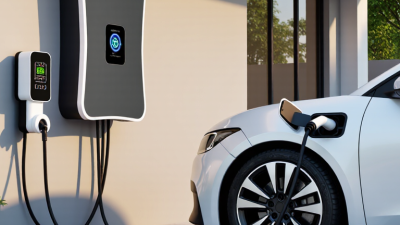
For many electric vehicle drivers, the biggest benefit of home charging is a quieter daily routine. You arrive home, park in the driveway or garage, and connect the cable before heading inside. By morning, the car may have regained much of the range used during the day. No extra stop is needed on an ordinary commute. That simplicity can feel almost too ordinary.
Overnight charging works well when the car sits parked for several hours. A household can set a charging schedule to use those hours, subject to the vehicle and charger settings. The exact time depends on the car, the charger, and how much energy the battery needs. A dashboard estimate helps, but it is still an estimate. Plans change, and some nights the car may not be plugged in.
Home charging does not make every trip effortless. Cold weather, a busy evening, or an unexpectedly long drive can leave less range than planned. A suitable charging unit and electrical circuit should be assessed and installed by a qualified professional. Keep the cable where it will not cross a walkway. Small habits matter. Once the routine settles in, starting the day with a charged car can mean one less errand to fit around everything else.
Why Choose a Home Car Charging Station?
Everyday Convenience: How Overnight Charging Fits Home EV Use
With the example assumptions of a 7.2 kW home charger and 3 miles per kWh of energy from the wall, replacing 20–40 miles of daily driving takes an estimated 0.9–1.9 hours of charging. Actual time varies by vehicle, charger, and conditions, so charging overnight can provide a convenient buffer.
Electricity Costs: EIA Reports a 2024 U.S. Residential Average of 16.48¢/kWh
Why Choose a Home Car Charging Station?
The U.S. Energy Information Administration reported an average residential electricity price of 16.48 cents per kilowatt-hour in 2024. That national figure gives drivers a useful starting point, but it is not a personal quote. Your utility, location, and time-of-use plan can change the real cost. A home charger makes overnight charging convenient and helps you track the electricity your car uses.
Here is a simple estimate. A vehicle using 30 kWh per 100 miles would use about $4.94 of electricity at the EIA’s average rate. That figure excludes charging losses and differences in vehicle efficiency. Still, it offers a concrete comparison point. The math is useful, but imperfect.
The U.S. Department of Energy’s Alternative Fuels Data Center says Level 2 equipment can typically add about 10–20 miles of range per charging hour. That can make an evening plug-in practical for many daily commutes. Charging during lower-priced hours may also reduce costs where utility plans offer time-based rates. Check your local tariff before assuming that nighttime electricity is cheaper. A charger can simplify the routine, but it cannot make every rate plan economical.
Installation Needs: DOE Level 2 Charging Uses 208- or 240-Volt Power
Why Choose a Home Car Charging Station?
Installation Needs: DOE Level 2 Charging Uses 208- or 240-Volt Power
A home charging station can make daily charging more convenient, especially when your car sits parked overnight. Level 2 charging uses 208- or 240-volt power, rather than a standard 120-volt household outlet. Many homes supply 240 volts, while 208 volts is common in some multifamily buildings. Check your vehicle and charging equipment specifications before choosing a setup.
Installation takes more than mounting a unit near the driveway. An electrician should assess the electrical panel, circuit capacity, wiring, and distance to the parking space. A long cable route or an older panel may affect the work and cost. The exact requirements vary, so avoid assuming that an unused breaker means enough capacity. That detail is easy to miss.
Tips: Ask a qualified electrician to confirm the supply voltage and available load. Get a clear estimate for wiring and any panel upgrades. Keep the station protected from weather as its manual directs. Small planning steps help. Don’t rush the site choice; a few extra feet of cable can matter.
Choosing a Station: Compare Output, Connector Type, and UL 2594 Certification
A home car charging station can make overnight charging easier, but the right choice depends on more than maximum output. Check the station’s power rating against your vehicle’s onboard charger and your home circuit. A higher rating will not necessarily charge your car faster if the vehicle cannot accept that power. A qualified electrician can assess the circuit before installation. Small details matter.
Connector type is just as important. Match the plug to your vehicle’s inlet, and confirm compatibility if you expect to change cars later. Then look for clear evidence of UL 2594 certification, such as product labeling and documentation. This standard addresses electric vehicle supply equipment safety. Do not rely on a vague “tested” claim alone; verify the specific model and its certification details. I used to focus mostly on output, but connector fit and documented safety deserve equal attention.
Tips: Compare the station’s rated output with your car’s charging limit. Read the installation requirements before purchase. Keep the product documentation for your electrician. If a specification is unclear, pause and ask for clarification. A little caution can prevent an expensive mismatch.