Leave Your Message
Choosing an Electric Vehicle Charger is not simply a matter of buying the fastest unit available. Your vehicle, parking space, electrical system, and daily driving habits must work together. A charger that looks impressive on a product page may be unnecessary for a driver covering only 25 miles each day.
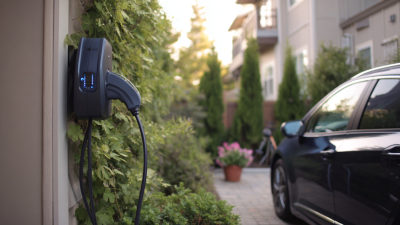
Tom Moloughney, an EV charging specialist and experienced reviewer, says, “Home charging is the most convenient and least expensive way to charge an EV.” That practical observation deserves attention. A Level 2 charger beside your garage can refill a vehicle overnight, while a standard household outlet may be enough for occasional driving. However, installation conditions matter. A cold outdoor wall, a long cable run, or an older electrical panel can change the decision quickly.
Start with the vehicle’s maximum AC charging rate. Then check the charger’s amperage, connector compatibility, cable length, weather rating, and warranty. Smart features can schedule charging during lower-cost periods, but they may add setup complexity. Keep it simple when possible.
Safety should not be treated as a marketing feature. Use a qualified electrician, follow local installation requirements, and avoid damaged cables or overloaded outlets. These details are easy to overlook.
There is no perfect charger.
This guide compares charging speeds, connector types, installation needs, operating costs, and useful smart functions. It also questions a common assumption: faster charging is always better. Often, reliability and convenient placement matter more than maximum power.
How to Choose an Electric Vehicle Charger?
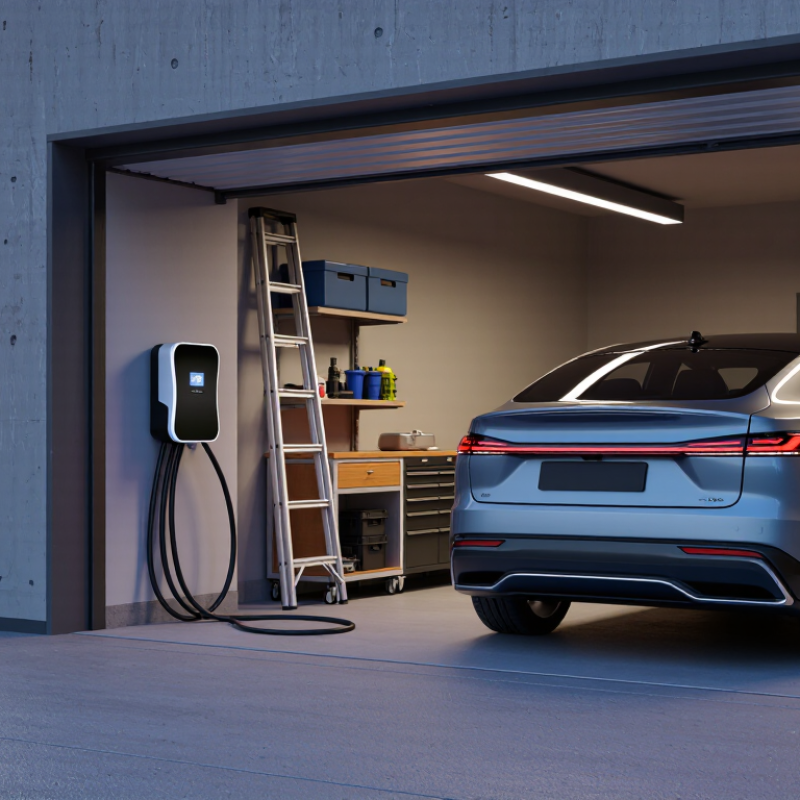
Choosing an electric vehicle charger starts with understanding charger types and charging levels. In daily use, alternating-current chargers are common at homes and workplaces. They send electricity through the vehicle’s onboard charger. Level 1 uses a standard household outlet and delivers the slowest charging speed. It may add only a few miles of range per hour. However, it can suit drivers with short commutes and overnight parking. Level 2 needs dedicated equipment and usually adds far more range each hour. It is often the practical home option, but a qualified electrician should check the wiring, outlet, and available electrical capacity.
Level 3, commonly called DC fast charging, sends direct current to the battery system. It can restore substantial range during a short stop. Charging speed depends on battery temperature, vehicle limits, and the charger’s power rating. Fast charging is useful on long journeys, but repeated high-power sessions may increase battery heat. The vehicle’s charging guidance matters more than a charger’s advertised maximum.
Check your parking time, daily mileage, weather, and electrical supply before buying. A higher level is not always better. That rule is imperfect. A Level 2 charger may be unnecessary for a lightly used vehicle, while Level 1 can become frustrating during winter. Cable length, weather protection, safety certification, and installation quality also deserve attention. Small details matter. A charger that fits your routine is usually more valuable than the fastest available model.
| Charger Type or Level | Power Source | Typical Voltage | Typical Power Output | Approximate Driving Range Added | Typical Charging Time | Best Use Case | Important Considerations |
|---|---|---|---|---|---|---|---|
| Level 1 AC Charging | Standard household outlet | Approximately 120 V AC | About 1.2–1.9 kW | Approximately 3–8 km per hour of charging | About 30–60 hours for a full charge, depending on battery size and vehicle efficiency | Overnight charging, plug-in hybrid vehicles, and drivers with low daily mileage | Usually the slowest option; dedicated circuit capacity and outlet condition should be checked before regular use |
| Level 2 AC Charging | Dedicated residential, commercial, or public circuit | Approximately 208–240 V AC | About 3.3–19.2 kW, depending on the vehicle and circuit | Approximately 16–80 km per hour of charging | About 4–12 hours for a typical full charge | Home charging, workplaces, apartments, hotels, and destination charging | Often the most practical everyday option; installation may require electrical upgrades and professional work |
| DC Fast Charging | Dedicated commercial or public direct-current equipment | Commonly about 400–1,000 V DC | Approximately 50–350 kW, with some systems rated higher | Approximately 160–1,000 km per hour of charging | Typically 20–60 minutes to reach about 10%–80%; charging slows as the battery approaches a high state of charge | Highway travel, long-distance trips, taxis, fleets, and rapid top-ups | Actual speed is limited by the vehicle, battery temperature, battery state of charge, and charger availability |
| Portable EV Charger | Household outlet or compatible higher-power outlet | Usually 120 V or 208–240 V AC | Approximately 1.2–9.6 kW | Approximately 3–40 km per hour of charging | Varies from several hours to more than one day | Travel, temporary charging locations, and drivers who need flexibility | Convenient but generally slower than a permanently installed Level 2 charger; cables and outlets must be protected from damage and moisture |
| Wall-Mounted AC Charger | Dedicated hardwired or plug-in circuit | Usually 208–240 V AC | Commonly 7.2–19.2 kW | Approximately 30–80 km per hour of charging | Typically 4–10 hours for a full charge | Residential garages, private parking areas, and workplaces | Provides consistent daily charging; the electrical service, circuit breaker, cable length, and installation location must be suitable |
| Public AC Destination Charger | Commercial or shared AC electrical supply | Usually 208–240 V AC | Commonly 3.3–22 kW | Approximately 16–90 km per hour of charging | About 1–8 hours, depending on power output and battery capacity | Shopping centers, offices, hotels, parking facilities, and attractions | Designed for longer stays; access rules, parking fees, payment methods, and connector compatibility may vary |
| Single-Phase AC Charger | Single-phase electrical supply | Commonly 120–240 V AC | Approximately 1.2–9.6 kW in many installations | Approximately 3–40 km per hour of charging | Several hours to overnight | Homes and small premises with single-phase electrical service | Simple and widely available, but maximum output may be limited by the building supply and the vehicle's onboard AC charger |
| Three-Phase AC Charger | Three-phase electrical supply | Commonly 208–400 V AC between phases, depending on the electrical system | Approximately 11–43 kW | Approximately 55–180 km per hour of charging | About 1–4 hours for many vehicles that support higher-power AC charging | Commercial properties, fleet depots, and suitable public charging locations | Higher AC power requires compatible vehicle hardware and appropriate building infrastructure |
| AC Charging Connector | Alternating-current connection to the vehicle's onboard charger | Varies by regional electrical standard | Typically up to approximately 43 kW, depending on connector, vehicle, and installation | Depends on the AC power rating | Usually slower than DC fast charging | Home, workplace, destination, and public charging | Confirm that the connector format and electrical rating match the vehicle and the charging location |
| DC Charging Connector | Direct-current connection that bypasses the vehicle's onboard AC charger | Commonly about 400–1,000 V DC | Approximately 50–350 kW or more, subject to vehicle limits | Depends on charger output, vehicle acceptance rate, and battery conditions | Generally minutes rather than hours for a useful top-up | Long-distance travel and commercial high-utilization vehicles | Connector compatibility is essential; frequent high-power charging may increase energy costs and battery thermal demands |
| Smart EV Charger | Usually Level 2 AC or managed DC charging equipment | Depends on the underlying charger level | Depends on the underlying charger level | Depends on charging power and charging duration | Depends on the underlying charger level | Energy management, time-of-use electricity plans, solar integration, and shared charging | May support scheduling, load balancing, usage monitoring, access control, and remote software functions; internet connectivity may be required |
| Vehicle-to-Home or Vehicle-to-Load Charging | Bidirectional charger connected to a compatible electric vehicle and electrical system | Varies by system and local electrical standard | Often approximately 1.4–12 kW, depending on the system | Not primarily measured by added driving range | Depends on energy transfer, battery capacity, and household demand | Backup power, selected appliances, and energy management | Requires a compatible vehicle, bidirectional equipment, correct installation, and compliance with local electrical and safety requirements |