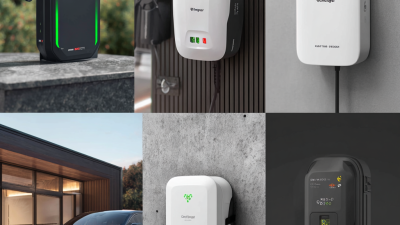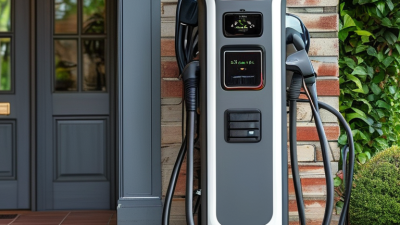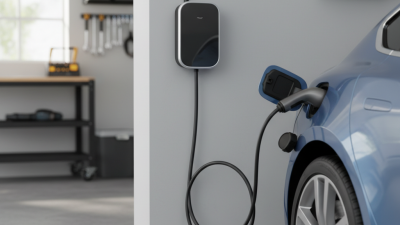
Choosing a Home Car Charger in 2026 requires more than comparing prices and cable lengths. Your vehicle, electrical panel, parking space, and daily driving pattern must work together. The International Energy Agency’s Global EV Outlook 2025 reported more than 17 million electric car sales worldwide in 2024. That growth is changing household energy habits. A charger is no longer just an accessory beside the garage wall. It becomes part of your daily routine.
The U.S. Department of Energy’s Alternative Fuels Data Center describes Level 2 charging as typically operating at 240 volts, with power commonly ranging from 3 to 19.2 kilowatts. In practical terms, that could mean adding several miles of range while you cook dinner. However, maximum charging speed is not always the best choice. A vehicle may accept less power, or your home panel may have limited capacity. A licensed electrician should assess the circuit, grounding, and installation location before purchase. Safety comes first.
Look for adjustable power, weather protection, cable reach, connector compatibility, and reliable app controls. ENERGY STAR also emphasizes efficiency and connected features for qualified electric vehicle supply equipment. Yet app ratings can be misleading. Software changes. Wi-Fi drops. A simple charger may serve you better than a complicated one. No charger is perfect.
This guide compares the practical details that matter in 2026. It also questions attractive specifications that may not improve everyday charging. Consider real usage, not showroom promises. Your best choice should be safe, compatible, durable, and affordable to operate.
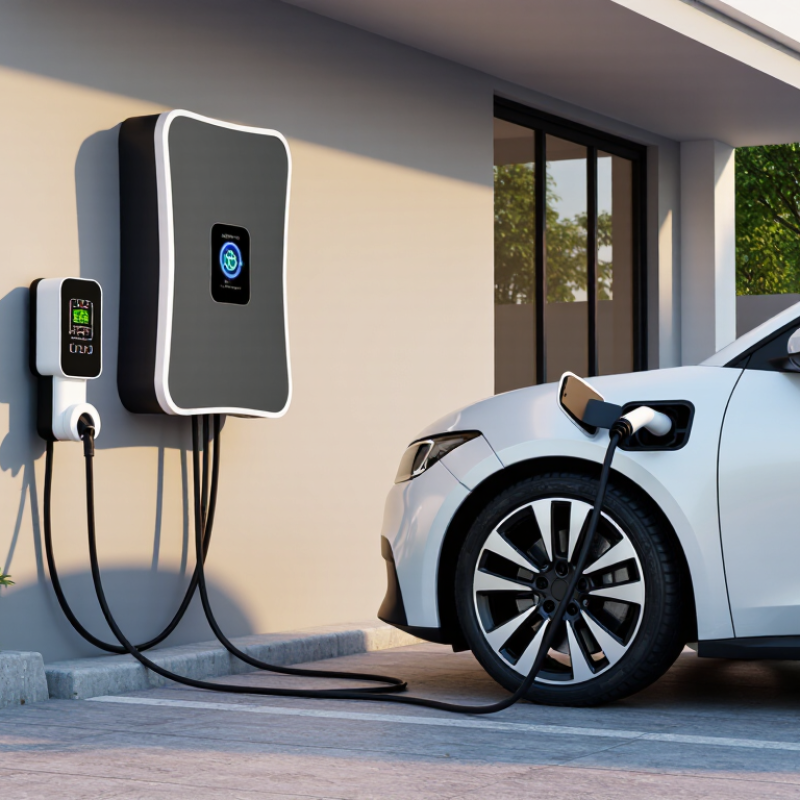
Choosing a home car charger in 2026 starts with charging level, not screen size or advertised power.
Level 1 uses a standard household outlet and is usually the slowest option. It can add roughly 3–8 kilometers of range per hour, depending on the vehicle and circuit. This suits low-mileage drivers with overnight parking. It also avoids a major installation project. However, shared outlets and extension cords can create heat and safety concerns.
Level 2 is the practical choice for many homes. It uses a dedicated higher-voltage circuit and can commonly add 25–65 kilometers per hour. Actual speed depends on the vehicle’s onboard charger, cable rating, and available electrical capacity.
A qualified electrician should check the panel, grounding, cable route, and outdoor protection. Do not assume an old garage circuit can handle continuous charging. That mistake is common, and expensive to correct.
Some households consider home DC fast charging, but it is rarely simple or economical. It demands substantial power, specialized equipment, and careful local approval. For most drivers, Level 2 supports an easier routine: plug in after dinner and leave by morning.
Smart scheduling can reduce charging costs, yet software is not always dependable. Keep a manual charging option.
Compatibility matters too, including the vehicle inlet, connector, weather sealing, and cable length. A charger that looks advanced may still feel awkward beside a narrow driveway.
In 2026, charger power should match both your vehicle and your electrical panel. The IEA’s Global EV Outlook 2025 reports that electric car sales exceeded 17 million in 2024. More households now need dependable overnight charging. A 7.2-kilowatt charger can add roughly 50–60 kilometers of range per hour, depending on vehicle efficiency. An 11-kilowatt unit may charge faster, but only if the car supports three-phase or higher onboard charging.
Check the vehicle’s maximum AC charging rate first. The U.S. Department of Energy’s Alternative Fuels Data Center identifies Level 2 charging as 208–240 volts, with equipment reaching 19.2 kilowatts. More power is not automatically better. A vehicle limited to 7.4 kilowatts will not charge faster from an 11-kilowatt charger. A 60-kilowatt-hour battery may need over eight hours at 7.2 kilowatts, including charging losses.
Your home circuit matters just as much. A 48-amp charger commonly requires a dedicated 60-amp circuit under continuous-load calculations. Older panels may lack spare capacity, and long cable runs can increase installation cost. An electrician should verify panel rating, conductor size, grounding, and local requirements. Do not assume a spare breaker is enough.
I would check twice before choosing maximum power; a slower charger can be safer and more economical for a modest daily commute. That trade-off is easy to overlook.
Installation requirements deserve attention before smart features. Installation comes first. A qualified electrician should inspect your panel, wiring, grounding, and available capacity. A 240-volt Level 2 circuit may need a dedicated breaker and thicker cable. The U.S. Department of Energy’s Alternative Fuels Data Center estimates Level 2 equipment can add roughly 10 to 60 miles of range per charging hour. Your vehicle and climate will affect the result. The IEA Global EV Outlook 2024 reports that private charging remains central in major electric-vehicle markets. Therefore, a charger should match your daily mileage, not an impressive maximum rating. I once assumed faster charging was always better. That assumption was too neat.
Safety depends on more than certification labels. Choose equipment tested to recognized electrical standards, with overcurrent protection, thermal monitoring, and residual-current detection. Ask whether the installer will verify torque settings and weather protection. A warm outlet, cracked cable, or repeated breaker trips needs immediate attention. Do not ignore small warnings. Smart functions can improve control, but they cannot repair poor wiring. Look for scheduled charging, load balancing, usage records, and secure software updates. The IEA also highlights managed charging as a practical method for reducing pressure during peak demand. Still, connectivity may fail. Keep manual charging available. Review data permissions carefully, especially when the charger connects to home networks. A reliable installation should remain safe when the app does not.
Choosing a home car charger in 2026 requires more than chasing the highest charging speed. A faster unit may need expensive electrical upgrades, while a moderate charger can fully recharge your car overnight. Check your vehicle’s maximum AC charging rate first. Buying extra capacity can become wasted money. A qualified electrician should inspect your panel, cable route, grounding, and outdoor protection. Installation costs often vary more than the charger itself.
Tips: Compare total cost, not the device price alone. Include installation, permits, electricity rates, and possible maintenance. Ask whether scheduled charging supports off-peak tariffs. Measure the cable length before purchase. A short cable can turn a convenient driveway into a daily annoyance.
Compatibility also affects long-term value. Confirm the connector type, charging protocol, app requirements, and weather rating. Smart load management can prevent household appliances from competing for limited power. This matters in homes with heat pumps, electric ovens, or solar systems. Look for clear warranty terms and replaceable parts. Some low-cost models seem attractive, but unreliable software can make them frustrating after a few months. I would not assume every advertised feature will remain useful. Software support can change. A simple, well-documented charger may serve you longer than a complicated one. Consider your next vehicle too, but do not pay heavily for uncertain future needs.
Charging speed, estimated installed cost, compatibility, and long-term value comparison for common home-charging setups.
Assumptions: a 60 kWh battery replenished from 20% to 80%, 90% wall-to-battery efficiency, and typical U.S. equipment plus installation costs. Level 1 usually uses a standard household outlet and is widely compatible but slow. A 7.2 kW Level 2 charger is generally the best balance for overnight charging, while an 11.5 kW setup only provides a meaningful benefit when the vehicle supports that input and the home has adequate electrical capacity. Actual installation costs vary by electrical-panel capacity, wiring distance, permits, and local labor rates.
Choosing a home charger starts with your daily driving, not its maximum power. The IEA’s Global EV Outlook 2025 reports that electric car sales exceeded 17 million worldwide in 2024. More households now need predictable overnight charging. If you drive 35 miles daily, a 7.4 kW Level 2 charger may restore that energy within several hours. The U.S. Department of Energy’s Alternative Fuels Data Center states that Level 2 equipment can add roughly 10 to 60 miles of range per hour. Actual results depend on the vehicle, battery temperature, and electrical supply.
Measure your routine for one week. Note your average mileage, parking time, winter temperatures, and available circuit capacity. A charger with adjustable current can reduce electrical strain during peak household use. Ask a qualified electrician to inspect the panel, cable route, grounding, and outdoor protection. Do not choose a high-output unit simply because the number looks impressive. Your car may accept less power anyway. I once assumed faster charging was always better, but overnight consistency mattered more than speed.
Look for clear energy records, scheduled charging, reliable load management, and weather-resistant construction. The International Energy Agency identifies home charging as a major part of private electric-car charging where parking access exists.
Electricity tariffs also deserve attention. A charger that follows cheaper overnight rates may save more than a faster model. Yet smart features can fail or become confusing. Keep manual controls available. A simple backup often matters on a cold morning.