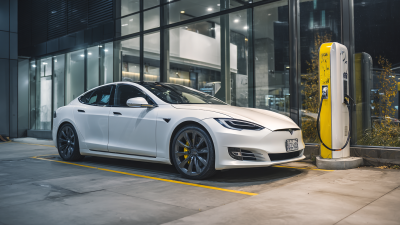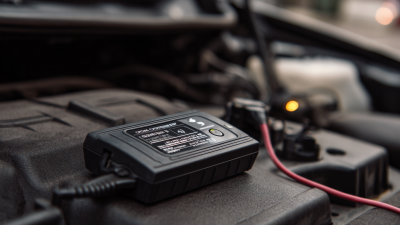
A Solar Car Charger can keep a parked vehicle’s 12-volt battery topped up, but the right choice depends on more than panel size. Output, charge control, weather resistance, and battery compatibility all matter. A compact dashboard panel may help offset small standby losses. It will not quickly recharge a deeply depleted battery. Not every model suits every car.
Solar systems engineer Alex Morgan offers a useful selection rule: “Match the charger to the battery, the parking conditions, and the power you actually need.” Treat that as a starting point, not a guarantee. Real-world output changes with cloud cover, shade, panel angle, and season. A panel behind tinted glass may perform differently from one placed outdoors. Check the product’s specifications and your vehicle manual before connecting anything.
This guide compares seven Solar Car Charger options by practical fit, portability, charging approach, and ease of use. Some are designed for basic battery maintenance; others offer more output or added protection features. The details count. We’ll also note limitations, because a small solar panel cannot solve every battery problem. If a battery repeatedly loses charge, the cause may be a fault rather than insufficient sunlight. A careful comparison can help you choose with clearer expectations—and avoid paying for power your car cannot use.
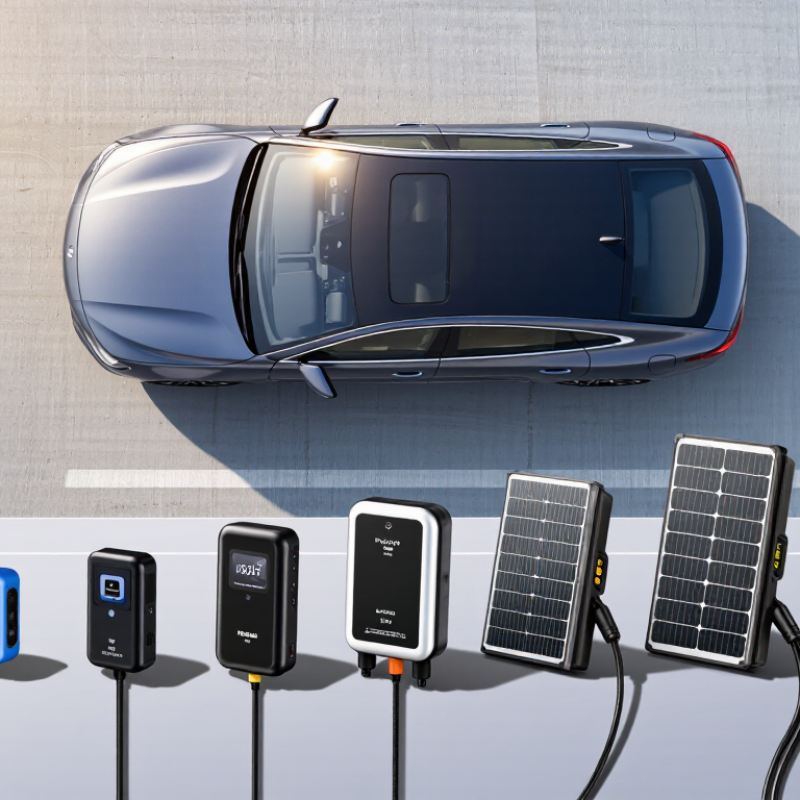
A solar car charger uses photovoltaic cells to turn sunlight into electrical energy. The cells produce direct current when light strikes their surface. A small charge controller then regulates that electricity before it reaches a vehicle battery. Many products are designed to maintain a 12-volt starter battery, not refill an electric car’s main battery. That distinction matters.
For a typical setup, the panel sits on a dashboard or outside in direct sun. A cable connects it to the battery, often through a vehicle’s accessory socket or supplied clips. Follow the charger’s instructions and check that its voltage and connection method suit your vehicle. Some models include reverse-polarity and overcharge protection; others may offer less protection. Shade matters. Even a thin shadow across part of a panel can reduce its output, while clouds and winter sun also slow charging.
A solar charger usually provides a modest current, so it is better suited to maintaining a parked car’s battery than quickly recovering a deeply discharged one. Check the panel’s rated output, controller type, and whether the vehicle socket stays connected when the ignition is off. It is easy to expect more than a small panel can deliver. Not a fast refill. For an electric vehicle, use equipment specifically designed for its charging system rather than connecting a low-voltage maintainer to the traction battery.
When comparing solar car chargers, start with the job you need them to do. A compact panel may help maintain a healthy battery during long parking periods, but it may not recharge a deeply depleted battery quickly. Check the panel’s rated output and the charger’s voltage against your vehicle and battery specifications. A built-in charge controller can regulate power; confirm it supports your battery’s chemistry and includes reverse-current protection. Small details matter.
Look closely at connectors, cable length, and polarity before connecting anything. A cable that barely reaches the battery can make an otherwise suitable charger awkward to use. Choose a panel with weather-resistant construction if it will sit outdoors, and secure it so wind cannot shift it. Placement matters, too: shade from a roof rack or nearby trees reduces sunlight, while glass can reduce the panel’s output. Read your vehicle manual, especially if the battery is difficult to access or the car has sensitive electronics. A small maintainer is useful, but its limits are easy to underestimate.
Which Seven Solar Car Chargers Suit Different Needs?
A compact 5-watt maintenance panel suits a parked car with a healthy 12-volt battery and modest standby drain. A 10–20-watt folding panel is better for camping, where you can angle it toward the sun. A dashboard panel is simple to place, but tinted glass and shade can cut its output. A weather-resistant hood-mounted charger fits outdoor parking; secure its cable away from moving parts. Flexible panels work on curved surfaces, though heat and difficult replacement deserve thought. A higher-output portable panel suits larger batteries and frequent off-grid use. For electric vehicles, a solar panel paired with a home battery and compatible charging equipment is the practical choice. Tiny 12-volt panels generally maintain accessories; they do not meaningfully recharge an EV’s traction battery.
Ratings need context. The IEA Photovoltaic Power Systems Programme reported that global installed solar capacity exceeded 1.6 terawatts by the end of 2023. That growth shows solar’s reach, not the output of a small car charger. Real-world yield depends on sunlight, panel angle, glass, temperature, and shading. A rated 20-watt panel will not deliver 20 watts all day. Check voltage compatibility, reverse-current protection, weather resistance, and whether the vehicle’s manual permits connection. A charge controller matters for many larger panels. Keep expectations modest. I would compare measured output and cable durability, not just the wattage printed on the box.
Install the panel where it receives steady, unobstructed sunlight. A shaded corner of the windshield can sharply reduce charging. Secure it so braking or a gust cannot move it. Connect the panel to a charge controller matched to your battery chemistry and voltage; do not assume every controller supports every battery. Follow the manual’s connection sequence, and use the specified fuse near the battery. Keep cables clear of pedals, hinges, airbags, and hot engine parts.
For a portable setup, check that the panel and connectors are rated for outdoor exposure. Glass can cut solar output, so a dashboard panel may perform worse than its rating suggests. Parked outside? Secure the panel against theft and wind. That detail is easy to forget. Check the battery’s resting voltage and the controller’s readings after installation; a display that lights up does not prove useful charging is happening.
Maintain the system with a soft, damp cloth and inspect cables for cracks, loose plugs, or corrosion. Jordan and Kurtz’s NREL-backed review, “Photovoltaic Degradation Rates,” reported a median module degradation rate near 0.5% per year across reviewed studies. That figure describes PV modules generally, not a guaranteed lifespan or output for small car chargers. Recheck performance seasonally, since shade, dirt, and parking angle can matter more than gradual panel aging.
A solar car charger can maintain a parked vehicle’s 12-volt battery, but it is not a universal charging solution. Check your owner’s manual before connecting anything. Some accessory sockets turn off when the ignition is off, so a panel plugged into one may deliver no power. A small solar maintainer also will not meaningfully recharge an electric vehicle’s main battery.
Match the charger to the battery’s voltage and chemistry. Lead-acid and lithium batteries need different charging profiles. Use a charge controller designed for your setup, and check whether the charger includes reverse-current protection. That matters after sunset.
An unfused or poorly connected cable can overheat, especially if it gets pinched in a door or rubs against a sharp edge. Keep wiring clear of moving parts and inspect it for damage.
Sunlight ratings are optimistic. Shade from a roof rack, clouds, or even a dirty windshield can reduce output sharply. Place the panel securely while parked, and keep it away from hot surfaces that could trap heat. Never run loose cables where they could interfere with driving.
If the battery is swollen, leaking, or unusually hot, stop using the charger and get qualified help. I have found that “set and forget” is tempting, but checking connections after a windy afternoon is still worthwhile.