What is a Home Car Charging Point and How Does it Work?
In recent years, the adoption of electric vehicles has surged. Along with this growth, the demand for efficient home charging solutions has increased. A Home Car Charging Point is vital for EV owners. It provides a convenient way to charge their vehicles overnight or during the day.
Expert John Smith, a leading figure in the charging technology sector, states, "A Home Car Charging Point is the backbone of sustainable transportation." His insight emphasizes the importance of having a reliable charging system at home. The installation of such points allows drivers to easily manage their vehicle's energy needs.
However, many still ponder the practicality and cost of installation. Some might wonder if it’s worth the investment. Balancing convenience and expense is a dilemma for many households. Despite these concerns, the long-term benefits of having a Home Car Charging Point are clear. It offers freedom, efficiency, and supports a greener future.
Understanding Home Car Charging Points
Home car charging points are essential for electric vehicle (EV) owners. They provide a convenient way to recharge vehicles at home, ensuring that drivers always have sufficient power. According to a report by the International Energy Agency, the number of EVs on the road is expected to rise significantly. In fact, it could reach 230 million globally by 2030. This growth highlights the increasing need for effective home charging solutions.
Understanding how these charging points work can alleviate concerns for potential buyers. Most home systems use Level 2 chargers, which operate at 240 volts. This voltage allows faster charging compared to standard outlets. On average, a Level 2 charger can fully charge an electric vehicle in about 4 to 8 hours. It is important to note that installation can sometimes pose challenges, requiring electrical upgrades or permits, which might deter some homeowners.
The costs vary widely. A home charging station can run between $400 to $1,500, excluding installation. Additionally, utility rates can differ, impacting the overall cost of charging at home. People should also consider the environmental implications. While home charging is generally greener, it is crucial to ensure that the local electricity supply is sourced from renewable energy. Without this, the environmental benefits of EVs may diminish, necessitating a reflection on how we power our homes and vehicles.
Types of Home Car Charging Points
Home car charging points have gained popularity as electric vehicles (EVs) become more mainstream. There are primarily two types of home car charging points: Level 1 and Level 2 chargers.
Level 1 chargers use a standard 120-volt outlet. They are easy to install and typically come with the EV. However, charging speed is slow. It can take 8 to 12 hours to fully charge a vehicle. This option is suitable for drivers with overnight access to power and those with short daily commutes.
Level 2 chargers operate at 240 volts and deliver faster charging. With a Level 2 charger, a home EV can be charged in 4 to 8 hours. This is often the preferred choice for daily drivers or when quick turnaround times are necessary. Using Level 2 charging can significantly reduce range anxiety. According to the International Energy Agency, the global EV market is expected to reach over 145 million vehicles by 2030.
**Tips**: Consider your driving habits when choosing a charger. More frequent travelers might benefit from a Level 2 charger, while occasional users could manage with Level 1. Always ensure proper installation to avoid electrical hazards. Regularly check your charging equipment for wear and tear, as this can affect performance and safety.
Home Car Charging Points Types and Charging Speed Comparison
Components and Installation of a Home Charging Station
A home car charging point is essential for electric vehicle (EV) owners. It allows convenient charging at home. Understanding its components and installation is key to maximizing benefits.
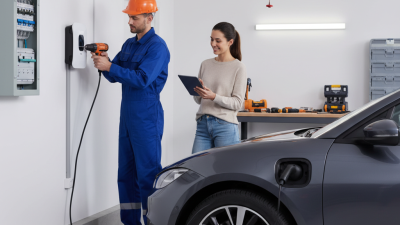
At the core, a home charging station includes a charging unit, a power source, and wiring. The charging unit converts electricity from the grid into a form usable by the EV. It typically connects to a dedicated circuit in your home. Proper wiring is crucial to ensure safety and efficiency. Always consult professionals for installing high-powered units.
Tips: Choose a location that is easily accessible for your vehicle. Avoid areas near water sources, as this may create safety hazards. Also, consider the distance from main power lines to reduce installation costs.
Installation might seem straightforward, yet it requires attention to detail. Improper installation can lead to malfunction or hazards. Regular maintenance checks are necessary to ensure long-term functionality. Engage with qualified electricians to avoid common pitfalls during installation.
What is a Home Car Charging Point and How Does it Work? - Components and Installation of a Home Charging Station
| Component |
Description |
Installation Considerations |
Average Cost |
| Charging Station |
The main unit that provides electrical power to charge the vehicle. |
Should be installed near the parking area; requires a dedicated circuit. |
$500 - $2,500 |
| Wall Connector |
A type of charging unit that is mounted on the wall. |
Must be installed at an appropriate height and location for accessibility. |
$300 - $1,500 |
| Level 2 Charger |
Offers faster charging with higher voltage and amperage than Level 1. |
Requires installation by a qualified electrician. |
$1,000 - $3,000 |
| Electrical Panel Upgrade |
Reinforces the electrical system to handle additional load. |
Check capacity; might need a professional assessment. |
$1,500 - $4,000 |
| Trenching and Wiring |
Involves digging trenches for wiring installation from the panel to the charger. |
Location-specific factors affect complexity. |
$500 - $2,000 |
How Home Charging Points Work: The Mechanics Explained
Home charging points are essential for electric vehicle (EV) owners. They provide a convenient way to charge cars at home. Understanding how these charging points work helps you make informed decisions about installation and usage.
Home charging points function through a simple mechanism. When you connect your EV to the charging unit, electricity flows from your home supply to the vehicle’s battery. This process involves a dedicated circuit that can handle high voltage and amperage. It allows for faster charging compared to a standard outlet. Most units have safety features to prevent overcharging and short circuits.
Tips: Consider the location of your charging point. Installing it close to your parking area can save time and reduce hassle. Check local regulations on installation. Some areas have specific guidelines to follow.
Regular maintenance is important too. Occasionally, check the cables for wear and tear. If you notice any issues, consult a professional for repairs. Monitoring your charging habits can enhance battery life. Avoid letting your battery level drop too low frequently. Proper care ensures your home charging point remains reliable.
Benefits of Installing a Home Car Charging Point
Installing a home car charging point offers numerous advantages for electric vehicle (EV) owners. One of the most notable benefits is convenience. You can charge your vehicle overnight, ensuring it’s ready for use each day. No need to make detours to public charging stations. This saves time and reduces stress on busy mornings.
Cost efficiency is another significant advantage. While there is an initial investment in installing a charging point, it can pay off in the long run. Home electricity rates are often lower than public charging rates. Moreover, some utility companies offer special rates for EV owners. With careful planning, you can optimize your charging schedule to take advantage of these savings.
Additionally, a home charging point can increase your property value. As electric cars become more popular, having a charging station becomes a desirable feature. However, one must consider installation complexities. Are the electrical systems in your home adequate? Professional assessment is essential. Engaging a certified technician ensures safety and reliability.