How to Choose the Best DC EV Charger for Your Needs?
Choosing the right DC EV charger can be overwhelming. With various options available, it’s crucial to understand your specific needs. John Smith, an expert in the EV charging industry, states, "Selecting the right charger can significantly impact your electric vehicle experience." His insight highlights the importance of making an informed decision.
DC EV chargers vary widely in features and capabilities. Assessing factors such as charging speed and compatibility with your vehicle is essential. Often, users overlook their daily driving habits, which can lead to unsuitable charger choices. It is vital to match the charger to your lifestyle and requirements.
Investing in a quality DC EV charger means considering future needs too. As technology advances, your charger should adapt. Seeking expert advice and thoroughly researching options can help avoid common pitfalls. Remember, the right charger will enhance your electric vehicle experience, providing convenience and peace of mind.
Understanding DC EV Charging: What Sets It Apart from AC Charging
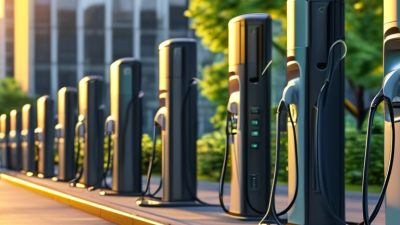
DC EV charging is distinct from traditional AC charging in several important ways. One significant difference is the charging speed. DC fast chargers can typically deliver between 50 kW to 350 kW of power, allowing vehicles to charge up to 80% in approximately 20 to 30 minutes. In contrast, most AC chargers offer lower power levels, often between 3 kW to 22 kW. According to a report by the International Energy Agency, the adoption of DC fast charging is essential for the widespread use of electric vehicles, aiming for a robust charging infrastructure by 2030.
Cost is another key factor in distinguishing DC from AC charging. The installation of DC chargers involves heavier electrical infrastructure, making them more expensive. A typical DC fast charger can cost between $10,000 to $40,000 depending on the specifications. Many operators face challenges in justifying these costs due to the lower volume of DC charging relative to AC. This leads to questions about return on investment and potential profitability.
For users, choosing the right charger is vital. It's important to assess local infrastructure and individual needs. Urban locations may benefit more from DC chargers due to higher traffic volume. However, rural areas may see limited use and prefer AC charging options. Each choice should reflect personal driving habits and community access. Balancing speed, cost, and practicality is essential in this growing market.
Comparison of DC and AC EV Charger Charging Times
Key Factors to Consider When Choosing a DC EV Charger
When selecting a DC EV charger, several factors play a crucial role. The charging speed is paramount. Faster chargers reduce downtime, allowing for quicker energy replenishment. Think about the charging voltage and current ratings. Not all chargers deliver the same power levels. A mismatch could limit charging efficiency and prolong waiting times.
Space for installation is another important consideration. Evaluate where the charger will go. Check if you have ample space for proper ventilation and accessibility. The location should have reliable power access to prevent interruptions during charging. Additionally, consider the future growth of your electric vehicle usage. Will you expand your fleet or upgrade vehicles soon? Thinking ahead can save you from frequent replacements.
Safety features shouldn't be overlooked. Look for chargers with built-in protection against overload and short circuits. It's essential for safeguarding both the vehicle and the environment. Reflect on the ease of use as well. Some chargers come with complicated interfaces that may confuse new users. Practicality matters; a clear display and intuitive controls make a difference in daily use.
Assessing Your Charging Needs: Home vs. Public Charging Solutions
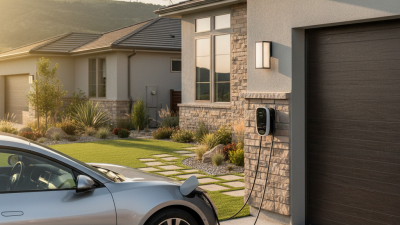
When considering an electric vehicle (EV), charging options play a crucial role. Understanding home versus public charging solutions can help in making informed decisions. Data from the U.S. Department of Energy indicates that around 80% of EV owners use home charging for their daily needs. This method is often more convenient and economical. Home installations typically range from Level 1 to Level 2 chargers, with Level 2 providing faster charging, usually replenishing around 25 miles of range per hour.
Public charging solutions also need careful assessment. Though only 20% of charging occurs in public stations, their role is vital for long trips. According to the International Energy Agency, the number of public chargers has significantly increased. In 2021 alone, the global count reached over 2.3 million charging points. However, drivers should be aware of the varying charging speeds and costs at these stations. Not all public chargers are created equal; some can be inefficient due to long wait times.
Choosing the best charging solution involves weighing personal habits against available resources. Home charging is straightforward and often more predictable. On the other hand, public charging can serve as a backup or a solution for longer journeys. Familiarity with local infrastructure is key but can be challenging without adequate information. Therefore, conducting thorough research into both home and public options is essential for a satisfactory EV experience.
How to Choose the Best DC EV Charger for Your Needs? - Assessing Your Charging Needs: Home vs. Public Charging Solutions
| Charging Solution |
Power Output (kW) |
Charging Time (Hours) |
Typical Use Case |
Installation Complexity |
| Home Charger |
7.2 - 22 |
4 - 12 |
Daily charging overnight |
Moderate |
| Public Fast Charger |
50 - 350 |
0.5 - 2 |
Road trips, quick top-ups |
Low |
| Workplace Charger |
7.2 - 22 |
4 - 8 |
Commute charging |
Moderate |
| Level 1 Charger |
1.4 - 2.4 |
8 - 20 |
Occasional use |
Low |
Evaluating Charger Compatibility with Your Electric Vehicle Model
Choosing the right DC EV charger hinges on understanding compatibility with your electric vehicle model. Each car can have specific charging requirements based on battery size and voltage. For instance, some models may require a charger with a 400V system, while others function optimally with a 200V level. Reports indicate that 70% of EV owners prioritize charger compatibility when making a purchase.
It's essential to check your vehicle's charging port design as well. The CCS and CHAdeMO standards dominate the market, and selecting the wrong type can lead to inconvenient situations. A recent industry analysis revealed that mismatched chargers can result in 15% of charging downtime. This is a significant consideration for those relying heavily on their vehicles for daily commutes.
Moreover, some vehicles may limit the maximum charging capacity they can accept. This detail can affect charging speeds and overall efficiency. If the charger exceeds the vehicle’s capacity, it can lead to longer wait times and reduced performance. Understanding these nuances will guide you in making an informed decision. Balancing speed, compatibility, and cost is key, especially as the EV market continues to grow rapidly.
Analyzing Costs and Installation Requirements for DC EV Chargers
When selecting a DC EV charger, installation requirements and costs play a critical role. The average installation cost ranges from $1,000 to $5,000, depending on your location and existing electrical infrastructure. Certain areas may have additional fees for permits or upgrades, sometimes exceeding $1,000. According to a recent industry report, nearly 40% of installations require significant electrical panel upgrades, which can greatly increase costs.
Understanding the electrical requirements is essential. Most DC chargers require a dedicated circuit and higher voltage input. Be prepared for possible adjustments to your home’s wiring. Electrical capacity assessments often reveal limitations, so hiring an experienced electrician is advisable.
Consider these aspects before purchasing. Seek insights from professionals about the installation process. Always prioritize safety and compliance with local codes. Evaluate your specific needs carefully. Reflect on the long-term benefits versus initial costs. Without a thorough analysis, you might overlook important factors affecting your choice. Choose wisely to ensure your investment aligns with your everyday driving habits and charging needs.