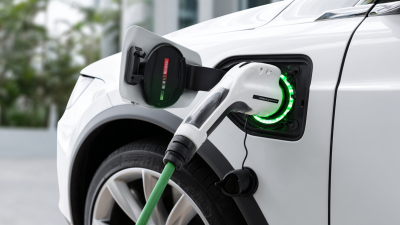
2026 Best Ev Battery Charger for Global Buyers Your Guide?
In the rapidly evolving world of electric vehicles, choosing the right EV Battery Charger is crucial for maximizing efficiency and convenience. With numerous options available, global buyers face a unique challenge. Making an informed choice requires understanding different charger types, power outputs, and compatibility with various electric vehicle models.
The ideal EV Battery Charger should align with personal needs and local infrastructure. Some chargers are designed for home use, while others cater to public charging networks. Factors such as charging speed and installation ease can greatly influence user experiences. Still, many buyers overlook these essential details, resulting in dissatisfaction.
As electric vehicle adoption grows, the landscape surrounding EV Battery Chargers becomes increasingly complex. Buyers must navigate this landscape with diligence. In a market filled with innovative options, some may find themselves facing unexpected challenges. It's vital to reflect on personal requirements to ensure a smart purchase decision. Balancing technology with practicality is essential for every electric vehicle owner.
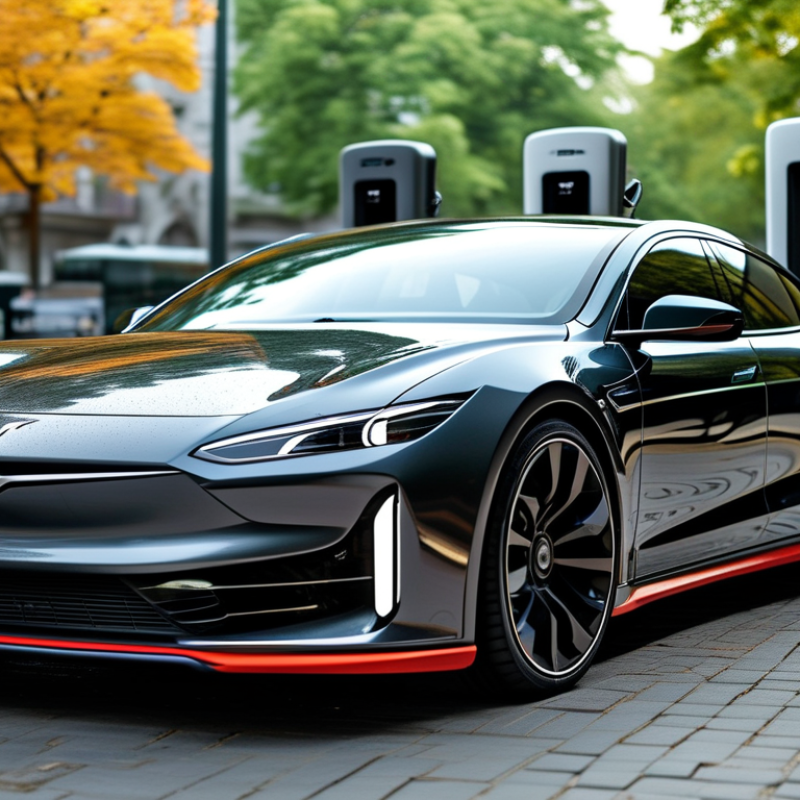
Understanding EV Battery Charging: An Overview
EV battery charging is a critical component of the electric vehicle ecosystem. As demand for electric vehicles rises, understanding how charging works becomes crucial for consumers. Studies indicate that by 2026, the global EV market will expand significantly, with sales projected to reach over 26 million units annually. This surge highlights the necessity for reliable and efficient charging solutions.
Charging methods vary widely, impacting user experience. Level 1 chargers use standard outlets and are slower, while Level 2 chargers provide quicker solutions for home or public use. Fast chargers, or DCFC, can charge a vehicle to 80% in just 30 minutes. However, the availability of charging stations remains uneven. Recent surveys report that charging infrastructure needs to triple to meet future demands.
Safety and charging efficiency must also be prioritized. Reports indicate that improperly installed chargers can lead to hazards. Consumers often express frustration over long wait times or insufficient charging options. Finding reliable information on charging solutions can be challenging, creating a gap in customer confidence. Continuous improvements in technology and infrastructure are necessary to ensure a smooth transition to a fully electrified transportation future.
Types of EV Battery Chargers Available in the Market
When exploring EV battery chargers, it's crucial to understand the types available in the market. There are three primary categories: Level 1, Level 2, and DC Fast Chargers. Level 1 chargers use a standard household outlet. They are accessible, but charging can take a long time—up to 20 hours for a full charge. This is inefficient for many drivers.
Level 2 chargers are more common for home and public use. They utilize a 240-volt outlet and significantly reduce charging time to about 4 to 8 hours for most vehicles. According to a recent industry report, about 70% of EV owners prefer Level 2 chargers for their balance of speed and convenience. However, accessibility may vary by region, potentially limiting options for some users.
DC Fast Chargers, on the other hand, are designed for rapid charging. They can recharge an EV to 80% in just 30 minutes. This is particularly useful for long journeys. Yet, these chargers are not always available. Some reports suggest that the infrastructure for DC Fast Chargers lags behind demand, which can pose a challenge for EV owners on the go. More investment in this area is needed for a seamless EV experience.
Key Features to Consider When Choosing an EV Charger
When selecting an EV charger, several key features should guide your choice. One of the most important is charging speed. Chargers typically vary from Level 1, which is slower, to Level 3, offering faster performance. A faster charger means less waiting time. However, the installation of a Level 3 charger may require more planning and investment.
Another critical feature is compatibility. Different electric vehicles (EVs) have varying requirements. Always ensure that the charger you choose can accommodate your vehicle's charging port. Detecting these nuances is crucial for effective use. Additionally, consider smart capabilities. Many modern chargers connect to your home network. This allows remote monitoring and control through an app. It may seem nearly essential as technology evolves.
Budget considerations are also vital. Some chargers come with premium prices due to advanced features. A more affordable option might lack these extras but still fulfill basic needs. Reflecting on your specific situation will aid in making the best financial decision. Ultimately, evaluating these features carefully can lead to a more satisfactory charging experience.
Top Recommended EV Battery Chargers for Global Buyers
As the electric vehicle (EV) market continues to grow, selecting the best EV battery charger becomes crucial. In 2023, global EV sales surged by 55%, indicating a clear trend toward electrification. This increase emphasizes the importance of having accessible and efficient charging solutions.
When considering EV battery chargers for global buyers, compatibility and charging speed are key factors. Reports indicate that Level 2 chargers can refill an EV battery at a rate of about 25 miles per hour of charging. On the other hand, DC fast chargers can deliver a full charge in under an hour. However, the installation and location of these chargers often present challenges. In urban settings, real estate constraints can limit the availability of charging stations.
User experience plays a vital role as well. Many users report frustration with inconsistent charging times and the availability of stations. A survey found that nearly 40% of EV owners expressed dissatisfaction with the current charging infrastructure. Addressing these concerns is essential for manufacturers and city planners alike. As the demand for EVs rises, so must the reliability of charging solutions.
Comparative Analysis of Charger Brands and Models
In the evolving landscape of electric vehicle (EV) charging, the selection of the right charger is crucial for users worldwide. A recent industry report indicates that the global EV charging market is projected to grow at a compound annual growth rate (CAGR) of 30% from 2023 to 2030. This growth highlights the importance of understanding different charger brands and models.
When comparing various chargers, it’s essential to assess charging speed, compatibility, and installation flexibility. Some models provide rapid charging capabilities, delivering up to 350 kW, allowing drivers to recharge in a matter of minutes. However, this efficiency sometimes comes with higher costs and complex setups. An analysis of leading chargers reveals that not all high-powered options are user-friendly or universally compatible.
Data also suggests that user feedback often highlights concerns over durability and maintenance of these chargers. A notable percentage of users reported issues with overheating and software malfunctions. These insights underscore the need for thorough research before choosing a charger. Users must weigh performance against potential reliability concerns, ensuring they select a model that meets their specific requirements.
2026 Best EV Battery Charger for Global Buyers Your Guide
| Model |
Charging Speed (kW) |
Compatible Voltages |
Smart Features |
Warranty (Years) |
Price Range (USD) |
| Model A |
22 |
110/220 |
Wi-Fi, App Control |
3 |
500-700 |
| Model B |
7.2 |
110 |
Bluetooth, Timer |
2 |
300-400 |
| Model C |
11 |
220 |
Voice Control, User Profiles |
5 |
600-900 |
| Model D |
50 |
400 |
Touchscreen, Remote Monitoring |
4 |
900-1200 |