The EV DC Fast Charger represents a significant advancement in electric vehicle charging technology. This type of charger allows for rapid charging, making it a preferred choice for many EV owners. With its ability to charge vehicles much quicker than standard chargers, the EV DC Fast Charger plays a crucial role in promoting the use of electric vehicles.
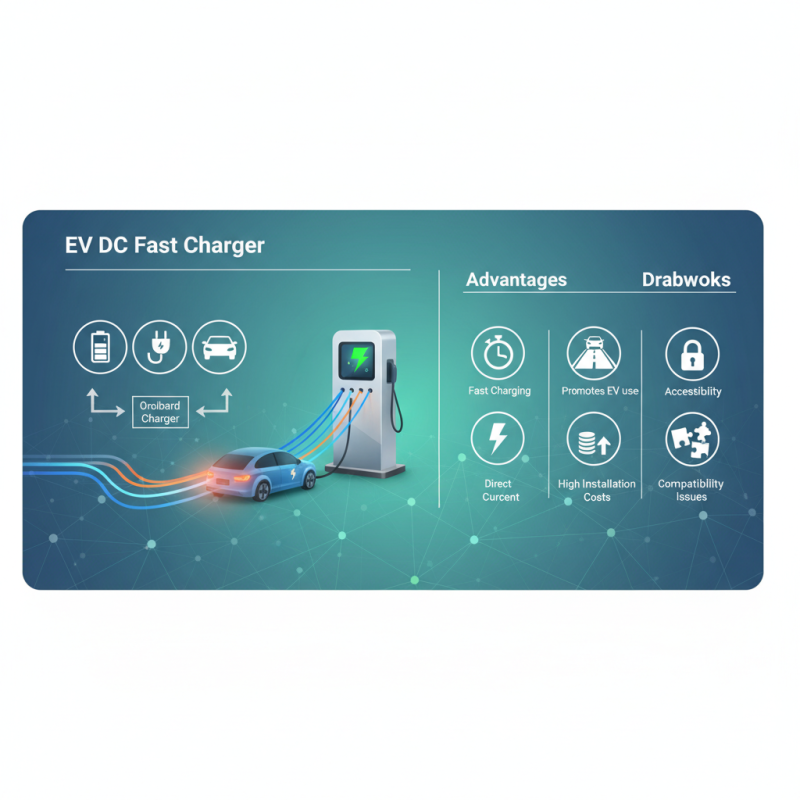
Understanding how this technology works involves delving into its components. The EV DC Fast Charger delivers direct current (DC) directly to the vehicle’s battery, bypassing the onboard charger. This process significantly reduces charging time. However, there are complexities and limitations to consider. Not all electric vehicles can utilize DC fast charging, and charging stations might not always be readily available.
Despite its advantages, the EV DC Fast Charger is not without its drawbacks. Accessibility can be an issue in some areas, and the installation costs can be high. Additionally, users might encounter compatibility issues between various electric vehicle models and charger stations. Reflecting on these factors can provide a deeper understanding of the evolving landscape of electric vehicle charging. The future of EV charging remains promising, yet it calls for continuous improvement and accessibility efforts.
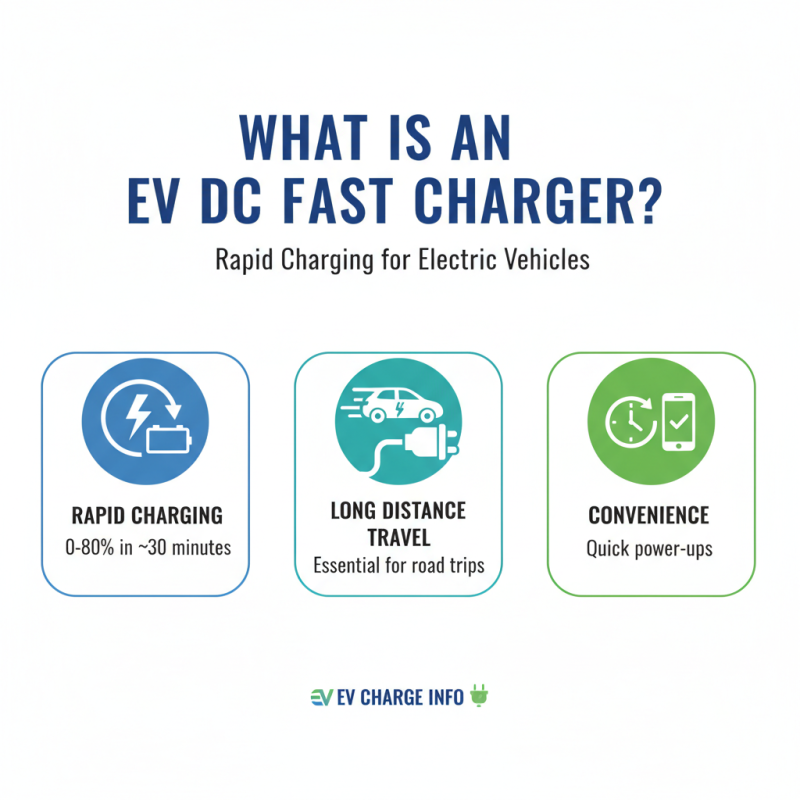
An EV DC fast charger is a crucial technology for electric vehicles. Unlike standard chargers, these devices offer rapid charging capabilities. They can restore a vehicle's battery to 80% capacity in about 30 minutes. This speed is essential for long-distance travel. Many people appreciate the convenience of quick charging during a busy day.
The technology behind DC fast charging is fascinating. It supplies direct current (DC) directly to the vehicle's battery. Traditional chargers use alternating current (AC), which takes longer to charge. However, not all electric vehicles support DC fast charging. Drivers must check their vehicle's compatibility before using these chargers. Understanding the specifications can save time and frustration.
While the benefits are apparent, there are concerns. The infrastructure for fast chargers is still developing in many areas. Some urban locations have sufficient charging stations, while rural areas struggle. Long wait times can sometimes occur when the demand is high. This inconsistency can be frustrating for users needing quick access to a charge.
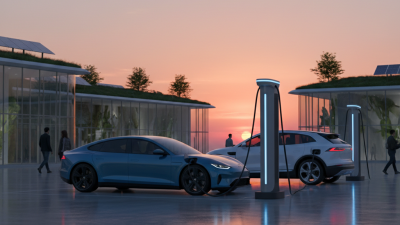
DC fast charging has emerged as a critical technology for electric vehicles (EVs). Understanding its key components helps in grasping how it powers vehicles quickly. The system mainly comprises a power conversion unit, charging cable, connectors, and the vehicle's onboard charger.
The power conversion unit takes AC power from the grid and converts it into DC. This conversion is crucial for fast charging. The charger delivers high power levels—typically up to 350 kW—allowing an EV to recharge rapidly. This is beneficial for users who need to get back on the road in minutes, not hours.
The charging cables and connectors are equally important. They must handle high currents safely and efficiently. These components need to be robust and reliable to prevent overheating or damage during the charging process. It’s worth noting that not all connectors are compatible with all vehicles, which can lead to frustration. This highlights the need for standardization in the industry, which is still a work in progress. The whole system’s efficiency also varies based on external factors, such as temperature, which sometimes leads to unexpected charging delays.
| Component | Description | Function | Typical Voltage | Charging Speed |
|---|---|---|---|---|
| DC Fast Charger | A charging station that uses direct current to charge the EV. | Provides rapid charging to electric vehicles. | 400V - 800V | Up to 350 kW |
| Onboard Charger | Device within the EV that converts AC to DC power. | Regulates charging current and voltage. | 300V - 600V | Varies (typically slow to moderate) |
| Charging Cable | Cable connecting the charger to the EV. | Transfers power from the charger to the vehicle. | N/A | N/A |
| Power Electronics | Components managing electrical energy flow. | Convert and control electricity for efficient charging. | N/A | N/A |
| User Interface | Display and controls for user interaction. | Allows users to initiate charging and monitor progress. | N/A | N/A |
Electric Vehicle (EV) DC fast chargers are critical for quick charging of electric vehicles. They convert AC power from the grid into DC power. This process enables a much faster charging rate than standard chargers. The mechanical components include a robust charging cable and a connector, ensuring a safe connection to the vehicle's charging port.
When an EV is plugged in, the charger communicates with the vehicle. This handshake exchange ensures optimal charging parameters. Voltage and current are adjusted based on the vehicle’s battery capacity. The cooling system in fast chargers prevents overheating, maintaining efficiency during the charge.
Tips:
Consider the location of fast chargers when planning long trips. Make sure to check local charging stations in advance. Additionally, always inspect the charging equipment for any damages before use. Regularly using fast chargers can wear the vehicle's battery over time, so combine them with home charging whenever possible.
DC fast chargers are revolutionizing the electric vehicle (EV) landscape. They provide quicker charging solutions compared to traditional chargers. According to the International Energy Agency, DC fast chargers can deliver up to 350 kW of power, significantly reducing charging time. This capability allows users to get back on the road in as little as 30 minutes. Quick refueling makes long-distance travel much more feasible for EV owners.
Adopting EV DC fast chargers offers numerous advantages. They improve charging infrastructure and user convenience. Data from EV-Volumes shows that the global market for DC fast chargers is projected to grow significantly, nearly doubling over the next five years. The widespread adoption of these chargers reflects a shift towards more convenient EV solutions. However, challenges remain, such as the initial investment and maintenance costs.
Studies indicate that faster charging stations can enhance the overall EV experience, encouraging more drivers to make the switch. Users benefit from reduced downtime, which is attractive in today’s fast-paced world. However, inadequate infrastructure in some areas poses a concern. Industry stakeholders must address these gaps to optimize the benefits of DC fast charging. The evolution of technology and infrastructure will ultimately determine the pace at which the EV market expands.
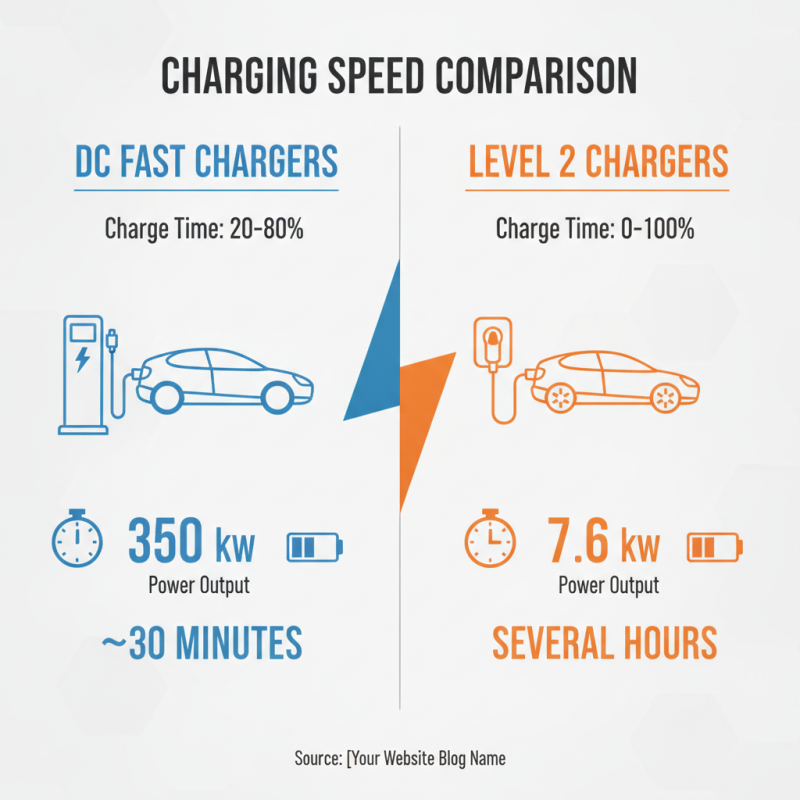
When comparing charging speeds, DC fast chargers and Level 2 chargers differ significantly. DC fast chargers can deliver a substantial amount of power, often up to 350 kW. This allows electric vehicles to charge from 20% to 80% in about 30 minutes, depending on the vehicle's capacity. In contrast, Level 2 chargers typically provide around 7.6 kW. The charging process takes longer, often several hours for a full charge.
DC fast charging is ideal for long trips. It supports quick stops, making it practical for drivers on the go. However, these chargers are less common. In many areas, finding one might be challenging. Level 2 chargers are more widely available, often found in homes and workplaces. They may take longer, but they are often sufficient for daily use. Many users charge overnight, eliminating the need for fast charging.
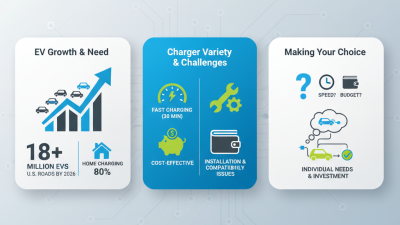
The choice depends on individual needs. For those who drive long distances frequently, a DC charger is a must. But if you're primarily driving locally, a Level 2 charger may be sufficient. Each option has its advantages and potential drawbacks. Users must reflect on their driving habits and charging needs to decide wisely.