Top EV Charging Equipment Trends for 2026 What to Expect
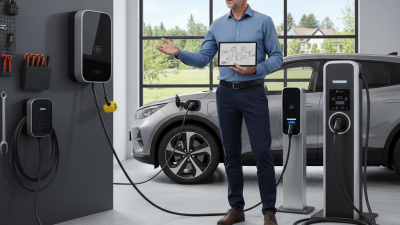
As we look towards 2026, the landscape of EV charging equipment is set to evolve significantly. Industry expert Dr. Emily Chang emphasizes, "The future of EV charging is about efficiency and accessibility." This insight reflects the growing demand for faster, more reliable EV charging options. Consumers and businesses alike are seeking solutions that enhance convenience while supporting the green transition.
Recent advancements in technology, such as ultra-fast charging stations and improved battery management systems, are shaping the market. Companies are investing heavily to meet these evolving needs. However, challenges remain. The infrastructure required to support widespread adoption of EV charging equipment is often lacking. Urban areas especially struggle with limited space for installations.
Moreover, the integration of renewable energy sources is essential. This will ensure that the electricity fueling EVs is sustainable. As we anticipate these developments, it's crucial to reflect on how fast the market is changing. The gap between consumer expectations and existing infrastructure needs attention. Understanding these dynamics will be vital for stakeholders in the EV charging equipment industry.
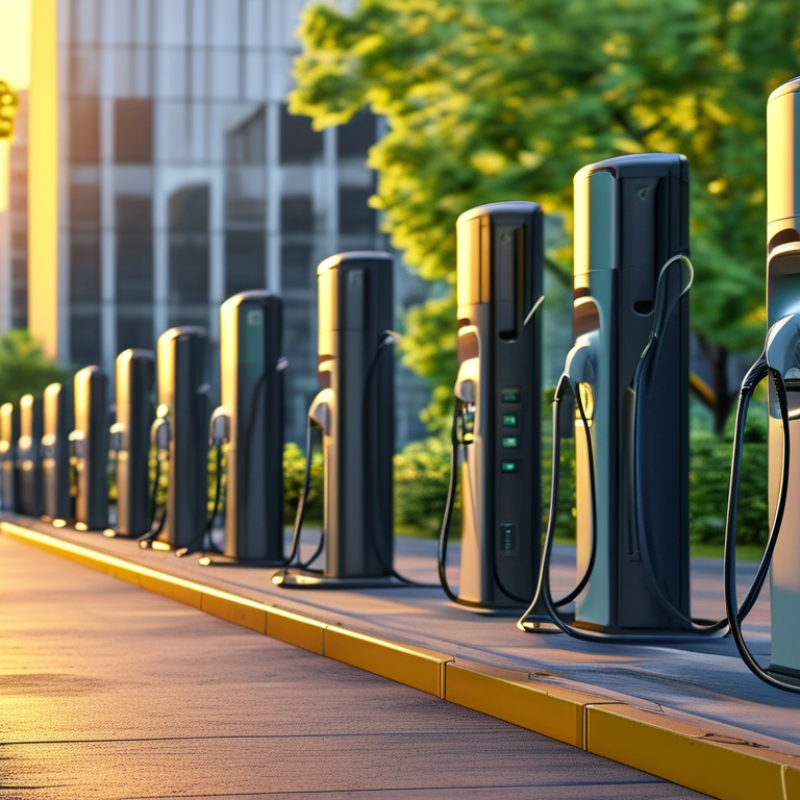
Emerging Technologies in EV Charging Equipment by 2026
As electric vehicle (EV) adoption accelerates, the charging equipment sector is experiencing rapid evolution. By 2026, several emerging technologies will likely reshape this landscape. According to industry reports, the global EV charging market is expected to reach USD 90 billion by 2026. This shift reflects growing consumer demand and advancements in technology.
One significant trend is the development of ultra-fast charging systems. These systems can deliver power at rates exceeding 350 kW, significantly reducing charging times. In some cases, a battery can gain a substantial amount of range in just 15 minutes. On another note, smart charging solutions are gaining traction. They allow users to schedule charging based on electricity prices, optimizing overall energy consumption. A report noted that incorporating smart technology could lower charging costs by up to 30%.
Wireless charging is another area of interest. Although still in its infancy, this innovation could simplify the user experience. Users may charge their vehicles by merely parking in a designated area. However, challenges remain, particularly in efficiency and cost. Different standards for wireless technology might hinder broader adoption. Integrating these advancements requires careful industry collaboration and regulatory support to realize their full potential.
Impact of Renewable Energy Integration on EV Charging Solutions
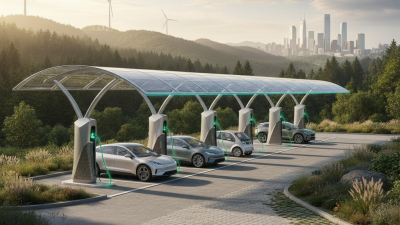
The integration of renewable energy into EV charging solutions is reshaping the industry landscape. As reported by the International Energy Agency, renewable energy sources are expected to power nearly 80% of new charging infrastructure by 2026. This trend not only supports sustainability goals but also enhances the grid's resilience.
Solar and wind energy are leading this transformation. Data from the U.S. Department of Energy shows that the number of solar-powered charging stations doubled in just the past two years. This shift creates opportunities for local energy production, resulting in lower costs for EV users. However, the fluctuation of renewable energy generation poses challenges. Many stations face supply inconsistencies, leading to potential charging downtime.
Innovation is crucial to overcoming these hurdles. Energy storage systems are becoming essential. They can store excess energy produced during peak periods and deliver it when demand rises. Studies indicate that integrating such systems might reduce charging costs by up to 30%. Despite these advancements, substantial investments are still necessary to streamline this integration effectively. These factors highlight the complexities of merging renewable energies with EV charging infrastructure.
Top EV Charging Equipment Trends for 2026
This chart illustrates the projected market share percentages for various EV charging equipment trends by 2026, highlighting the impact of renewable energy integration in the industry.
Advancements in Charging Speed and Efficiency for Electric Vehicles
The landscape of electric vehicle (EV) charging is rapidly evolving. By 2026, we expect to see significant advancements in charging speed. Ultra-fast chargers could become more common, reducing charging time to mere minutes. This could make long-distance travel more practical for EV users. Currently, some chargers are already achieving impressive speeds, but improvements are necessary to meet growing demands.
In addition to speed, efficiency is a key focus. Researchers are exploring methods to enhance energy transfer during charging. More efficient systems could minimize energy loss, lowering costs for both providers and users. Presently, some charger models face challenges with compatibility and charging variability. Addressing these issues will be crucial for broad acceptance and reliability.
Battery technology also plays a vital role. Lithium-ion batteries dominate today, but alternatives are being studied. Solid-state batteries promise higher energy densities and faster charging times. However, widespread adoption is still a challenge. Innovations must overcome manufacturing hurdles and cost concerns before they can be implemented on a large scale. As the industry progresses, users must stay informed and adapt to innovations that will shape their charging experience.
Trends in Smart Charging Infrastructure and Vehicle-to-Grid Systems
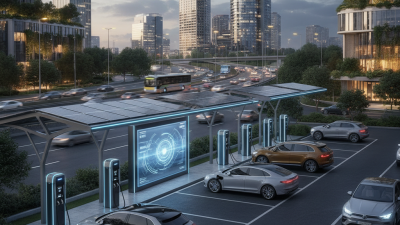
As we look towards 2026, the focus on smart charging infrastructure is becoming more pronounced. The integration of advanced technology will redefine how electric vehicles (EVs) connect to charging stations. Smart charging allows for real-time communication between vehicles and the grid. This mechanism optimizes energy flow based on demand and availability. Consequently, it aids in reducing costs and balancing load.
Vehicle-to-grid (V2G) systems also play a crucial role in this evolution. They enable EVs to return energy to the grid when demand peaks. This bidirectional charging capability enhances grid stability and offers financial benefits for EV owners. For many, the idea of utilizing their car as a mini-power plant is appealing. However, challenges in technology standardization and regulatory frameworks remain.
The potential of these systems is significant, but it is essential to proceed with caution. Cybersecurity concerns have emerged as a risk factor in a more connected energy network. Additionally, the infrastructure needs to be robust and reliable to handle increased usage. Many questions still linger regarding user adoption and education. Addressing these aspects is vital for realizing the full benefits of smart charging and V2G systems in the coming years.
Government Policies and Incentives Shaping the Future of EV Charging
Government policies play a crucial role in shaping the future of electric vehicle (EV) charging infrastructure. As more countries aim for a greener future, various incentives are emerging. Tax credits and rebates encourage both consumers and businesses to invest in EV charging stations. These financial supports make installations more feasible.
Additionally, many governments are implementing stringent regulations. They require fast charging stations in urban areas. This ensures that drivers have easy access to charging infrastructure. Local authorities may also provide grants for sustainable projects. This helps to streamline the installation process.
However, gaps exist. Not all regions receive equal support. Rural areas often lag behind in infrastructure development. This disparity raises concerns about accessibility for all drivers. The inconsistency can lead to frustration and hinder EV adoption. A balanced approach is essential to resolve these challenges and promote a sustainable transportation future.