2026 Best EV Home Charger Options for Every Electric Vehicle?
The transition to electric vehicles (EVs) is rapidly gaining momentum. In 2022, global sales of EVs reached 10 million units, a 55% increase from the previous year. The demand for reliable EV home chargers is essential for this growing market. With a projected CAGR of 32% for EV charging infrastructure until 2030, homeowners are increasingly looking for the best options.
EV home chargers come in various types and features. Finding the right charger can enhance convenience and efficiency. The average charging time can range from 4 to 12 hours, depending on the vehicle and charger type. Additionally, the installation process varies widely. Some homeowners may face unexpected challenges, such as the need for electrical upgrades.
As the EV market expands, so do the choices for home charging solutions. Potential buyers need to be informed. Not all chargers are created equal; features and compatibility differ greatly. Research indicates that about 40% of EV owners wish they had chosen a different charger. It’s crucial to reflect on the specific needs before investing in an EV home charger.
Top Features to Consider When Choosing an EV Home Charger
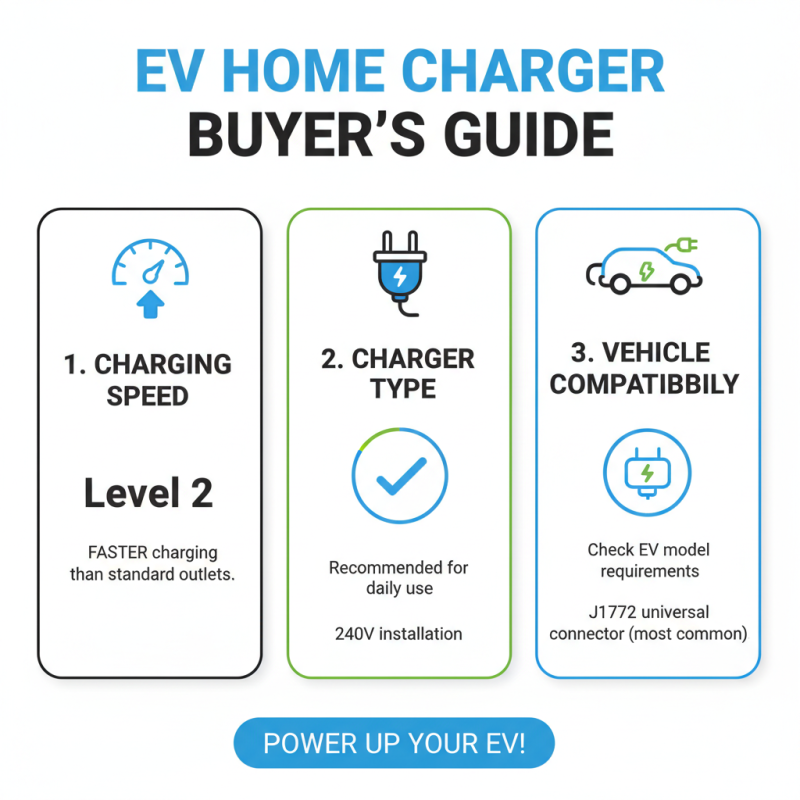
Choosing an EV home charger involves several key features. Charging speed is crucial. Level 2 chargers are often recommended. They provide faster charging than standard outlets. Consider your vehicle's charging compatibility. Not all chargers suit every EV model.
Connector types vary. Some models require specific connectors. It's vital to ensure compatibility. Installation is another factor. Professional installation may be necessary. Think about your home's electrical capacity. Upgrades might be needed, which can add costs.
Smart features can enhance your experience. Some chargers allow remote monitoring via apps. This can help manage charging schedules and energy consumption. However, the reliability of smart technology can be inconsistent. Charge timing also matters. Charging during off-peak hours is often cheaper. But this might not always align with your daily routine. Reflect on these elements when making your choice.
Compatibility with Different Electric Vehicle Brands and Models
When choosing an EV home charger, compatibility is key. Different electric vehicles (EVs) require various charging standards. Research indicates that around 90% of EVs sold today align with the Type 1 or Type 2 charging protocols. However, some brands still use unique connectors that can complicate matters. Understanding which connector your EV uses will save you time and ensure seamless charging.
Most chargers provide versatile compatibility. Yet, not all chargers meet the needs of every EV model. For instance, a charger rated for 32 amps may not fully charge a high-capacity EV battery. Keeping this in mind is crucial. Always check the specifications of both your EV and the charger before purchase. It’s essential to consider charging speed, as some vehicles recharge faster than others.
Tips: Invest in a charger that offers adjustable power settings. This feature allows users to optimize charging based on their EV model. Additionally, ensure that the charger is installed to accommodate your home’s electrical capacity. This small detail can prevent potential overload issues in the future. Charging should be convenient and reliable, not a hassle. Always do thorough research and verify compatibility before making a decision.
Charging Speed: Understanding Level 1 vs Level 2 Chargers
When it comes to charging electric vehicles (EVs) at home, understanding the differences between
Level 1 and
Level 2 chargers is essential.
Level 1 chargers use a standard 120-volt outlet. They are convenient and easy to use.
Most homes have these outlets available. However, they charge slowly, adding only a few miles
of range per hour. It can take over 24 hours
to fully charge an EV with this method. For daily use, this may not be practical.
Level 2 chargers operate on a 240-volt outlet. They offer faster charging speeds. With
Level 2, you can gain 10 to 60 miles
of range in just one hour. This is a significant improvement for most EV owners. However, installation
can be more complicated. You may need to hire an electrician. This could add to your initial
setup costs. Some people might struggle with that upfront investment, considering the ongoing
utility costs.
While Level 1 and Level 2 chargers serve different needs, each has its place. Depending on your
driving habits and home setup, you may find one more suitable than the other. Ensuring the right
fit can alleviate charging anxiety. But remember,
even the best charger cannot eliminate all the shortcomings. You'll need to plan your charging routine accordingly.
Smart Features and Connectivity in Modern EV Home Chargers
Smart home chargers for electric vehicles (EVs) are transforming the way we charge. They offer features that enhance convenience and efficiency. Many models support Wi-Fi, allowing users to control charging remotely. This means you can start or stop charging from anywhere. Some even send notifications to your phone about charging status.
Connectivity is essential for modern EV chargers. They often integrate with home automation systems. Imagine controlling your charger with voice commands or automating charging times to take advantage of off-peak electricity rates. These smart features can save money and time.
However, these technologies are not without their challenges. Compatibility issues may arise with certain EV models. It’s crucial to ensure that the charger matches your vehicle's specifications. Updates and connectivity can be finicky. This complexity can lead to frustration, especially for those less tech-savvy. While advancements are encouraging, they require users to stay informed and vigilant.
Installation Requirements and Cost Considerations for Home Chargers
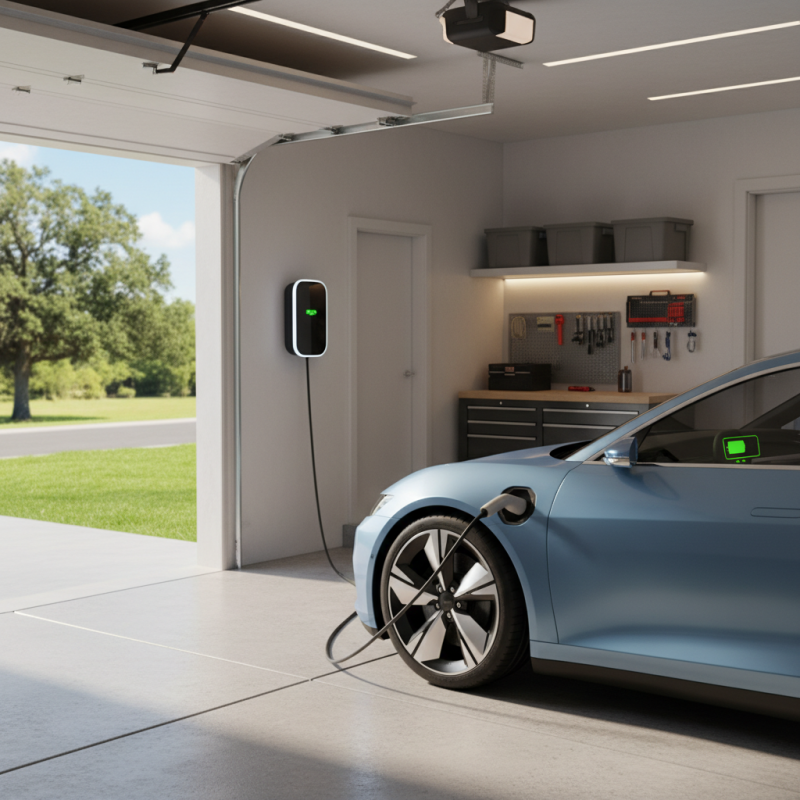
When considering a home charger for an electric vehicle, installation plays a critical role. You need the right setup in your garage. This often includes a dedicated circuit and sufficient voltage. Depending on the charger type, power requirements vary. Some installations may need electrical upgrades. It's essential to consult a professional to assess your home's power capacity.
Cost is another important factor. You might think about the price of the charger itself, but installation fees can add up. Many homeowners spend on average several hundred dollars for professional installation. These costs can increase if electrical work is necessary. It’s imperative to consider local regulations too. Permits may be required, affecting overall expenses.
Moreover, while some opt for a DIY approach, it can lead to complications. Missteps during installation can put your home’s wiring at risk. Investing time to research and ensure a safe installation is often worth the effort. Remember, a properly installed charger can enhance your EV experience significantly. But rushing the process can lead to regrets.
2026 Best EV Home Charger Options for Every Electric Vehicle
This bar chart illustrates the installation costs for different types of EV home chargers as of 2026. Level 1 chargers are generally less expensive, while DC fast chargers represent a significant investment due to their advanced technology and installation requirements.