As electric vehicle (EV) adoption accelerates, the demand for EV fast chargers is transforming. By 2026, this technology will undergo significant changes. The future landscape of EV fast chargers is essential for both infrastructure and consumer experience.
Innovations are emerging in charging speed and convenience. New designs will likely enhance accessibility for users. These advancements may help address range anxiety, a common concern among EV drivers. Moreover, sustainable energy sources will play a crucial role in powering fast chargers. This aligns with global efforts toward reducing carbon emissions.
However, challenges persist. The cost of implementing advanced charging networks is a concern. Furthermore, compatibility issues between different EV models remain unresolved. These factors necessitate ongoing reflection and improvement in the industry. As we approach 2026, understanding the trends in EV fast charger technology will be vital for fostering reliable charging solutions for the future.
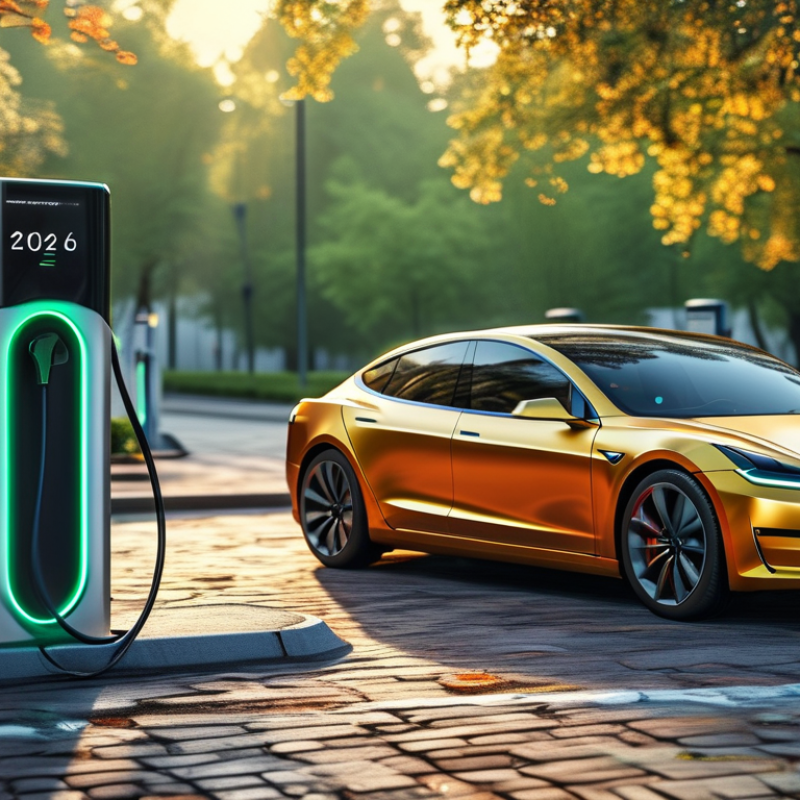
The landscape of electric vehicle (EV) fast charging technology is rapidly evolving. For 2026, several promising technologies are emerging, transforming how we recharge our electric vehicles. One significant trend is the development of ultra-fast charging stations. These can deliver up to 350 kW of power, significantly reducing charging times to under 15 minutes for a 100-mile range. According to a recent industry report by the International Energy Agency, this speed increase could lead to widespread adoption by making EVs more convenient for everyday users.
Another notable advancement is wireless charging. This technology eliminates the need for cables and connectors, enhancing user convenience. The Institute of Electrical and Electronics Engineers reports that the efficiency of wireless chargers has improved, now reaching 85%. Yet, challenges remain, such as the high cost of installation and the need for infrastructure upgrades. Some early adopters still report issues with compatibility and efficiency during charging.
Battery technology is also progressing. Fast charging is only as good as the battery it uses. Solid-state batteries offer a promising 30% increase in energy density, allowing faster charges and longer ranges. However, they are still in the development phase. Some manufacturers have faced production hurdles, causing delays. Investor reports indicate that while solid-state batteries are the future, substantial investment in research is still necessary to achieve mass production.
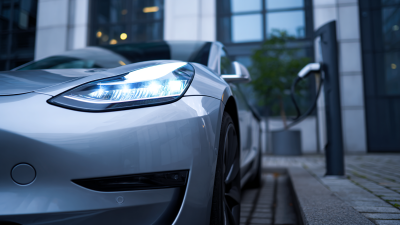
As the electric vehicle (EV) market continues to grow, advancements in battery technology are playing a crucial role. Improved batteries are now enabling faster charging speeds than ever before. The development of solid-state batteries, for instance, offers higher energy density and reduced charging times, making them a game-changer in EV charging technology. These batteries boast better safety and longer lifespans, which can enhance user experience.
Moreover, research shows that ultra-fast charging can significantly cut down the time needed to charge an EV. Charging stations may soon deliver 800V or higher, reducing charging duration to mere minutes. This shift demands an upgrade in infrastructure and technology. Many new charging solutions will rely on innovations like liquid-cooled cables and advanced power electronics, which help manage the energy flow more efficiently.
However, challenges persist. As faster charging methods emerge, the need for suitable charging infrastructure grows. Many regions still lack adequate supporting facilities. It's essential to address these disparities to ensure all EV users benefit from technological advancements. The integration of fast chargers with renewable energy sources presents both opportunities and hurdles. Enhancing accessibility while maintaining reliability will require ongoing debate and collaboration within the industry.
This chart illustrates the projected advancements in EV fast charger technology, showcasing the increase in charging speed from 150 kW in 2023 to an anticipated 400 kW by 2026. Advancements in battery technology are expected to significantly impact charging capabilities.
The integration of renewable energy in electric vehicle (EV) charging stations is becoming increasingly vital.
As per the International Energy Agency, renewable sources accounted for 57% of global electricity generation growth in 2022. This shift is crucial for reducing carbon emissions and enhancing energy security. Solar and wind energy are pivotal in this transformation, providing clean power to charging stations.
However, there are challenges to address.
The intermittent nature of renewable energy makes it difficult for charging stations to maintain a consistent energy supply. Energy storage solutions, such as batteries, are necessary. A recent report by McKinsey indicates that energy storage can boost renewable penetration by nearly 30%. Implementing these solutions requires significant investment and infrastructure overhauls.
Furthermore, some charging stations still rely heavily on the grid, which may be fueled by non-renewable sources.
This misalignment can undermine the sustainability goals of EV charging networks. Experts emphasize the need for better regulations and incentives to encourage integration. Many stations aren't maximizing renewable sources effectively. The path ahead is complex, yet engaging with these issues could enhance the overall eco-friendliness of EV infrastructure.
As we look towards 2026, the regulatory landscape for EV fast chargers is evolving rapidly. New policies are being introduced to support the expansion of electric vehicle infrastructure. Governments recognize the need for a robust charging network to promote EV adoption. This regulatory change is driving innovation in charger technology, with manufacturers focusing on enhanced efficiency and interoperability.
Enhanced charging speeds and user-friendly interfaces are now necessities, influenced by these regulations. For instance, strict guidelines ensure that chargers are accessible to all users. Emerging standards focus on environmentally friendly materials, ensuring sustainability in production. The aim is to create a seamless charging experience for all electric vehicle owners.
Tips: Consider the location of fast chargers in your area. Accessibility affects usage rates significantly. Also, keep an eye on local regulations that could impact charger availability. Explore community initiatives for public charging stations, as they often lead to more opportunities. Engaging with local policies can provide insights into future charging developments.
As electric vehicle (EV) adoption grows, user-friendly fast charger designs become essential. In 2026, innovations focus on accessibility and usability. Streamlined interfaces will simplify interactions. These designs aim to reduce wait times and enhance convenience for all users. Physical characteristics, including height-adjustable designs, will cater to different accessibility needs. A push towards universal connectors will eliminate compatibility issues, making charging seamless.
User experience also revolves around real-time feedback. Interactive displays will provide crucial information about charging status. Users will appreciate knowing their vehicle's estimated charging time. Alternative payment methods, including mobile apps and contactless systems, will enhance user convenience. Despite advancements, some chargers might remain difficult for certain users. Ongoing discussions about universal design principles are vital.
Additionally, locations will play a key role. Placing chargers in strategic areas, such as near shopping centers, will support user habits. Yet, placement challenges may arise due to space constraints. Addressing these issues requires collaboration with local authorities. Prioritizing user experience reflects the industry's commitment to making EV technology more accessible for everyone.