2026 Top EV Wall Charger Options for Electric Vehicles?
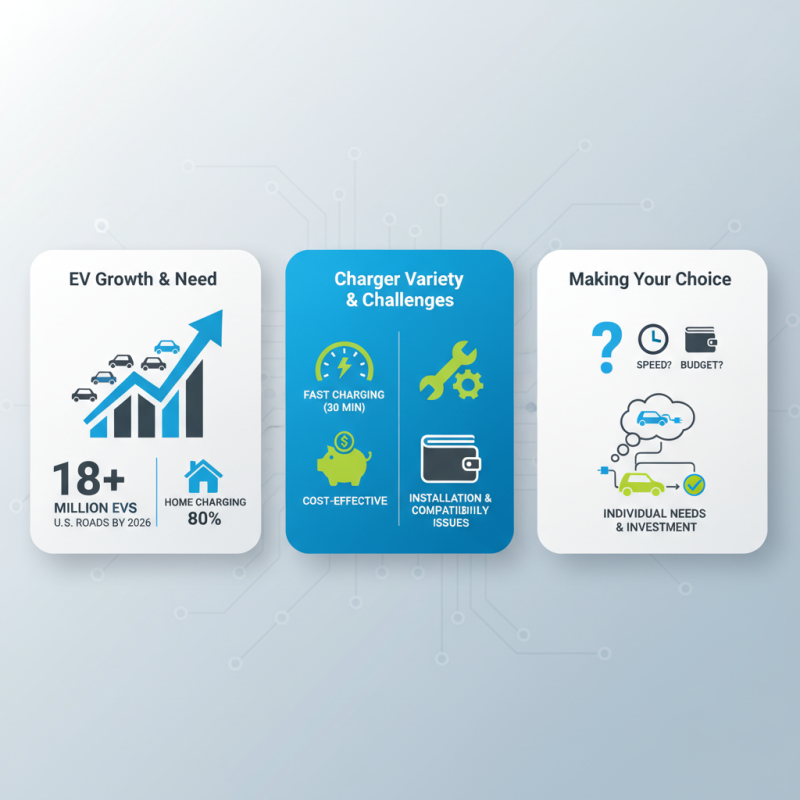
As electric vehicle (EV) adoption rapidly grows, the need for efficient EV wall chargers becomes critical. By 2026, it is estimated that there will be over 18 million EVs on the roads in the U.S. alone. This significant increase emphasizes the importance of reliable charging solutions. However, many consumers remain unaware of their options or the technological advancements available.
The variety of EV wall chargers on the market can be overwhelming. Some chargers offer fast charging capabilities, reducing wait times to just 30 minutes. Others prioritize cost-effectiveness but may lack convenience. According to recent industry reports, home charging solutions account for 80% of all EV charging, highlighting the significance of choosing the right charger. Yet, many users face challenges such as installation costs and compatibility issues.
Consumers must reflect on their specific needs. Is speed essential, or is budget the main concern? The perfect EV wall charger does not exist for everyone. Individual circumstances vary widely, prompting careful consideration before making a purchase. Ultimately, selecting an EV wall charger is a crucial investment as the electric vehicle landscape evolves.
Overview of Electric Vehicle Wall Chargers
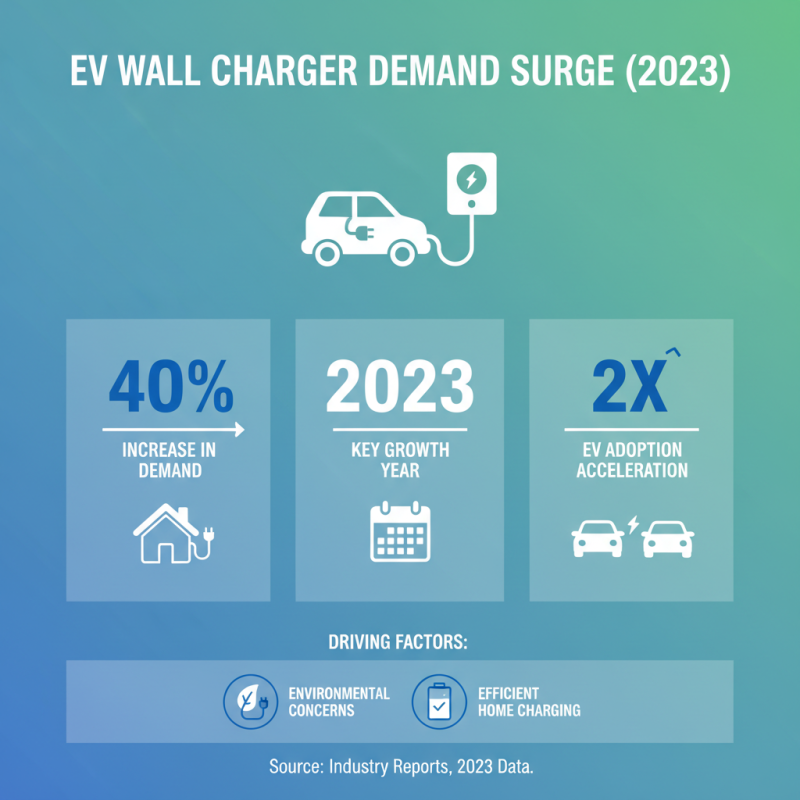
Electric vehicles (EVs) are revolutionizing the transportation sector. Wall chargers play a crucial role in this transition. In 2023, the demand for EV chargers surged by 40%. This growth is attributed to rising EV adoption and environmental concerns. Many households now seek efficient charging solutions.
Wall chargers come in various types. Level 1 chargers are slow but useful for overnight charging. Level 2 options offer faster charging speeds. Reports show that 80% of EV owners charge at home. Convenience drives this trend, but not all residences can install wall chargers. This limitation must be addressed as urban areas grow.
Installation costs can be a barrier as well. In some cases, homeowners face fees exceeding $1,500. Connecting to the grid may require upgrades, complicating the process. Moreover, the market lacks standardized features. Consumers often struggle to choose the best option. Research indicates that 65% feel overwhelmed by charger choices. Addressing these concerns will be vital in fostering widespread EV adoption.
Key Features to Consider When Choosing an EV Wall Charger
When selecting an EV wall charger, several key features are vital to consider. Charging speed is a primary factor. Level 2 chargers provide faster charging, typically delivering 25 to 30 miles of range per hour. In contrast, Level 1 chargers deliver a mere 4 to 5 miles per hour. According to the U.S. Department of Energy, home charging is most commonly done using Level 2 chargers for this reason.
Next, the power output matters significantly. Look for chargers with adjustable amperage settings, ranging from 16A to 40A. Higher amperage allows for faster charging. However, a charger that matches your vehicle’s capacity is essential for safety and efficiency. The National Renewable Energy Laboratory highlights that this precision can prevent overheating and prolong battery life.
Connectivity features are also gaining importance. Smart chargers can connect to Wi-Fi, enabling remote monitoring and control through mobile apps. These features allow users to track charging progress and schedule charging times. The growing trend indicates that over 30% of EV owners prefer chargers with smart functionalities. However, some drivers still use traditional chargers due to concerns about connectivity issues and data privacy. Balancing modern convenience with reliable performance is a challenging yet necessary decision for EV owners.
Top Brands Offering 2026's Best EV Wall Chargers
As electric vehicles grow in popularity, finding the right wall charger becomes crucial. Several brands stand out in 2026, offering various features suited for different needs. Homeowners often seek chargers with smart technology, allowing for remote access and scheduling. Fast charging capabilities are a significant plus. Users desire convenience and efficiency.
However, not all options are perfect. Some models can be complex to install. Compatibility with various EV models remains an issue. Users have faced difficulties in figuring out installation locations in their garages or driveways. A lack of clear guidance can be a real challenge.
Moreover, charging speed can vary widely between models. Some chargers claim fast charging but don’t always deliver. This inconsistency can lead to frustration. Potential buyers should consider their own driving habits and charging needs. Researching user experiences can provide valuable insights. The choices are vast, but thoughtful selection can lead to a satisfying charging experience.
2026 Top EV Wall Charger Options for Electric Vehicles
| Charger Type |
Charging Speed (kWh) |
Price Range |
Features |
Warranty Period |
| Level 1 Charger |
1.4 - 1.9 |
$200 - $600 |
Portable, Easy Installation |
1 Year |
| Level 2 Charger |
3.3 - 22 |
$500 - $1,500 |
Smart Features, Wi-Fi Connectivity |
3 Years |
| DC Fast Charger |
50 - 350 |
$10,000 - $40,000 |
High-Speed Charging, Commercial Use |
5 Years |
| Solar Charger |
1.5 - 6 |
$1,000 - $3,000 |
Eco-Friendly, Off-Grid Capable |
2 Years |
Comparison of Charging Speeds and Compatibility of EV Chargers
Choosing the right EV wall charger can be challenging. It's essential to compare charging speeds and compatibility. Different chargers offer various power outputs. This means that charging times can vary significantly. For example, some can provide a full charge in just a few hours. Others may take overnight or longer. It's crucial to consider your EV model's charging capacity as well.
When looking for compatibility, not all chargers suit all electric vehicles. Some models require specific connectors or power ratings. You should check the specifications of both the charger and your vehicle. It’s surprising how many people overlook this detail. This often leads to frustration when a charger doesn’t work as expected. Therefore, carefully reviewing compatibility can save time and energy.
Additionally, charging environments may differ. Home installations may require different setups compared to public charging stations. You might face obstacles like space limitations or electrical requirements. Reflecting on these factors can help make an informed choice. Ultimately, understanding your needs and options is crucial for the charging process.
Installation Tips and Requirements for Wall Chargers
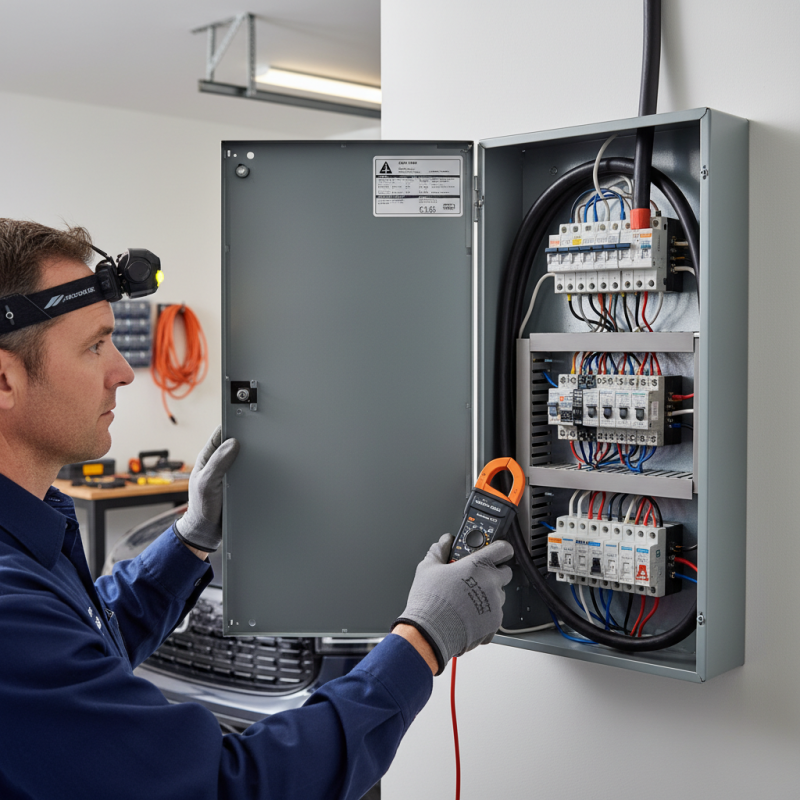
Installing a wall charger for electric vehicles (EVs) requires careful planning and consideration. First, you need to verify if your home’s electrical system can handle the additional load. Reports indicate that most homeowners need a dedicated circuit for a Level 2 charger, which draws more amperage. You might require an upgrade to a 200-amp service if your current capacity is lower.
It's also essential to think about the charger’s location. Install it near your parking area for convenience. Weatherproofing is crucial if it's outdoors. Remember, running long cables can result in power loss, so keep it short. Always consider future needs, too, as the number of EVs on the road is set to rise. A recent study forecasts that by 2026, a significant portion of vehicles on the road will be electric.
Here are a few tips. Ensure local codes align with your plans. Installing a charger often requires a permit, which varies by location. Sometimes, hiring a certified electrician is necessary. Be mindful of installation costs, as they can range widely. Not all homes are equally suited for chargers, and you might face unexpected hurdles. Keep an eye on potential obstacles during the installation process.