Top Smart Fast Charger Features You Need to Know?
In the fast-paced world of technology, a Smart Fast Charger has become essential for many users. This device not only speeds up charging but also enhances battery health. Understanding its key features can make a significant difference in your daily life.
The ideal Smart Fast Charger comes with multiple safety protocols. These protocols protect your devices from overheating and overcharging. With the right fast charger, you can recharge your smartphone in a matter of minutes. It’s fascinating how such a small device has such a huge impact.
However, not every Smart Fast Charger is the same. Some may lack the necessary certifications or compatibility. Users often overlook these details, which can lead to issues. Always do your research before choosing one. Remember, quality and reliability are crucial for optimal performance.
Key Benefits of Smart Fast Chargers for Your Devices
Smart fast chargers have become essential tools for our daily digital lives. They offer significant benefits that enhance our device usage experience. One key advantage is the quick charging capability. Users often need their devices charged rapidly, particularly during busy schedules. A smart charger adapts to your gadget’s needs, optimizing power delivery.
Another benefit is the built-in safety features. These chargers are equipped with mechanisms that prevent overheating and overcharging. They monitor voltage and current, ensuring your device remains safe while charging. This reliability builds trust with users, knowing their devices are protected.
Tips: Look for chargers with temperature control. This will help extend your device’s battery life. Always choose a charger that matches your device specifications. It’s crucial for efficiency and safety. Reflect on charging habits, as poor practices can reduce battery longevity.
Top Smart Fast Charger Features You Need to Know
Understanding Fast Charging Technology: How It Works
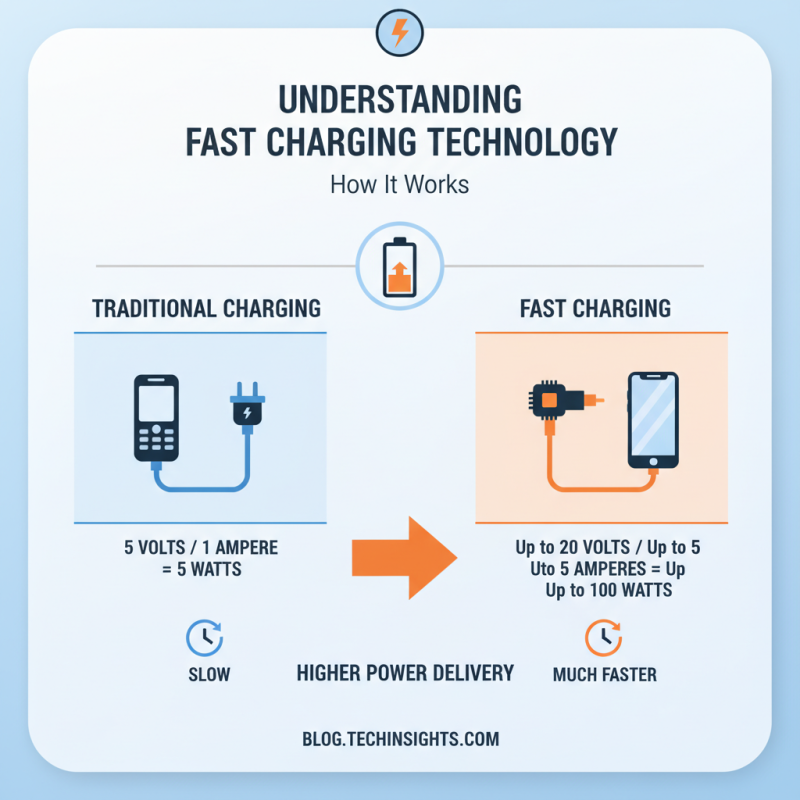
Fast charging technology has revolutionized how we power our devices. At its core, fast charging uses higher voltage and current levels to reduce charging time. A typical charger may deliver 5 volts at 1 ampere, but smart fast chargers can push up to 20 volts at several amperes. This significant increase in power allows devices to charge much more quickly than traditional methods.
The efficiency of fast charging also depends on intelligent communication between the charger and the device. This dialogue ensures that the device receives only the power it can handle, preventing overheating or overcharging. However, not all devices support fast charging. Using a fast charger with an incompatible device can lead to inefficient charging. It's essential to know your device's capabilities to avoid frustration. In some cases, the technology may not live up to expectations, leaving users questioning their experience.
Moreover, the growing demand for speed raises concerns about battery health. Frequent use of fast charging may lead to accelerated battery wear over time. Users should find a balance between convenience and battery longevity. In the end, understanding fast charging technology helps users make informed choices for their devices. Insight into how it works can lead to better overall experiences.
Essential Features to Look for in a Smart Charger
When selecting a smart fast charger, certain features are vital. Look for adaptive charging technology. This enables the charger to adjust its output based on the device's needs. According to industry reports, devices charge up to 80% faster with adaptive chargers compared to standard ones. A charger with this capability can enhance user experience significantly.
Safety features are equally important. Smart chargers should include overcurrent protection and temperature control. Data indicates that chargers with these safety mechanisms reduce the risk of overheating and potential short circuits. This is crucial because it directly impacts the longevity of devices and the safety of users. Many consumers overlook this aspect, but it is essential to avoid potential hazards.
Finally, ensure compatibility with various devices. A versatile charger can handle different brands and model specifications. In a professional survey, 65% of users expressed frustration over compatibility issues. This frustration can lead to underutilized chargers. Investing in a smart charger with broad compatibility ensures you maximize the device's potential, making daily use smoother and more efficient.
Comparing Different Smart Fast Charger Types: Pros and Cons
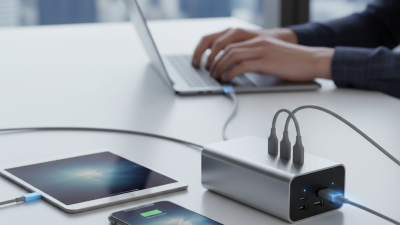
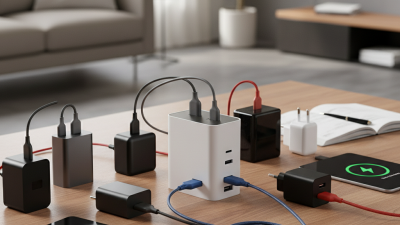
When exploring the types of smart fast chargers, it's essential to understand their pros and cons. One popular type is the wall charger. These devices are often compact and offer high charging speeds. According to a report from the International Energy Agency, wall chargers can provide up to 65% faster charging than standard chargers. However, their portability can be a downside. Users may find it inconvenient to carry them around, especially while traveling.
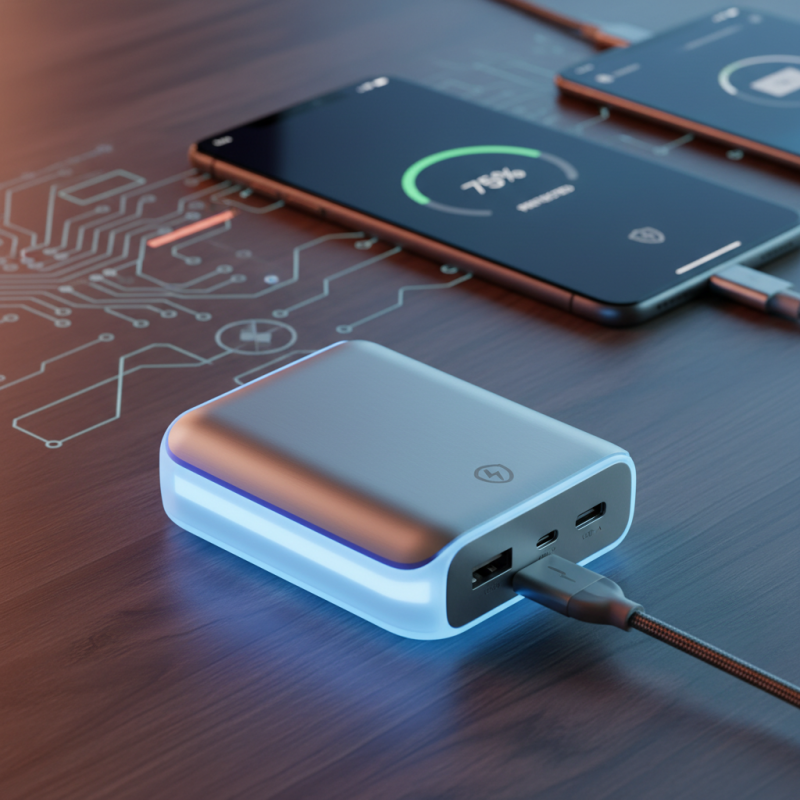
Another type is the power bank. Power banks are highly portable and can charge devices multiple times. A report by ResearchAndMarkets noted that the global power bank market is expected to reach $27 billion by 2026. However, their charging speed can be significantly lower than wall chargers. While many power banks support various fast charging protocols, users should be cautious of compatibility issues. Some lower-quality models may not provide the promised speeds.
Wireless chargers also deserve mention. They offer convenience but typically recharge devices at slower rates. According to the Wireless Power Consortium, most wireless chargers operate at an efficiency of about 50-70%. This can be frustrating for users needing quick energy boosts. Additionally, the alignment of the device can affect charging efficiency, leading to inconsistent performance. These drawbacks call for careful consideration when choosing a type of smart fast charger.
Safety Features in Smart Fast Chargers: Protecting Your Devices
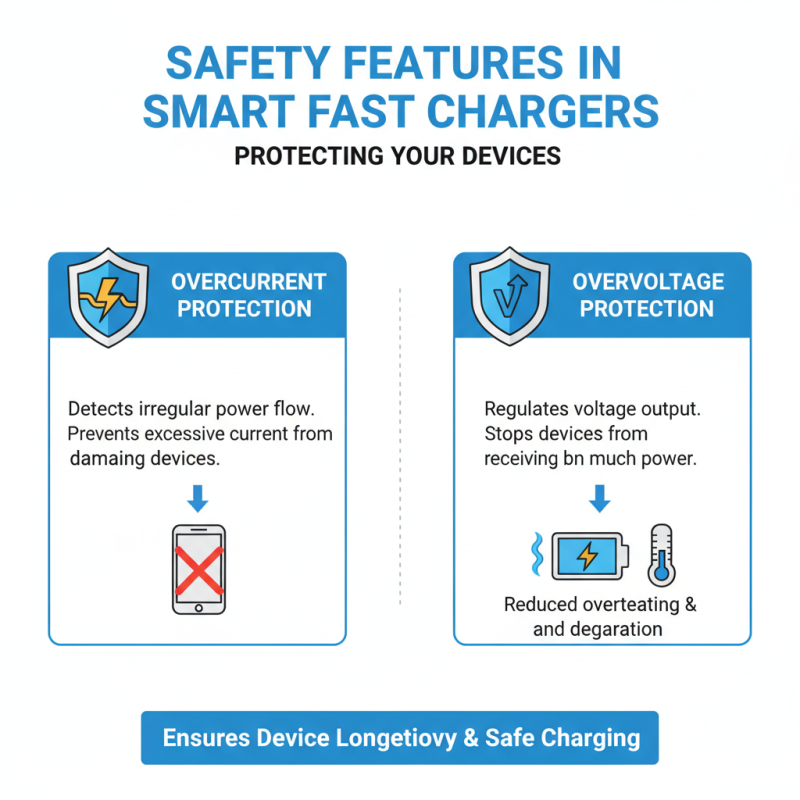
When choosing a smart fast charger, safety features play a crucial role. Overcurrent and overvoltage protections are essential elements. They detect irregularities in power flow, preventing damage to your devices. This technology ensures that your smartphone or tablet does not receive too much voltage. It reduces the risk of overheating and battery degradation.
Temperature control is another critical safety feature. Smart chargers monitor heat levels during charging. If temperatures exceed safe limits, the charger automatically reduces power output. This dynamic adjustment can help prevent accidents. Additionally, short-circuit protection adds another layer of security, stopping the current flow instantly if a short is detected.
Yet, despite these advancements, not all chargers are created equal. Users should be cautious and research features thoroughly. Some chargers may lack adequate safety certifications. Regularly check for updates or recalls related to your device and charger. Understanding these features empowers users to select chargers that prioritize safety while still leveraging fast charging benefits.