Why Choose a Smart DC Charger for Your Electric Vehicle?
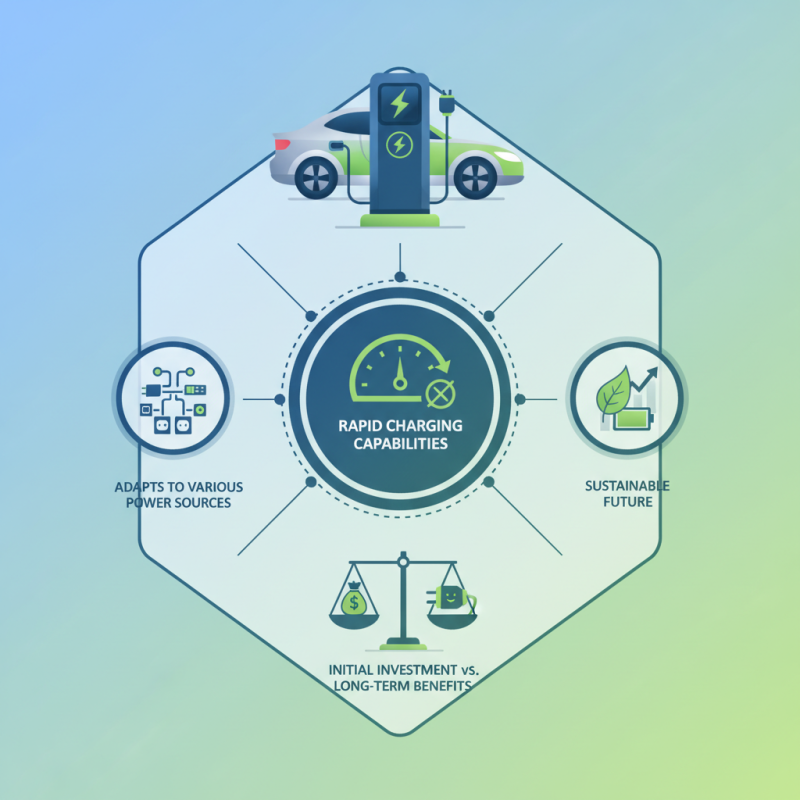
In the evolving landscape of electric vehicles (EVs), the need for efficient charging solutions is critical. Dr. Emily Harper, a leading expert in EV charging technology, emphasizes, "A Smart DC Charger is not just a convenience; it's essential for the future of sustainable transportation." The Smart DC Charger offers numerous advantages over traditional chargers. Its rapid charging capabilities significantly reduce downtime for EV owners.
Moreover, a Smart DC Charger adapts to various power sources, making it versatile for home and public charging stations. This adaptability ensures that EVs can be charged efficiently, no matter where you are. Despite these benefits, some users still have concerns about cost and installation complexity. These barriers often cloud their decision-making.
Choosing a Smart DC Charger requires careful consideration. Not everyone fully understands the long-term benefits. The initial investment may seem steep. However, the efficiency and convenience it offers often outweigh the upfront cost. In embracing this technology, we move toward a more sustainable future.
Benefits of Smart DC Chargers for Electric Vehicles
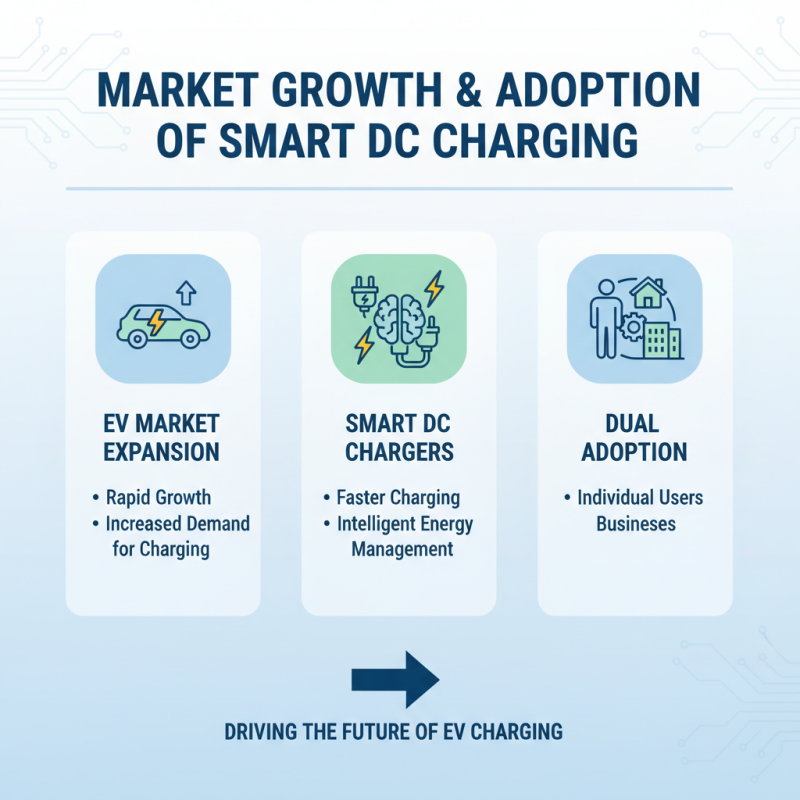
When it comes to charging electric vehicles, smart DC chargers offer distinct advantages. These chargers significantly reduce charging time, delivering a faster energy boost. In a busy world, time matters, and smart DC chargers excel in this area. They can charge your vehicle to 80% in under an hour. Imagine stopping for a coffee and leaving with a fully charged battery.
In addition to speed, smart DC chargers provide seamless connectivity. They often come with mobile apps that let users monitor charging status remotely. You can schedule charging during off-peak hours to save on costs. However, this technology isn’t perfect. Sometimes, connectivity issues arise, leading to frustration. Users may face glitches or delayed updates. Such challenges remind us that while technology advances, it is not infallible. Smart chargers are a step forward, yet they require improvements.
Understanding the Technology Behind Smart DC Charging
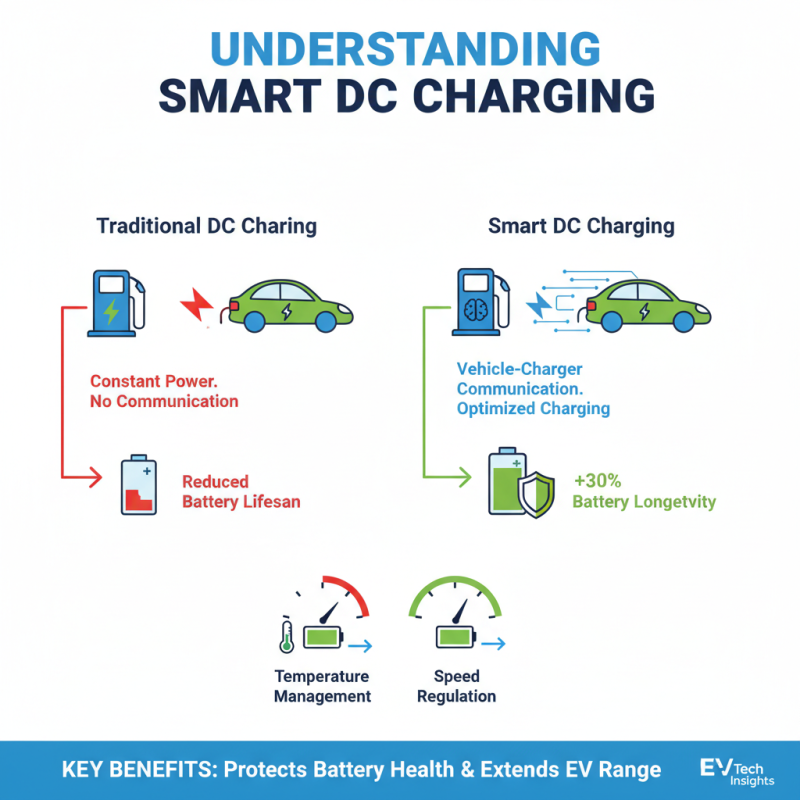
Smart DC charging technology is transforming how we power electric vehicles (EVs). Unlike traditional chargers, smart DC chargers communicate with the vehicle's battery management system. This ensures optimal charging speeds and protects battery longevity. Research indicates that using smart chargers can extend battery life by up to 30%. Many users may not realize the impact of temperature and charging speed on battery health.
The technology relies on real-time data and connectivity. Smart chargers adjust their output based on grid conditions and the vehicle's charge level. This flexibility helps prevent overloading the power grid, especially during peak demand hours. A recent report revealed that smart charging could reduce peak energy consumption by 15%. It’s fascinating but also troubling how many users are unaware of the benefits of this intelligent approach. The integration of renewable energy sources is another critical aspect. Smart chargers can harness solar or wind energy, reducing reliance on fossil fuels.
Critics often point out that these systems can be costly and complex. While more cities are adopting these chargers, execution can falter. Users must invest in a compatible EV and infrastructure to enjoy the benefits. There's a learning curve associated with smart DC charging. Awareness and education about this technology remain insufficient, which could hinder widespread adoption.
Comparative Analysis: Smart DC Chargers vs. Standard Chargers
In today's electric vehicle landscape, the choice between smart DC chargers and standard chargers can significantly impact your charging experience. Smart DC chargers are equipped with advanced features that optimize charging times and energy efficiency. They can communicate with the vehicle, adjusting the power output based on the battery's state. This ensures faster charging without harming the battery's longevity.
Standard chargers, although simpler, lack these adaptive capabilities. They provide a one-size-fits-all solution that can lead to slower charging and inefficiencies. While they may be sufficient for basic needs, users often find themselves frustrated with longer wait times and potential battery wear.
Tips:
- Consider your daily charging needs. If quick turnaround times are essential, smart chargers are more beneficial.
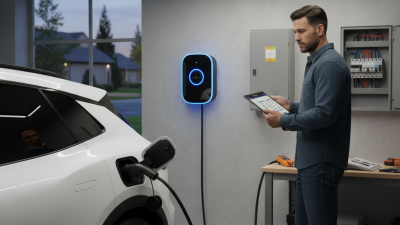
- Keep in mind, though, that installation can be more complex. If you're in a rental property, check with your landlord about installation options.
At the same time, weigh the cost versus features. A smart charger may require a higher upfront investment. Reflect on whether those benefits justify the expense for your specific situation. Over time, however, the savings in energy efficiency may outweigh initial costs.
Impact of Smart DC Charging on EV Range and Battery Longevity
Smart DC chargers are changing the game for electric vehicle (EV) users. Charging speed plays a significant role in optimizing driving range and enhancing battery life. Research shows that smart DC fast chargers can boost charging efficiency. This leads to less time spent waiting and more time driving. Reports estimate that DC fast charging can increase range by around 30-50 miles in just 30 minutes.
Smart charging stations also incorporate advanced technology. They can analyze battery health and adjust charging rates accordingly. Such features help prevent battery degradation. A study revealed that optimized charging could extend battery longevity by 20-30%. This means users could enjoy their EVs longer, reducing the need for replacements.
Tips for EV owners: Regularly check your charger settings. Ensure they align with manufacturer recommendations. Avoid charging at maximum speed all the time. Consider using lower charging rates during routine use to prolong battery life. Always keep your EV updated with software upgrades. They often include improvements for charging efficiency.