What is Off Grid Solar Ev Charger and How Does It Work?
The concept of the Off Grid Solar Ev Charger is transforming the way we think about electric vehicle (EV) charging. This innovative technology utilizes solar energy, allowing users to power their EVs without relying on the traditional grid. Imagine a self-sustaining system that captures sunlight, converts it into electricity, and powers your vehicle. Wouldn't that be amazing?
Many people question the practicality of an Off Grid Solar Ev Charger. Can it really meet daily charging needs? It may not suit every household, especially those with high energy demands. Additionally, installation costs can be a barrier for some users. However, the benefits are significant. With ongoing advancements in solar technology, efficiency continues to improve.
Exploring the functionality of an Off Grid Solar Ev Charger reveals both its potential and its challenges. It offers independence from fossil fuels, reducing environmental impact. But it also requires thoughtful planning and regular maintenance. Users must consider factors like energy storage, panel orientation, and local weather conditions. This technology calls for reflection on our energy consumption and sustainable choices for the future.
Definition of Off Grid Solar EV Charger
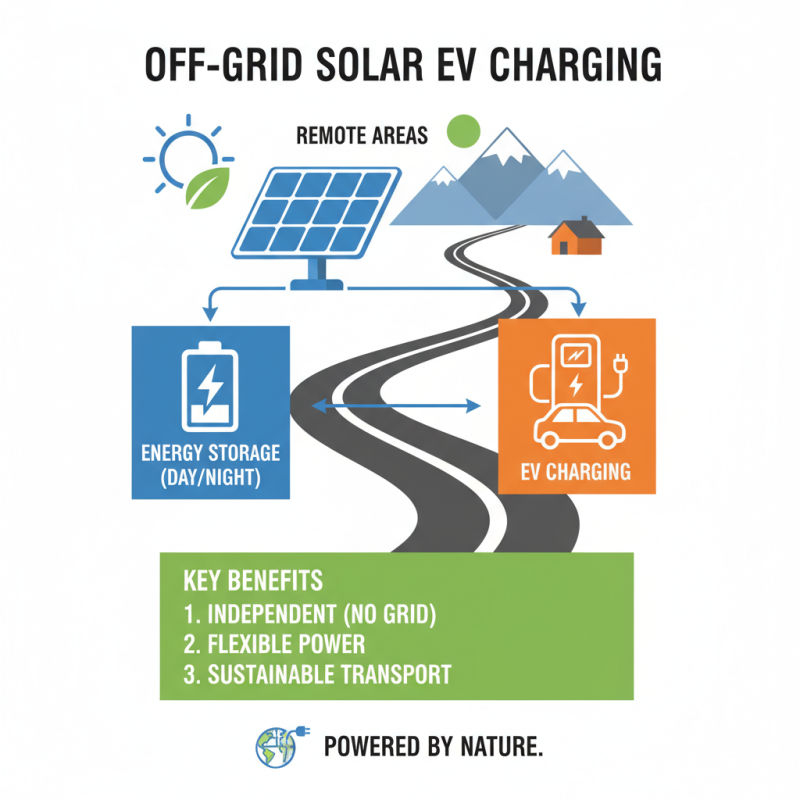
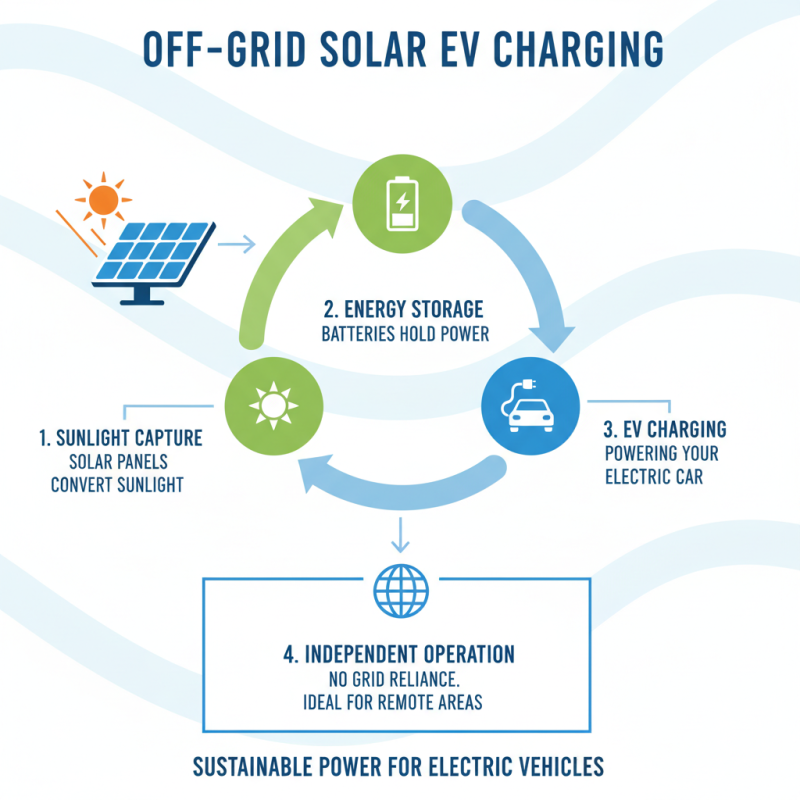
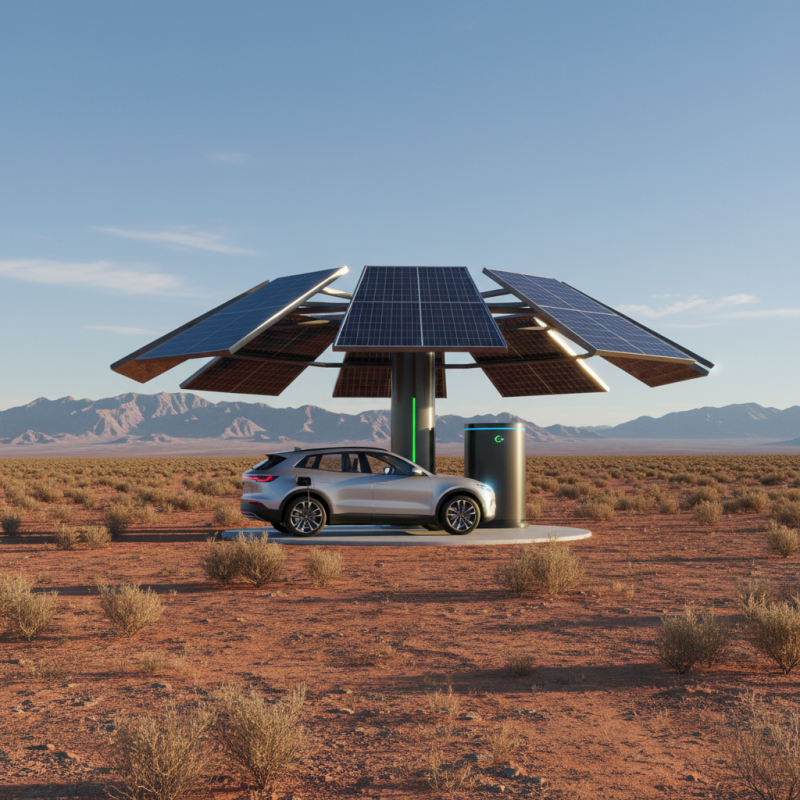
An off-grid solar EV charger is a system that charges electric vehicles using solar energy, independent of the main power grid. It consists of solar panels, a charge controller, batteries, and an inverter. This setup captures sunlight, converts it into electricity, and stores energy for later use. Users can enjoy the benefits of clean energy while being less dependent on conventional power sources.
This type of charger is ideal for remote areas where grid access is limited. Users can harness renewable energy efficiently. Yet, the initial cost can be significant. Additionally, some may struggle with fluctuations in solar availability. During cloudy days or winter months, charging may slow down. Planning for these variables is crucial. Understanding how to optimize solar intake can improve efficiency significantly.
An off-grid solar EV charger encourages self-sufficiency. It allows users to charge their electric vehicles anytime, anywhere. However, lifestyle choices must align with this technology. Users should consider their driving habits and energy consumption. Balancing solar production with daily needs is vital. Otherwise, reliance on backup power sources may increase, defeating the purpose of going off-grid.
Off Grid Solar EV Charger - Energy Costs Comparison
This bar chart shows the cost per kilowatt-hour (kWh) for different energy sources used in off grid solar EV charging. Solar energy is the most cost-effective option, followed by grid energy, while diesel generators are the most expensive.
Components of an Off Grid Solar EV Charger
An off-grid solar EV charger is a fascinating innovation in renewable energy. It combines solar power generation with electric vehicle charging. This setup allows users to charge their EVs without relying on the traditional power grid. Several key components work together to make this system efficient.
Solar panels are the heart of the system. They capture sunlight and convert it into electricity. The energy produced can vary based on weather and location. For optimal performance, it’s crucial to position the panels correctly. Battery storage units are essential too. They store excess energy generated during sunny days. When the sun sets, you can still charge your vehicle, but battery capacity can sometimes fall short. An inverter is also a critical component. It converts the direct current from the solar panels into alternating current, suitable for EV charging.
Wiring is often overlooked but is necessary for connecting these components. Poor quality wires can lead to efficiency loss. Ensuring everything connects well can be daunting. Regular maintenance is needed to prevent issues. Moreover, users should consider their energy consumption patterns. The system must be designed to meet specific needs. Balancing energy generation and usage can be challenging, but it is crucial for success.
How Off Grid Solar EV Chargers Generate and Store Energy
Off grid solar EV chargers utilize solar panels to generate power. They can charge electric vehicles without relying on the grid. This independence is beneficial for remote areas. The energy harvested during the day is stored in batteries for later use. These systems provide flexibility, especially where traditional power sources aren't available.
When it comes to energy storage, battery selection is crucial. Lithium-ion batteries are common for these systems. They can store significant amounts of energy and have a long lifespan, but they can be expensive. Lead-acid batteries, on the other hand, are more affordable but may not last as long. It's essential to weigh the options based on your needs.
**Tip:** Regular maintenance of solar panels can increase efficiency. A simple cleaning can remove dirt and debris that inhibit energy capture. Be mindful of cloud cover as well; energy production can vary significantly. Over time, investing in a quality charging system will usually save you money. Exploring diverse energy storage options can also lead to better sustainability.
Charging Process of Electric Vehicles with Off Grid Solar Systems
Off-grid solar electric vehicle (EV) chargers offer a sustainable way to power your electric car without relying on the grid. They use solar panels to collect sunlight, converting it into electricity. This process begins when sunlight hits the solar cells, creating a flow of electricity. This electricity is then stored in batteries for later use. The whole system operates independently, which can be particularly useful in remote areas.
Charging an electric vehicle using an off-grid solar system involves several steps. First, the solar panels must capture sunlight, which varies by location and weather conditions. The energy generated is stored in batteries, providing a consistent power supply. Once you plug in your EV, the charger draws energy from the battery. A charge controller manages the flow, preventing overcharging and ensuring safety. However, this process can be affected by factors like cloudy weather or inadequate battery capacity.
There are benefits, but also challenges. The initial setup cost can be high. And if your energy needs increase, you may need to upgrade the system. Some users find the process complex. It requires regular maintenance, such as cleaning the solar panels. These factors can make off-grid solar charging a bit daunting for some. Nonetheless, it remains a compelling option for those seeking energy independence.
Benefits and Challenges of Using Off Grid Solar EV Chargers
Off-grid solar EV chargers offer an innovative way to power electric vehicles. They harness sunlight, turning it into electricity without connecting to the main grid. However, this technology comes with both benefits and challenges.
One significant benefit is energy independence. Charging your EV off-grid means you rely less on traditional electricity sources. This can lead to cost savings over time. Furthermore, using solar energy contributes to environmental sustainability. Yet, there are challenges to consider. For instance, solar energy production is intermittently reliant on weather conditions. On cloudy days, charging might be inadequate.
Tips for optimizing your off-grid solar EV charging experience include investing in battery storage. This way, you can store excess energy for cloudy days or nights. Also, regularly maintain your solar panels. Dust and debris can significantly reduce efficiency. Lastly, plan your charging schedule around peak sunlight hours to maximize energy use. Balancing these aspects can enhance your off-grid experience, but it requires thoughtful adjustments. Consider what works for you.
What is Off Grid Solar EV Charger and How Does It Work? - Benefits and Challenges of Using Off Grid Solar EV Chargers
| Dimension |
Details |
| Type of Technology |
Solar Panel + Battery Storage + EV Charger |
| Power Output |
3 kW to 10 kW |
| Charging Time |
4 to 8 hours |
| Advantages |
Energy Independence, Reduced Carbon Footprint, Lower Operating Costs |
| Challenges |
High Initial Cost, Weather Dependency, Space Requirements |
| Typical Battery Capacity |
10 kWh to 30 kWh |
| System Longevity |
20 to 25 years for solar panels |
| Maintenance Requirements |
Minimal, regular cleaning and monitoring |