How to Install an Electric Vehicle Charger at Home?
As electric vehicles (EVs) gain popularity, the demand for home charging solutions is rising. The U.S. Department of Energy reports that over 3 million EVs are now on the road, highlighting the need for effective charging infrastructure. Homeowners are increasingly considering the installation of an Electric Vehicle Charger to meet their daily needs.
According to John Smith, a leading industry expert, “Investing in an Electric Vehicle Charger can significantly enhance the convenience of EV ownership.” However, the installation process is often complex. Many homeowners underestimate the importance of assessing their electrical systems. An improperly installed charger can lead to safety hazards.
Choosing the right charger is not just about compatibility; it also involves evaluating installation costs and local regulations. The journey to charging efficiency may be fraught with challenges. Potential complications often arise if local codes are not thoroughly understood. Homeowners should prepare for the unexpected as they embark on this essential upgrade.
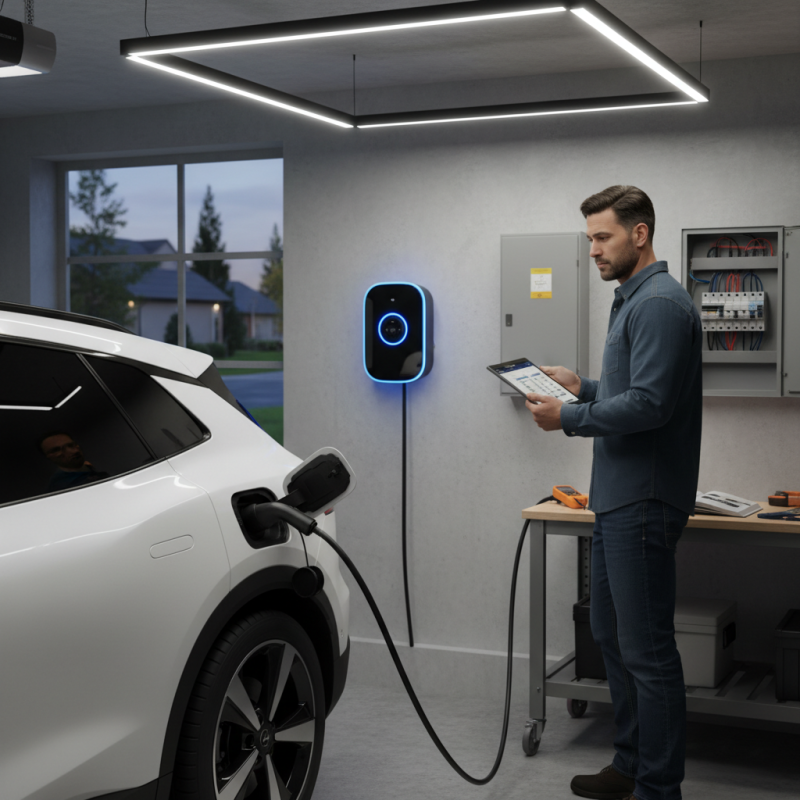
Understanding the Different Types of Electric Vehicle Chargers
Understanding the different types of electric vehicle chargers is essential for homeowners. There are mainly three categories: Level 1, Level 2, and DC Fast Chargers.
Level 1 chargers use a standard 120-volt outlet. They are the slowest option, offering only about 4-5 miles of range per hour. For many users, this is sufficient if the vehicle is parked overnight.
Level 2 chargers operate at 240 volts and provide faster charging. They can deliver 10-60 miles of range per hour, depending on the specific model and the vehicle. According to the U.S. Department of Energy, about 80% of electric vehicle owners opt for Level 2 chargers at home. However, their installation can be more complex and may require professional help.
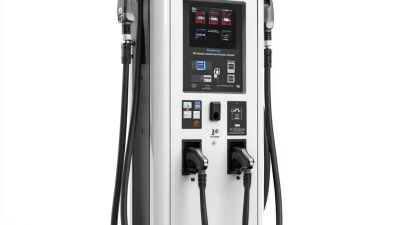
DC Fast Chargers are ideal for commercial settings or quick stops. They can charge a vehicle to 80% in about 30 minutes. However, few residential homes have these setup options. Many try to install them but face zoning restrictions or high installation costs.
It’s crucial to evaluate your situation. Are the installation complexities worth the speed? Consider your driving habits before making a decision.
Assessing Your Home's Electrical Capacity for Charger Installation
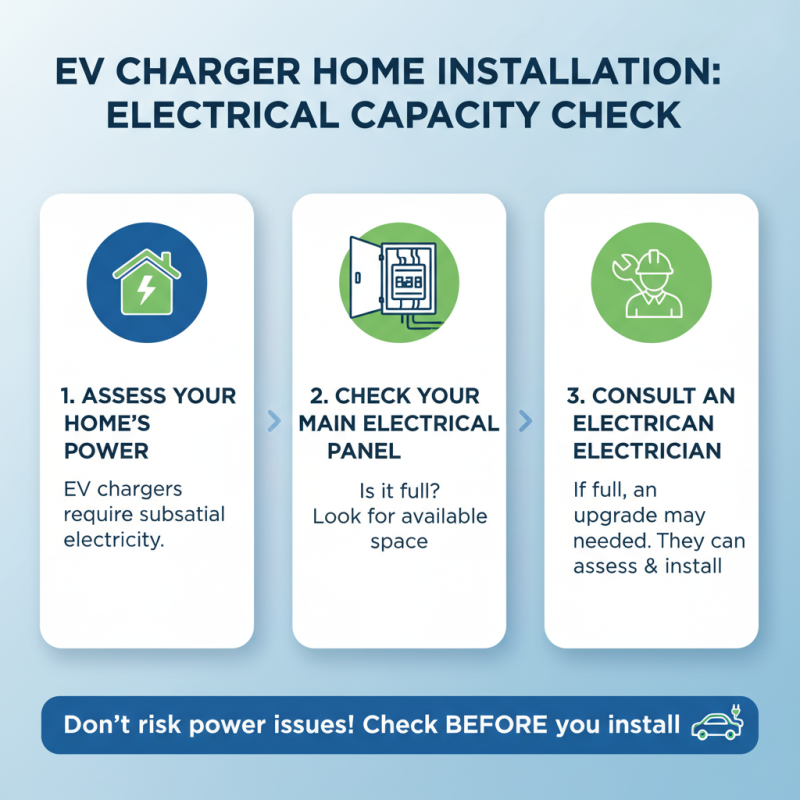
Before installing an electric vehicle charger at home, it's crucial to assess your electrical capacity. Many homes may not have the necessary power supply for a high-capacity charger. Start by checking your main electrical panel. Is it full? If yes, you might need an upgrade. An electrician can help with this assessment.
Consider the age of your wiring. Older homes may have outdated systems unable to handle additional load. If your home has three-phase wiring, it might support faster charging. If not, your options might be limited. Think about the placement of the charger too. It should be accessible but not obstructive.
Don't forget local codes. Different areas have specific regulations. Installing a charger may require permits. This adds time and costs. Sometimes, the project may feel overwhelming. That's normal. Take it step by step. Identify the limitations and plan accordingly. The journey to installing a charger can be enlightening.
Choosing the Right Location for Your Electric Vehicle Charger
Choosing the Right Location for Your Electric Vehicle Charger
When installing an electric vehicle charger at home, location is crucial. A well-placed charger can enhance convenience and efficiency. According to a recent industry report, 80% of EV charging occurs at home. This confirms that choosing the right spot can save time and reduce range anxiety.
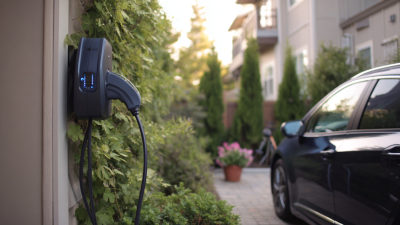
Consider the proximity to your parking area. A charger near your vehicle minimizes the length of the charging cable you need. This setup reduces potential safety hazards. If possible, position the charger in a sheltered area to protect it from weather conditions.
Tips: Keep in mind the accessibility for maintenance. The installation process can lead to unexpected challenges. Make sure the area is free from obstructions. Also, think about the electrical capacity of your home. An electrical panel upgrade might be necessary.
The garage or driveway is often ideal. However, not all homes have these options. Look at your home layout carefully. Sometimes, charging stations can be placed outdoors, but you must ensure they are securely mounted and properly wired. This can be a learning experience, so it’s okay to seek advice from professionals. Adaptability is key.
Step-by-Step Installation Process for Home EV Chargers
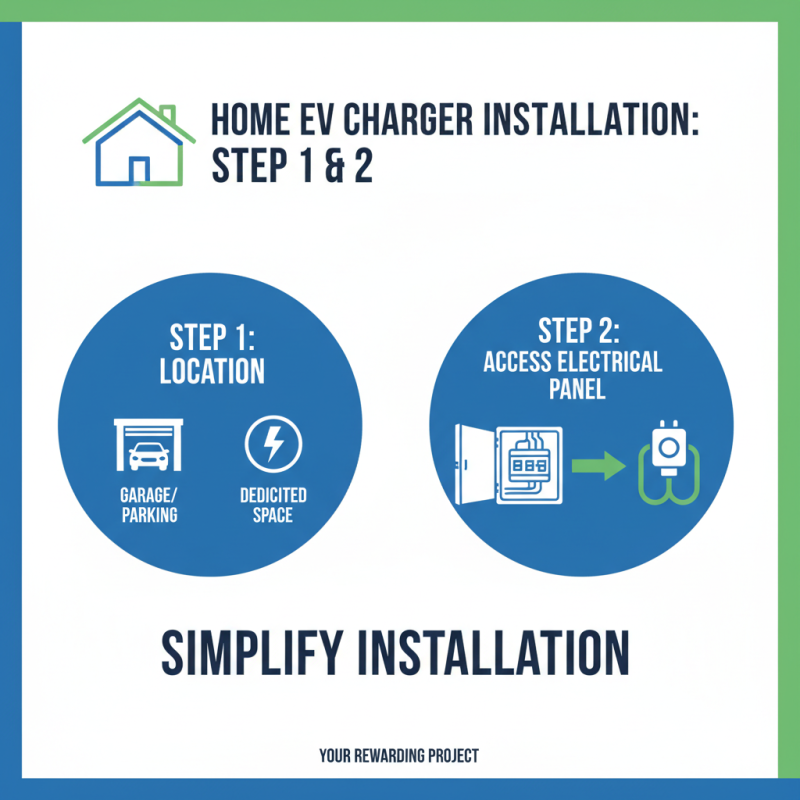
Installing an electric vehicle charger at home can be a rewarding project. Begin by choosing a suitable location. A garage or dedicated parking space is ideal. Ensure access to your electrical panel. This setup can simplify the installation.
Next, gather the necessary tools. You’ll need a drill, electrical tape, and a circuit tester. Make sure to check the power supply. Is it adequate? Some homes may require an upgrade. This step can be overwhelming for many, leading to second thoughts. Consider hiring a professional if unsure.
Once everything is ready, follow the installation guide. Connect the charger to your home's power system. Secure all wires and use the right fittings. Take your time. Rushing can lead to mistakes or safety hazards. After installation, test the charger thoroughly. A wiring mistake could cause issues later. It's important to ensure everything works correctly.
Safety Precautions and Maintenance for Home EV Charging Stations
Installing an electric vehicle (EV) charger at home is just the start. Safety precautions are crucial for long-term reliability. The National Fire Protection Association states that improper installation can lead to electrical fires. Always ensure your home’s electrical system can handle the added load. It’s advisable to have a licensed electrician assess your requirements before proceeding.
Regular maintenance of your home EV charging station is essential. Check for any wear and tear on cables and plugs. According to a recent report, around 15% of charging issues stem from faulty connections. Ensure that the charger is clean and free from debris. Dust accumulation can lead to overheating and reduced efficiency.
Consider using software updates for your charging station. Industry reports suggest that out-of-date charging software can hinder performance by up to 20%. Installing a surge protector can safeguard the charger from power spikes. Many overlook this, which can result in damage and costly repairs. Keeping a close eye on these aspects will ensure a safe charging experience at home.
Electric Vehicle Charger Installation Overview
This chart provides an overview of key metrics related to installing an electric vehicle charger at home, including estimated installation costs, monthly maintenance expenses, average charging time, and typical lifespan of the charger.