The Ultimate Guide to Choosing the Best Home Car Charger for Your EV
In the rapidly evolving landscape of electric vehicles (EVs), the importance of a reliable Home Car Charger cannot be overstated. As more drivers transition to electric mobility, having a suitable charging solution at home has become a crucial component of the ownership experience. This guide aims to simplify the decision-making process by covering essential factors to consider when selecting the best home car charger for your EV.
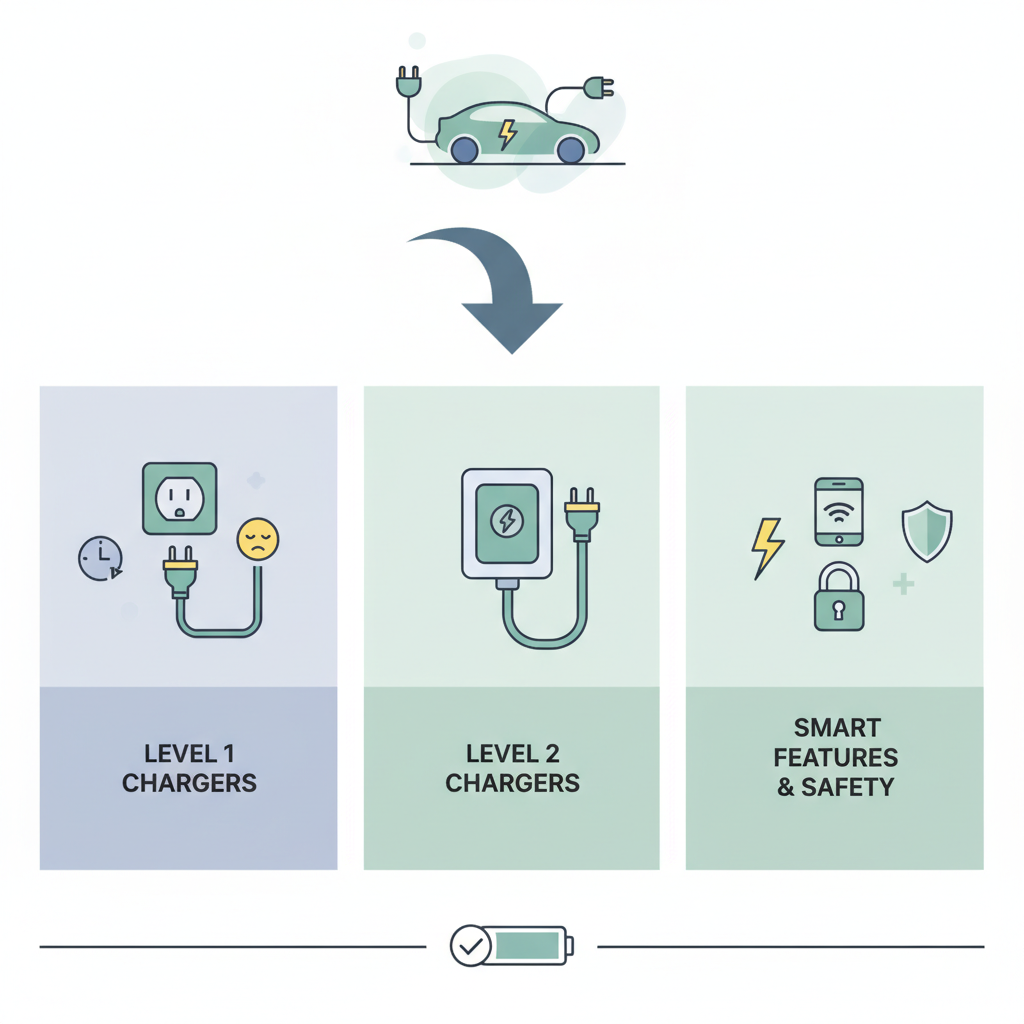
Whether you are a new EV owner or looking to upgrade your current charging setup, understanding the different types of chargers, their power ratings, and installation requirements is paramount. From Level 1 chargers that plug into standard outlets to faster Level 2 options that require professional installation, the range of choices can be overwhelming. Additionally, we will explore features such as smart technology integration and safety standards to help you make an informed choice that aligns with your driving habits and lifestyle.
By the end of this guide, you will be equipped with the knowledge necessary to select an efficient, convenient, and affordable Home Car Charger that meets your needs, ensuring that your EV is always ready to hit the road.
Understanding the Basics of Home Car Chargers for Electric Vehicles
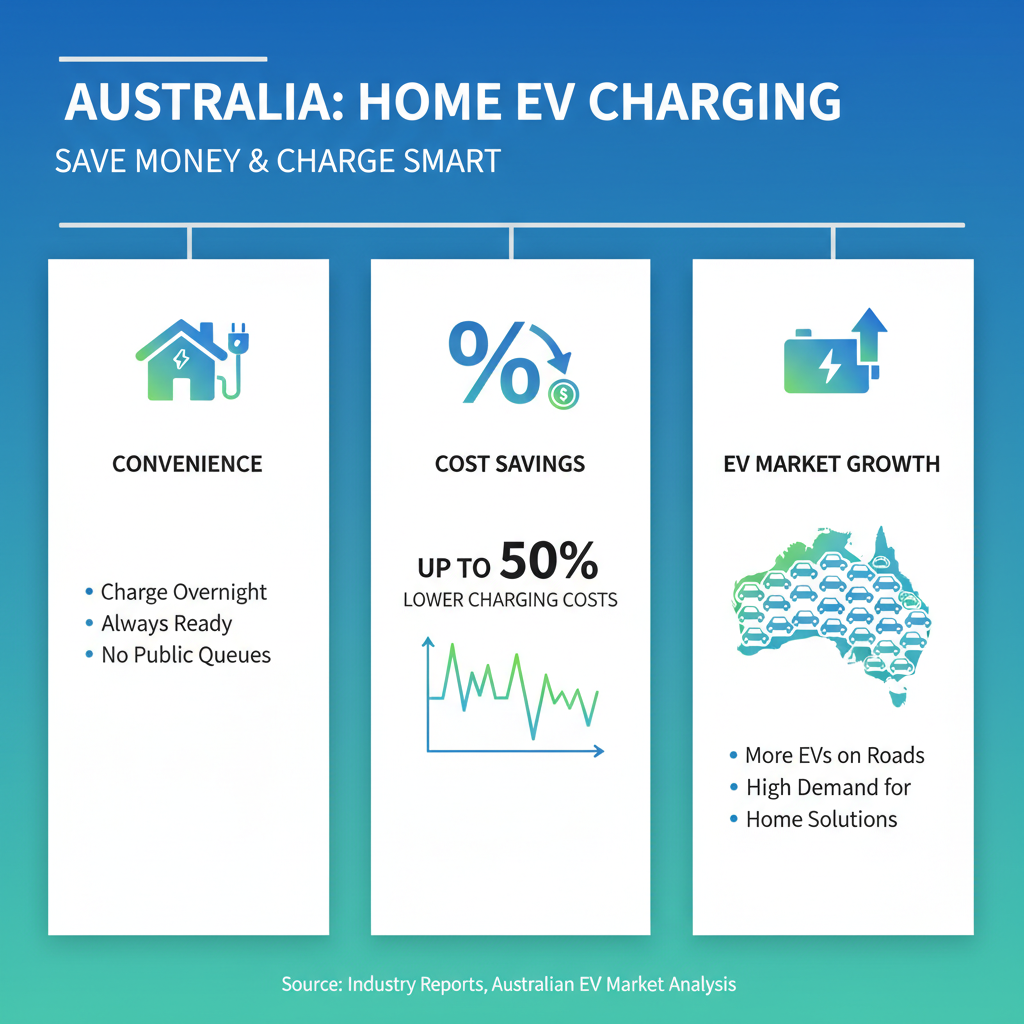
When considering the purchase of a home car charger for your electric vehicle (EV), understanding the fundamentals is crucial. The surge in Australia's EV market is prompting more drivers to explore the convenience and cost-effectiveness of home charging solutions. According to recent studies, installing a home EV charger can significantly lower charging costs compared to reliance on public stations. In fact, homeowners can save up to 50% on their charging expenses by utilizing a home charger, especially as electricity rates continue to fluctuate.
Additionally, the market for home EV chargers is evolving, with a variety of models available that cater to different needs. For example, many modern chargers are equipped with smart technology, allowing users to schedule charging during off-peak hours to take advantage of lower electricity rates. Home chargers also come with varying power outputs, with the capability to recharge an EV overnight, ensuring that vehicles are ready for daily commutes. The initial installation cost of a home charger can vary but is generally offset by long-term savings and the added convenience of charging from home. As the EV infrastructure expands, this choice empowers individuals to embrace electric mobility seamlessly.
Types of Home Chargers: Level 1 vs. Level 2 Explained
When it comes to selecting the best home car charger for your electric vehicle, understanding the distinction between Level 1 and Level 2 chargers is crucial. Level 1 chargers use a standard 120-volt outlet and typically provide a charging rate of about 4 to 5 miles of range per hour. This option may suffice for those who do not drive extensively daily, as it can simply plug into an existing outlet. However, it is generally considered a slower and less efficient method for charging, especially for EV owners with longer commutes.
On the other hand, Level 2 chargers operate at 240 volts, enabling a significantly faster charging experience. These devices can deliver anywhere from 10 to 60 miles of range per hour, making them ideal for regular drivers and households with multiple electric vehicles. According to industry analyses, the market share of Level 2 chargers continues to grow, currently dominating the EV charging sector with a substantial portion of the overall sales. Investing in a Level 2 charger not only enhances convenience but also supports the increasing shift towards more efficient home EV infrastructure, which is projected to expand as the demand for electric vehicles rises.
The Comparison of Level 1 and Level 2 Home EV Chargers
Key Features to Consider When Selecting a Home Car Charger
When selecting a home car charger for your electric vehicle (EV), it's crucial to consider several key features that align with your charging needs. One of the most important aspects is the charging speed, typically measured in kilowatts (kW). Most residential chargers range from 3.3 kW to 11 kW, impacting how quickly your vehicle can be charged. According to a report by the U.S. Department of Energy, a Level 2 charger can recharge an EV in a few hours, significantly faster than a standard household outlet.
Another critical feature is compatibility with various EV models. Not all chargers work with every vehicle, so check for connectors that match your EV’s requirements. Furthermore, smart charging capabilities, like Wi-Fi connectivity and mobile app integration, allow for better management of charging schedules, potentially lowering electricity costs during peak hours. A recent survey by the Electric Vehicle Council found that 60% of EV owners prefer chargers with smart technology to optimize their charging times.
Tips: Consider investing in a charger with built-in safety features, such as overcurrent protection and surge protection, to ensure safe operations. Additionally, assess the length of the charging cable; longer cables provide more flexibility for installation and usage.
Evaluating Installation Requirements for Your EV Charger
When selecting the best home car charger for your electric vehicle (EV), evaluating installation requirements is crucial. As the electric vehicle market expands, various studies project significant growth in the U.S. battery electric vehicle (BEV) fleet, alongside a rising need for charging infrastructure by 2032. This ongoing transformation necessitates homeowners to consider electrical capacity, parking space, and proximity to breaker panels when installing their chargers. Notably, a comprehensive study on electric vehicle charging needs highlights that an estimated 27 million EVs may require up to 120 million charging ports across the country, illustrating just how vital proper installation is for future-proofing home charging solutions.
Furthermore, many states, like Maryland, are initiating inspection programs to ensure reliability and safety at public charging stations. Homeowners should be mindful of local regulations, as permits are often required for the installation of charging stations. This entails assessing not just the technical requirements but also compliance with state mandates. As commercial real estate evolves to accommodate more charge points, the residential sector must adapt in parallel, ensuring that home installations are efficient and aligned with broader infrastructure strategies aimed at supporting the booming electric vehicle market.
Cost Considerations: Budgeting for Your Home Charging Solution
When it comes to choosing a home car charger for your electric vehicle (EV), understanding the cost considerations is crucial. Budgeting effectively can help you select the right charging solution that not only meets your needs but also fits within your financial constraints. Prices for home chargers can vary significantly based on features like charging speed, brand, and installation complexity. Generally, a Level 2 charger is recommended for faster charging, but these units will typically come at a higher upfront cost.
Tips: To keep costs manageable, start by determining your budget and consider the long-term savings of installing a Level 2 charger. Additionally, check for local rebates or tax incentives aimed at EV owners, which can significantly offset initial expenses. Installing a smart charger may also provide savings opportunities by allowing you to charge during off-peak hours, reducing your electricity bill.
Moreover, don’t forget to factor in installation costs, which can vary based on the existing electrical setup in your home. Hiring a qualified electrician can ensure safety and compliance with local codes, but be sure to obtain multiple quotes to find the best deal. Researching different financing options or payment plans can also alleviate the financial burden of your investment in a home charging solution.