How to Choose the Best Home Fast Charger for Your Devices?
In today's fast-paced world, having the right Home Fast Charger is essential. As devices become integral to our lives, the demand for efficient charging solutions has skyrocketed. According to Statista, over 2.5 billion smartphone users worldwide in 2023 require quick charging capabilities. A reliable charger is crucial to keep up with these needs.
Many consumers overlook key factors when selecting a Home Fast Charger. Compatibility and charging speed are vital, but there is also safety to consider. Reports indicate that improperly chosen chargers can lead to device damage or battery failure. This raises questions about consumer knowledge and the impact of poor choices.
As we navigate the market, it's easy to be misled by flashy features. Not all fast chargers deliver the same performance. Understanding the specifications is key to making an informed decision. A thorough evaluation is necessary to find a charger that truly meets your needs. With the right information, consumers can avoid potential pitfalls and enhance their charging experience at home.
Factors to Consider When Choosing a Home Fast Charger
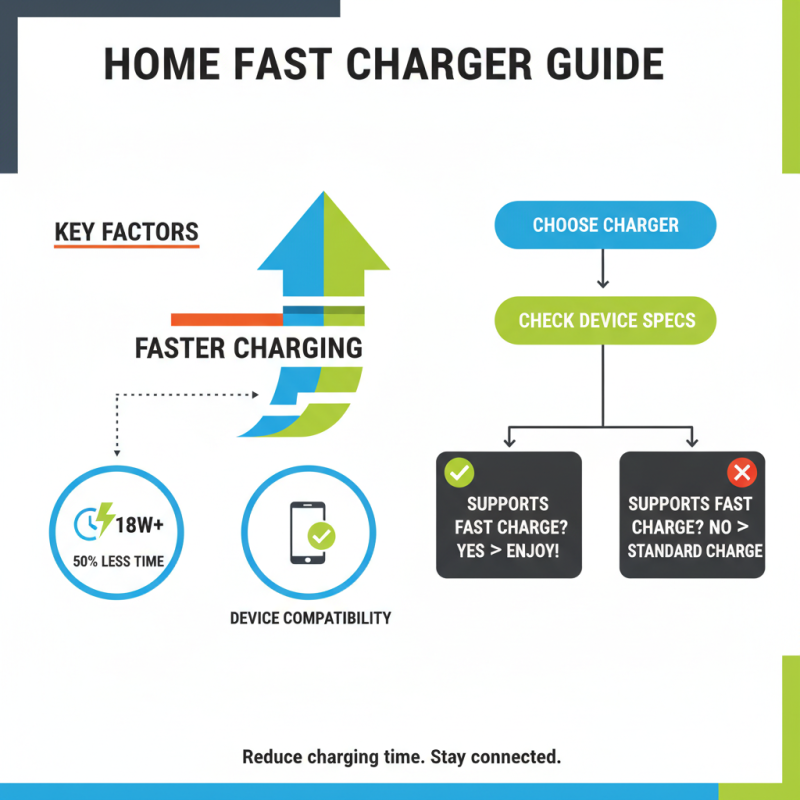
When choosing a home fast charger, several factors come into play. The charging speed is paramount. Most fast chargers can deliver at least 18W. Reports indicate that this can reduce charging time by 50% compared to standard chargers. However, not all devices support these speeds, which means you need to check device compatibility.
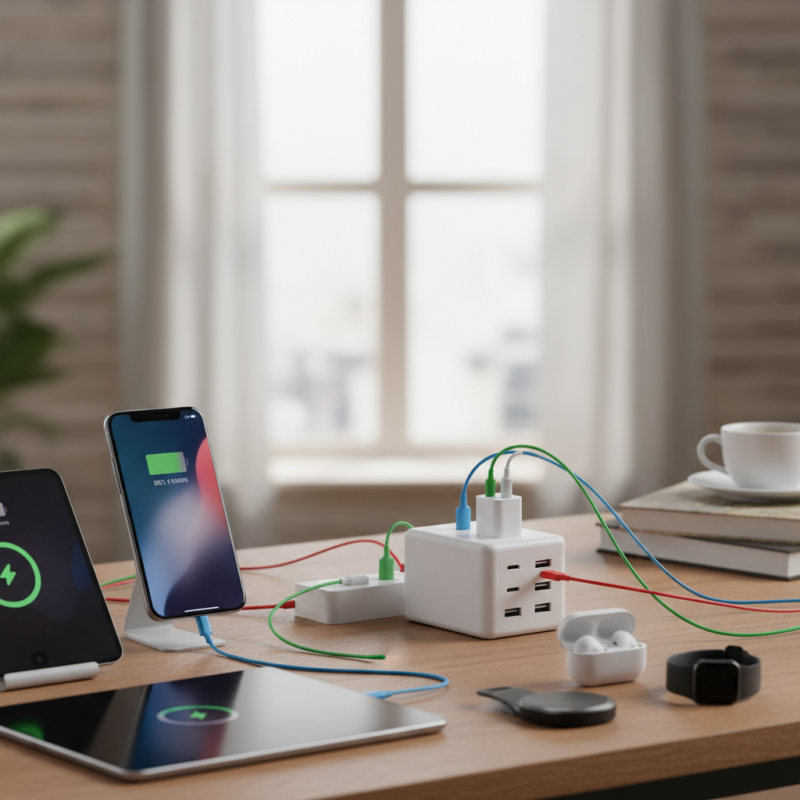
Another important consideration is the number of ports. Many home chargers now offer multiple USB ports. This means you can charge multiple devices simultaneously. According to industry data, chargers with at least two ports are becoming increasingly popular. This feature addresses the common issue of device overcrowding, where multiple family members need charging at once.
Safety features are crucial too. Look for chargers with built-in protections against overcharging and short-circuiting. In one recent survey, over 30% of users reported concerns about charger overheating. Thus, investing in a fast charger with these safety measures is essential. Quality control and device recognition can help ensure a safe charging experience, reducing the risk of damage to your devices.
Types of Fast Chargers Available for Different Devices
When exploring fast chargers, consider the specific devices you use. Different gadgets require unique charging methods. For smartphones, a USB-C PD charger is an excellent choice. It delivers rapid charging speeds, often less than an hour for a full battery. Many people miss this detail, opting for generic chargers instead, leading to longer charge times.
Tablets tend to need more power than phones. A higher wattage charger ensures efficient charging when multitasking. Some users overlook that not every cable supports high-speed charging. This can lead to frustration as devices take longer to charge. Ensure the cable matches the charger’s capability for optimal performance.
Laptops often require dedicated chargers. Many users utilize their phone chargers, thinking it will suffice. This can lead to battery wear over time. Additionally, some wireless chargers claim to be fast, but their performance can vary significantly. Testing different types might be necessary to find the perfect match for your lifestyle.
Comparison of Fast Charger Types and Their Output Power
Compatibility with Your Devices: Ensuring Optimal Charging
When choosing a home fast charger, compatibility is key. Not all chargers are suitable for every device. Check the specifications of your devices first. Each device has its own charging needs. A charger with the wrong voltage can harm your device. Mismatched power levels might cause slower charging or overheating.
Consider the connector type as well. Many devices use different connectors. A charger that fits one device may not fit another. It's easy to overlook this detail. Another common mistake is underestimating power output. Fast charging requires specific wattage. If your charger doesn’t provide enough power, charging will be slow.
Look for chargers with multiple output options. This can improve versatility. You might have different devices with varying needs. It’s wise to invest in a charger that meets most of them. Remember to read reviews before purchasing. Real user experiences can highlight compatibility issues. Take your time to avoid regrets later.
How to Choose the Best Home Fast Charger for Your Devices? - Compatibility with Your Devices: Ensuring Optimal Charging
| Device Type |
Charging Standard |
Max Output Power (W) |
Cable Compatibility |
Notes |
| Smartphone |
USB Power Delivery |
20W |
USB-C |
Compatible with most modern smartphones. |
| Tablet |
Qualcomm Quick Charge |
18W |
USB-C / Micro USB |
Check device for charging protocol. |
| Laptop |
USB Power Delivery |
60W |
USB-C |
Ideal for charging compatible laptops. |
| Wearables |
Proprietary |
5W |
Compatible charger required |
Not universally compatible; check the device. |
Safety Features to Look for in Fast Chargers
When selecting a fast charger for your devices, safety features are crucial. According to a 2022 industry report, nearly 43% of consumers prioritize safety in their charging devices. Look for chargers with over-voltage protection. This feature prevents excess voltage from damaging your gadgets. Chargers with over-current protection are equally important. They can safeguard your device by stopping charging when the current exceeds safe levels.
Inspecting the materials used in chargers is a wise step. High-quality, fire-resistant materials reduce risks. Additionally, devices that have UL certifications indicate they meet safety standards, reassuring users about their quality. Many chargers come with built-in temperature control systems. These systems monitor heat levels, helping to prevent overheating during charging sessions.
Tips: Always check for visual indicators on chargers. An LED light can show charging status and alert you if issues arise. Understand that not all fast chargers fulfill the same safety criteria. Some may lack crucial features, leading to potential dangers. Read reviews carefully. In certain cases, a cheap charger might cause more harm than good. Choosing wisely makes a difference.
Understanding Charging Speeds and Their Impact on Your Devices
Choosing the right fast charger for your devices can greatly affect their performance. Understanding charging speeds is essential. Devices often have different charging capabilities. A higher wattage might charge your smartphone quickly, but it can be harmful if overused.
Many people don’t realize how their decisions impact battery health. When charging too fast, batteries heat up. Heat can shorten battery life over time. It’s vital to balance speed with care. Consider how often you use your devices. If you frequently recharge, prioritize quality over speed.
Different devices may require different fast chargers. Some devices may not fully benefit from high-speed charging. Slow charging can sometimes be better for your device’s longevity. Reflect on your habits. Ask yourself if you truly need that extra speed. The goal should be to maximize both efficiency and battery health.