How to Choose the Best Home Car Charger for Your EV?
Choosing the right Home Car Charger for your electric vehicle (EV) can be daunting. Expert electrician Laura Finch emphasizes, "Not all chargers are created equal." This statement highlights the importance of understanding your options. With various models available, selecting one that suits your needs can feel overwhelming.
The market offers numerous Home Car Charger types, from Level 1 to Level 2. Each comes with its own charging speed and installation requirements. For instance, a Level 2 charger is more efficient but may need professional installation. Consider your daily driving habits before making a decision.
Many buyers overlook the importance of compatibility. Some chargers work better with certain EV models. This can lead to inconvenience later on. Lastly, think about future needs, such as charging multiple vehicles. A well-chosen Home Car Charger can enhance your EV experience significantly. But, the right choice requires careful thought and consideration.
Understanding EV Charging Levels: Level 1, Level 2, and DC Fast Charging
When choosing a home car charger for your electric vehicle (EV), understanding the different charging levels is crucial. Level 1 charging uses a standard 120-volt outlet. This option requires minimal setup. It's ideal for overnight charging and works well for those with daily commutes under 40 miles. However, it may not suffice for quick charging needs.
Level 2 charging, on the other hand, utilizes a 240-volt outlet. This type of charger is more efficient and reduces charging time significantly. Many find this the optimal solution for daily use. You can fully charge your EV in just a few hours. Yet, installation costs and electrical upgrades might be necessary, which could be a setback for some homeowners.
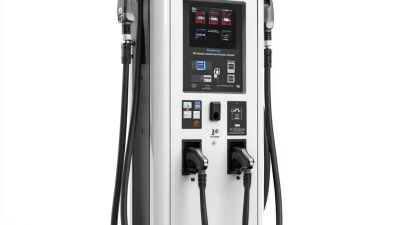
DC Fast Charging offers rapid charging capabilities. These stations can charge an EV up to 80% in about 30 minutes. While this isn't typically available for home use, it's increasingly common in public locations. Understanding your charging habits will help determine which level is best for you. Take your time to assess the options; otherwise, you may invest in equipment that doesn't meet your needs.
Comparison of EV Charging Levels
This chart illustrates the charging speeds of different EV charging levels. Level 1 provides a slow charging rate of about 4 miles per hour, while Level 2 significantly increases this to around 25 miles per hour. DC Fast Charging offers the fastest charging option, delivering approximately 100 miles per hour.
Key Factors to Consider When Selecting a Home Charger for Your EV
When selecting a home car charger for your electric vehicle (EV), several key factors come into play. Compatibility with your specific EV model is crucial. Not all chargers work with every vehicle type. According to a recent industry report, approximately 30% of EV owners face compatibility issues. This mismatch can lead to frustration and wasted time.
Charging speed is another vital consideration. Home chargers typically range from Level 1 to Level 2. Level 1 chargers offer slower charging times, often taking up to 20 hours for a full charge. In contrast, Level 2 chargers can fully charge an EV in 4 to 8 hours. This difference significantly impacts daily usability. Evaluating your driving habits will help determine what speed suits you best.
Cost is also significant. The average installation cost can vary, with estimates ranging from $300 to over $1,500. This variation is influenced by factors such as local labor rates and the complexity of the installation. It's essential to weigh the initial costs against potential savings on fuel and maintenance over time. Making an informed choice requires balancing these elements. Many buyers may overlook their long-term needs, which can lead to regret down the line.
How to Choose the Best Home Car Charger for Your EV? - Key Factors to Consider When Selecting a Home Charger for Your EV
| Feature |
Description |
Importance |
| Charging Speed |
Measured in kW, this determines how quickly your EV will charge. |
High |
| Connector Type |
Different EVs have different plug types. Ensure compatibility. |
High |
| Installation Requirements |
Consider if your home needs electrical upgrades for the charger. |
Medium |
| Smart Features |
Functions like scheduling, monitoring, and remote control. |
Low |
| Warranty |
Length of warranty coverage offered by the manufacturer. |
Medium |
| Price |
Total cost of the home charger including installation fees. |
High |
Assessing Power Capacity: Amperage and Voltage for Efficient Charging
When selecting a home car charger for your electric vehicle (EV), power capacity is crucial. Amperage and voltage significantly affect charging efficiency. Most chargers come with different amperage levels. A higher amperage leads to faster charging. However, not all electrical systems can support high amperage levels. Be mindful of your home wiring.
Voltage is equally important. Standard home outlets typically provide 120V. Some higher-capacity chargers offer 240V. The latter can halve your charging time, but installation may be costly. Consulting an electrician before purchase is wise. They can assess your existing electrical setup.
Don't overlook compatibility. Not every EV can handle high voltage chargers. Review your vehicle’s specifications to ensure proper pairing. Mismatched amperage and voltage can lead to inefficiencies. Reflect on your charging habits, too. Regularly charging your EV during off-peak hours can save money. Choose wisely and consider your home’s capabilities.
Evaluating Smart Charger Features: Connectivity, Monitoring, and Scheduling
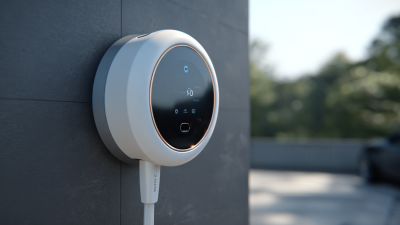
When choosing a home car charger for your electric vehicle (EV), smart features are a crucial consideration. Connectivity plays a significant role. Look for chargers that offer Wi-Fi or Bluetooth capabilities. This feature allows you to connect your charger to your smartphone. Having an app can make it easier to monitor your charging status in real-time. But not all applications are user-friendly, which can be frustrating.
Monitoring is another essential feature. A good smart charger should provide detailed insights into your charging patterns. Some models can track energy usage over time. However, the information may be overwhelming for some users. It's vital to find a balance between detailed analytics and simplicity.
Scheduling is worth noting, too. Many smart chargers allow you to set specific charging times. This can save on energy costs by utilizing off-peak hours. Yet, if improperly set, it may lead to missed opportunities for a full charge. Examine how scheduling functions before purchasing. Testing these features in real-life scenarios can reveal pitfalls and areas for improvement.
Cost Analysis: Installation Expenses and Returning Investment on Home Charging
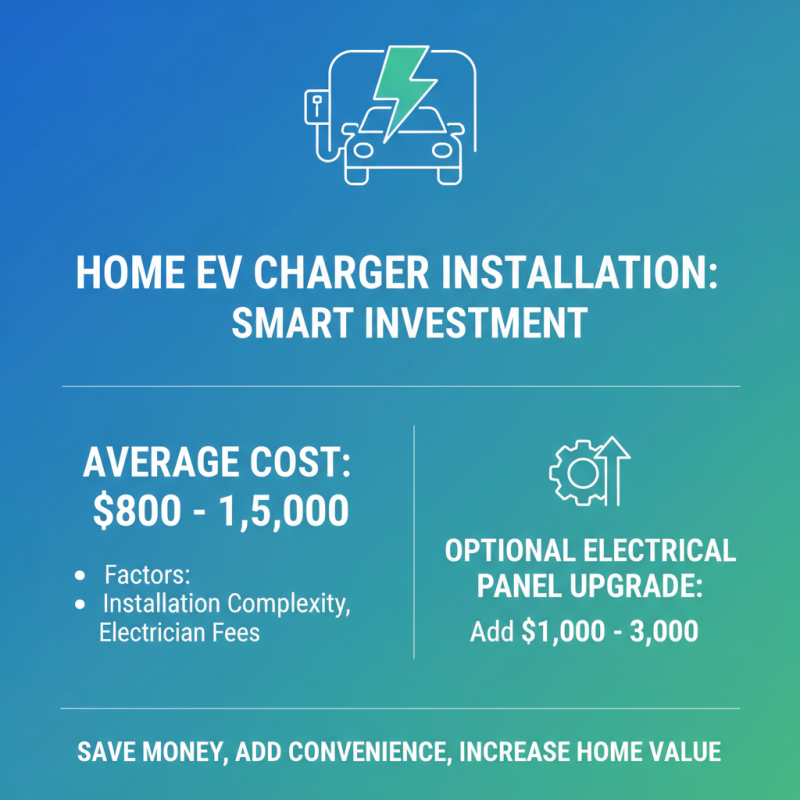
Installing a home car charger can be a smart investment for EV owners. The average cost of installation ranges from $800 to $1,500, depending on various factors. These include the complexity of the installation and the electrician's fees. Additionally, some homeowners may need to upgrade their electrical panel, which can add another $1,000 to $3,000.
Calculating the return on investment is crucial. According to the U.S. Department of Energy, charging an EV at home can save drivers about $800 annually compared to gasoline vehicles. This savings can offset installation costs over time. However, it’s essential to consider electricity rates in different regions. In areas with high electricity prices, the savings may diminish.
The environmental benefits are significant as well. Studies show that home charging often relies on cleaner energy sources. Yet, not every neighborhood has access to renewable energy. Some areas depend on fossil fuels for electricity, impacting the overall sustainability of home charging. Reflecting on these aspects can lead to more informed decisions.