How to Choose the Best EV Wall Charger for Your Needs?
Choosing the best EV wall charger can be daunting. With various brands and features available, it’s crucial to have the right guidance. John Smith, a leading expert in the EV charging industry, emphasizes, "Selecting a charger tailored to your vehicle's needs is essential for optimal performance."
When exploring options for an EV wall charger, consider power output, compatibility, and installation requirements. Not all chargers work for every vehicle, and a mismatch can lead to longer charging times or inefficiencies. It's important to evaluate your daily driving habits and charging needs.
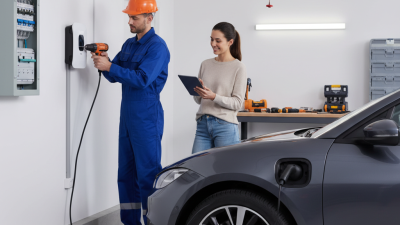
Installing the wrong model might not only waste time but could also result in higher costs. Experts recommend understanding your specific situation and consulting professionals when unsure. After all, an informed choice leads to a better EV experience. Reflecting on these aspects can ensure that you select an EV wall charger that suits your lifestyle and enhances your electric vehicle journey.
Understanding Your Electric Vehicle Charging Needs
When choosing an electric vehicle (EV) wall charger, understanding your charging needs is crucial. Data from the U.S. Department of Energy shows that the average EV owner drives about 37 miles daily. Thus, selecting a charger that meets daily driving habits is essential. A Level 2 charger generally provides 10 to 60 miles of range per hour, which is suitable for most users. If you primarily charge overnight, a Level 2 charger may suffice.
However, consider the battery size and charging speed of your vehicle. Larger batteries require more power to charge, which can affect your choice. A recent survey indicated that 73% of EV owners preferred a charger that delivered a full charge overnight. But, rapid charging is becoming increasingly necessary for longer trips. If you find yourself frequently needing a quick charge, examine the installation of a DC fast charger.
Installation location can also impact efficiency. Home garages often offer a more convenient setup than outdoor areas. Still, not every home can support a high-voltage circuit. Evaluating your home’s electrical system before purchasing can prevent unexpected costs. Furthermore, keep in mind that energy costs vary; having an energy-efficient charger may lead to savings over time. Choosing the right charger means weighing these factors carefully for the best fit.
Assessing Different Types of EV Wall Chargers
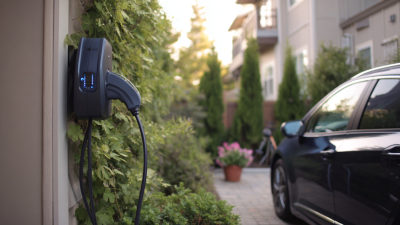
When selecting an EV wall charger, understanding the different types available can greatly influence your choice. Level 1 chargers are the most basic, utilizing a standard household outlet. They are slower but suitable for overnight charging. If you drive moderately, these chargers may suffice. However, if you need quicker charging, a Level 2 charger is the better option. It requires a dedicated circuit and significantly reduces charging time. This type is commonly installed in residential garages.
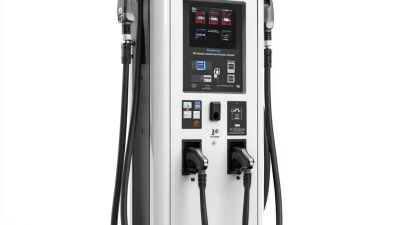
Another option is DC Fast Chargers. These are designed for rapid charging and are perfect for long trips. They are often found in public charging stations. However, installation at home can be complicated and costly. Consider how often and where you will charge your EV. Reflecting on your driving habits is crucial. Sometimes, the ideal choice may not be the most expensive or advanced option. Each type has advantages and limitations, and understanding them ensures you choose a charger that truly meets your needs.
Evaluating Charging Speed and Power Levels
When evaluating charging speed and power levels for your EV wall charger, consider your daily driving habits. If your travel distance is short, a lower power level may suffice. Charging overnight with a standard 240V outlet can easily restore your battery. However, longer daily commutes may require a more powerful charger for efficient charging.
Understanding the charging speed is crucial too. Level 1 chargers are slow, typically offering 2 to 5 miles of range per hour. In contrast, Level 2 chargers can provide 10 to 60 miles of range within the same timeframe. If time is a concern, investing in a Level 2 charger can be beneficial. Reflect on your routine to decide how frequently you’ll need to recharge.
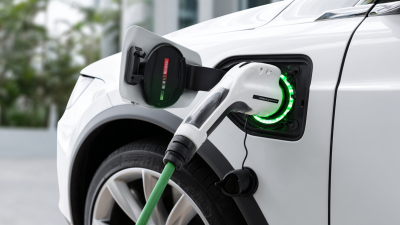
Moreover, compatibility with your vehicle is another point to ponder. Not all chargers suit every EV model. Factors like connection type and safety features also matter. Evaluate these details to ensure the charger meets your requirements. Remember, even minor inconsistencies in power supply can affect charging efficiency. Consider these aspects carefully to choose wisely.
Considering Installation and Space Requirements
When choosing an EV wall charger, installation and space requirements are crucial. Each charger has different installation needs. Some require significant power upgrades. This can involve hiring an electrician to assess your home's capacity. Always consider your garage or parking area size. Is there enough room for the charger and your vehicle?
Wall chargers vary in dimensions. If you have limited space, compact models are available. Ensure the charger placement is easily accessible. If it’s too high or too low, it may complicate docking. Additionally, think about cable length. A short cable may not reach your vehicle comfortably.
Installation can also be a challenge. Ensure that the charger is located near your electrical panel. This can minimize installation costs. Consider future needs, too. Will you buy another electric vehicle? Anticipating changes can save you time and hassle later. A little planning goes a long way toward a functional setup.
How to Choose the Best EV Wall Charger for Your Needs? - Considering Installation and Space Requirements
| Charger Type |
Power Output (kW) |
Installation Type |
Space Requirements |
Typical Charging Time |
| Level 1 Charger |
1.4 - 2.4 |
Standard Outlet |
Minimal Space |
8-20 hours |
| Level 2 Charger |
3.3 - 22 |
Professional Installation |
Moderate Space |
4-8 hours |
| DC Fast Charger |
24 - 350 |
Professional Installation |
Requires Significant Space |
20-30 minutes |
| Smart Charger |
7.2 - 10 |
Professional Installation |
Moderate Space |
4-6 hours |
Researching Cost and Warranty Options for EV Chargers
When choosing an EV wall charger, considering cost and warranty options is essential. Initially, assess your budget. EV chargers can range from a few hundred to thousands of dollars. A higher upfront cost may offer advanced features and faster charging times, but it’s crucial to evaluate your actual needs.
Warranty terms vary by manufacturer. Commonly, warranties last from one to five years. A longer warranty can provide peace of mind and ensures coverage for potential issues. Review the warranty details carefully. Look for options that cover parts and labor. Some manufacturers offer extended warranties for an additional fee.
Tips: Always read customer reviews on the durability of the charger. An average lifespan can give insights into reliability. Also, check if local installations are included in the purchase. This can save unexpected expenses. Finally, budget for any additional installation costs, which can significantly affect the total investment.