Best Home Fast Chargers for Your Devices in 2026
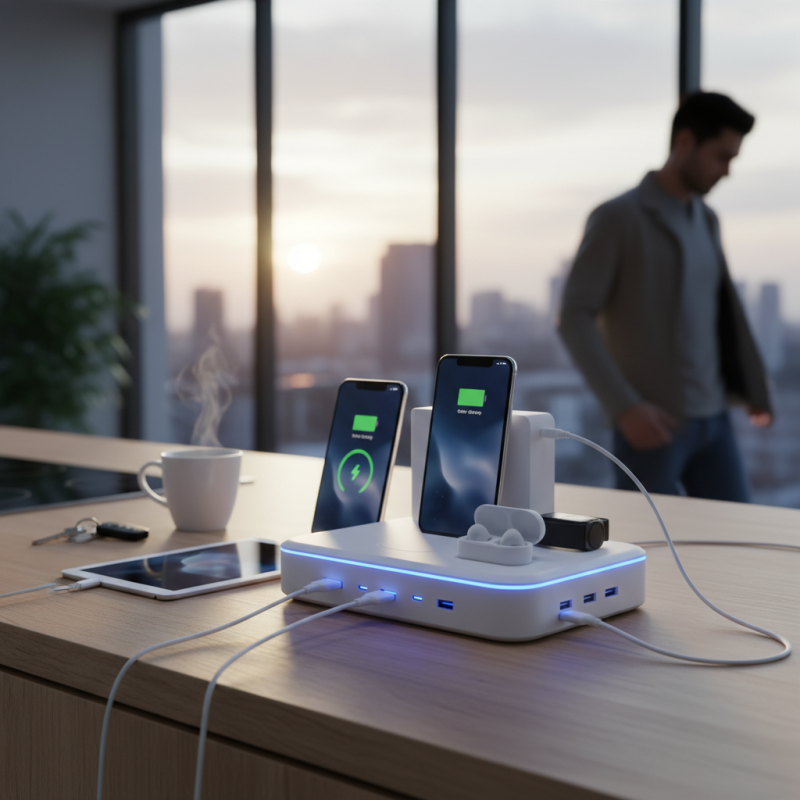
In today's fast-paced world, having a reliable Home Fast Charger is essential. Your devices need power quickly, and the right charger can make a significant difference. Imagine rushing out the door, only to realize your smartphone is nearly dead. A quality fast charger can provide hours of usage in mere minutes, alleviating that stress.
Choosing a home fast charger isn't always straightforward. There are numerous options available, and not all are created equal. Some chargers promise speed but falter in safety or compatibility. It’s crucial to assess your needs carefully. Factors like wattage, plug types, and safety features should guide your decision.
Ultimately, a home fast charger should enhance your daily routine. Yet, many people overlook its importance. Reflect on your charging habits. Are you making the best choice? Investing in a solid charger can save you time and frustration in the long run.
Top Features to Consider in Home Fast Chargers for 2026
When selecting home fast chargers in 2026, several top features should guide your decision. One critical aspect is charging speed. Reports indicate that fast chargers can deliver power up to 100W, significantly reducing charging times for various devices. However, the effectiveness largely depends on compatibility. Not all devices can handle this output, so checking specifications is essential.
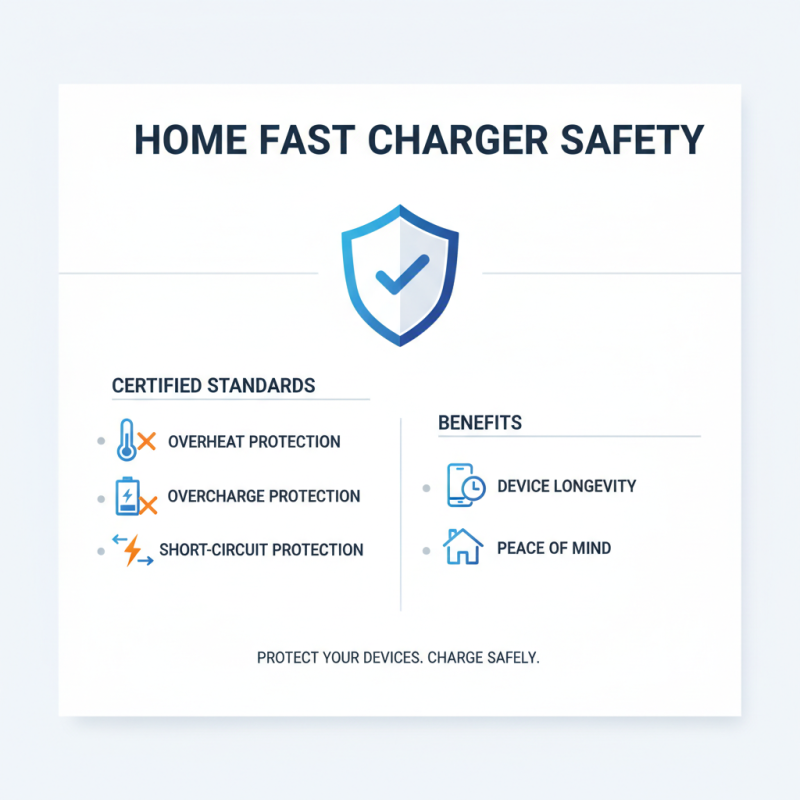
Another feature to consider is safety measures. A reputable battery services report found that over 30% of device failures stem from inadequate charging safety. Look for chargers with built-in protections against overcharging, overheating, and short circuits. These additional safeguards can prolong the life of your devices.
Tip: Always use chargers that match your device's power requirements. Mismatched chargers may lead to slower charging times or, worse, may damage the device.
In the realm of design, compactness is becoming increasingly important. Many users prefer chargers that are portable yet powerful. However, do not overlook the material quality. Over time, cheaper materials may lead to wear and tear, affecting performance. Investing in a robust charger may offer better long-term value.
Tip: Read user reviews about durability and performance before purchasing. This can provide valuable insights and help avoid common pitfalls.
Popular Fast Charger Brands and Their Innovations in 2026
In 2026, the fast charger market has seen several exciting innovations. Manufacturers are focusing on improved efficiency and reduced charging times. Many of these chargers now support multiple devices, which enhances convenience for users. The designs are sleeker, often incorporating sustainable materials. This is an important shift towards reducing environmental impact.
Some brands are experimenting with wireless technology, offering convenient options for those who despise tangled cords. These wireless chargers can power devices quickly, yet they have limitations. Users may find that positioning is key; not all placements yield optimal charging speeds. Some models struggle with compatibility, leading to frustrations.
Another trend is enhanced safety features. Smart chips in chargers can prevent overheating and overcharging. However, these advancements aren't without flaws. Occasionally, even smart chargers can malfunction or display misleading indicators. Consumers should remain cautious. Overall, the landscape is evolving, but challenges still exist as brands strive to balance innovation with practicality.
Comparative Analysis of Charging Speeds and Efficiency
When it comes to fast charging, speed and efficiency are key. In 2026, many home chargers feature advanced technology. These devices can deliver significant power rapidly. However, not all chargers are created equal. Performance can vary based on design and capabilities.
Charging speeds depend on several factors. The charger’s wattage plays a crucial role. A higher wattage usually means faster charging times. Also, the length and quality of the cable matter. A thick, high-quality cable may allow faster power transfer. Still, users often overlook these details.
Tip: Always check compatibility. Some devices may not support the fastest speeds.
Efficiency is another critical aspect. A fast charger should not only charge quickly but also maintain battery health. Some chargers heat up during use. This indicates inefficiency and could harm the battery over time. It’s essential to monitor performance. If a charger frequently overheats, reconsider its use.
Tip: Try to avoid using your device while charging. This can slow down the charging process.
Exploring the market can be overwhelming. There are so many options available. Not every charger will meet your needs perfectly. Testing different models can offer insights. Consider user reviews and real-world results to guide your choice.
Safety Standards and Certifications for Home Fast Chargers
When choosing fast chargers for home use, safety is paramount. Various safety standards govern how these devices operate. Look for chargers that have been certified to meet recognized standards. These certifications often include protection against overheating, overcharging, and short-circuiting. Your device’s longevity relies on safe charging practices.
Certification labels can be found on the packaging or the charger itself. Users should familiarize themselves with these indicators. Even with certifications, some low-quality products may slip through the cracks. It's crucial to inspect your chargers regularly for physical damage. A worn-out charger can become a safety hazard.
The landscape of fast charging technology evolves rapidly. Current safety standards can become outdated, leaving room for potential risks. Stay informed about the latest developments in charger technology and safety standards. Relying solely on past certifications may not always guarantee safety now. Always be cautious and prioritize devices that offer robust safety features.
User Reviews and Recommendations for the Best Fast Chargers
With the continuous rise of smart devices, fast chargers have become a necessity. User reviews show a growing preference for chargers that minimize downtime. According to recent industry reports, about 70% of consumers prioritize charging speed over other features. Many users appreciate chargers that deliver around 30W to 65W for effective charging across multiple devices.
However, not every fast charger lives up to expectations. Some users report overheating issues during prolonged use. This can be concerning, especially for devices that require a stable power supply. A survey indicated that nearly 30% of users had experienced overheating problems with specific models. Furthermore, the durability of cables is often overlooked. Many chargers come with flimsy cords that wear out quickly, leading to frustration.
Consumers also note the varying compatibility of fast chargers. While some work seamlessly across different brands, others do not. Around 20% of users have expressed disappointment when chargers failed to deliver expected performance with certain models. This inconsistency can diminish the user experience, highlighting the need for more reliable options in the market.
Best Home Fast Chargers for Your Devices in 2026